With Help From Mayor Quan, Oaklavia Returns With a Bang

Photo: Frank Chan/Flickr
When Walk Oakland Bike Oakland hosted the city’s first Ciclovia-style event in downtown Oakland in 2010, onerous city fees meant plans for a second Oaklavia that year proved too ambitious for the small organization. “We thought we wouldn’t be able to do it again,” said Jonathan Bair, WOBO’s Board President.
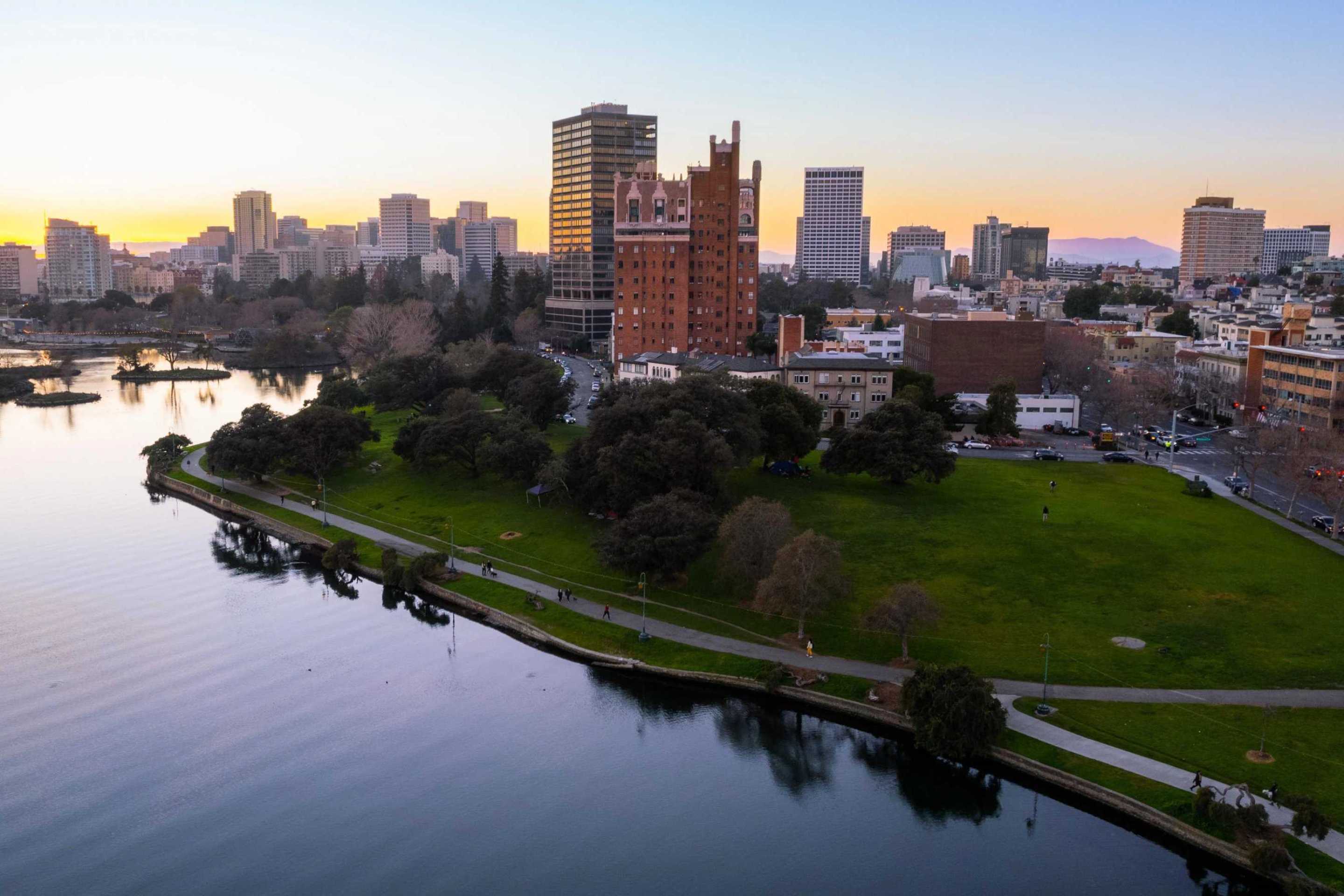
Three years later, the city brought Oaklavia back, closing the streets around Lake Merritt to cars yesterday and opening them up for people. This time, organizers estimate 10,000 to 15,000 people turned out, compared to the 4,000 at the 2010 event.
Key to the event’s success this year, advocates said, was the newfound support from Oakland Mayor Jean Quan. Since she took office in 2011, Quan has championed open streets events as well recently-completed renovations at Lake Merritt. To celebrate the lake improvements, yesterday’s Oaklavia was tied with a festival called Love Our Lake Day.
“This was the transformative moment for Oakland,” said East Bay Bicycle Coalition Executive Director Renee Rivera, who invited Quan to visit Sunday Streets in the Mission in June of 2012. ”Mayor Quan came back from that event with a clear understanding of why Sunday Streets would be great for Oakland and an appreciation for the work and investment it takes to make it happen,” she said.
Quan told Streetsblog that Oaklavia “is part of my overall economic development plan,” and promised another Oaklavia in Fruitvale this fall. “I want to do these bicycle/walking events in different parts of the city and introduce people to different neighborhoods,” she said.
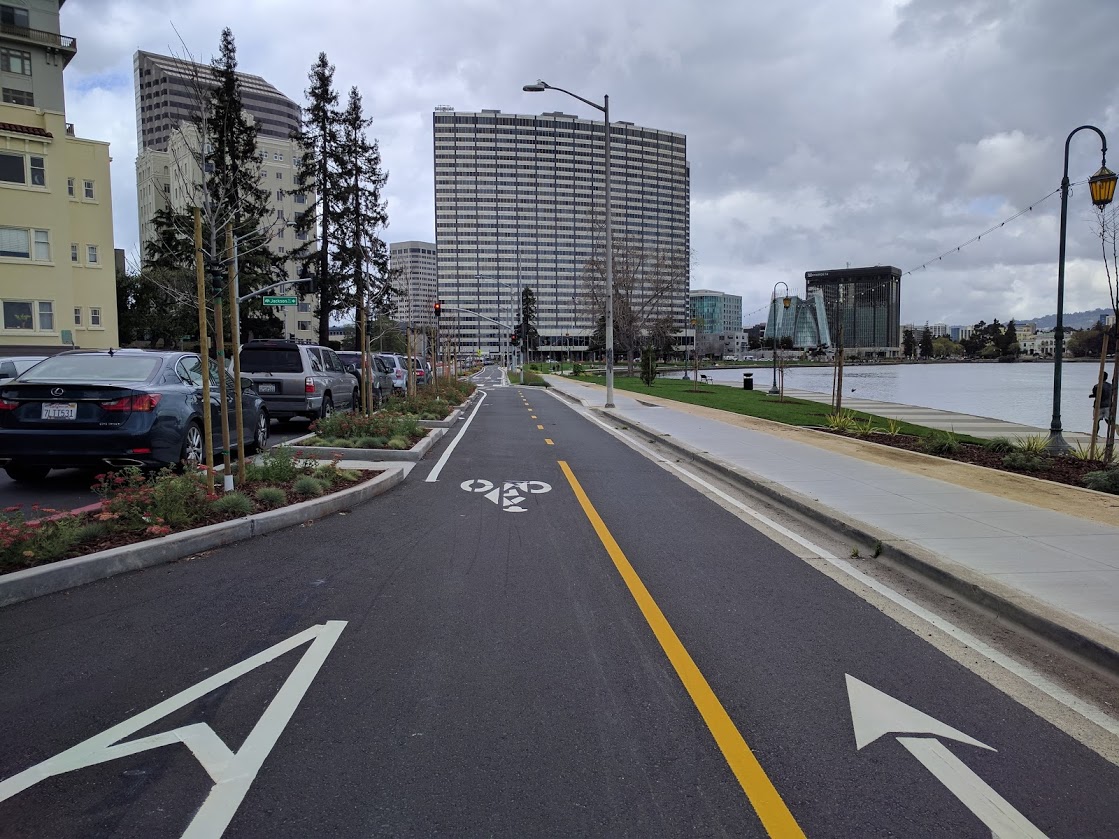
On the wide streets circling Lake Merritt, yesterday’s Oaklavia seemed akin to the Sunday Streets events held in San Francisco’s Golden Gate Park. Walkers mostly chose to stroll on the new pathway near the water, while the roads provided lots of room for bicyclists to move freely. The route was longer than that of the first Oaklavia — 3.3 miles vs. 2.4 miles – and acres of adjacent grassy areas and pathways gave room for people to spread out.
Skaters, bicyclists, and walkers came from Chinatown, East Oakland, and Grand Lake, and from as far as San Francisco and San Mateo. But the ethnic diversity on the streets gave the event a definitively Oakland feel.
If there was any shortcoming, it was the fact that only one side of the roadway was closed to traffic, which may have kept some people on the sidewalk, said WOBO board member Chris Hwang. “To not have [the street] fully closed is a shame,” she said.