Skip to Content
Log In
Menu
Search
Search
About Us
Contact Streetsblog SF
Our Funders
Comment Moderation Policy
Streetsblog San Francisco Editorial Independence Policy
Donor Transparency Policy
Log In
Streetsblog San Francisco Facebook
Streetsblog San Francisco X (formerly Twitter)
USA
NYC
MASS
LA
CHI
SF
CAL
Thanks to our advertising sponsor -
Transportation for America
Streetsblog USA
Promoted
Eclipse Special: Bad Moon Rising for Transit Users Who Want to See the Show
April 4, 2024
Streetsblog USA
Promoted
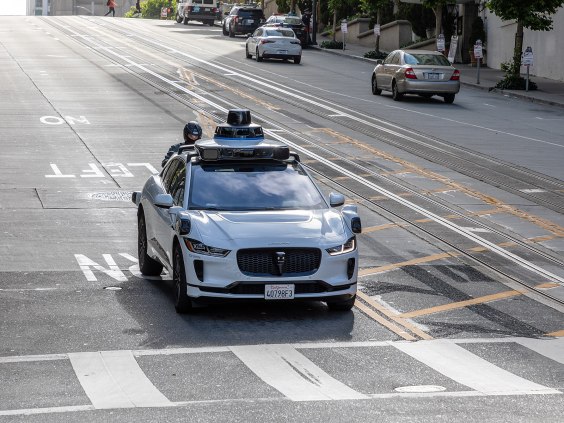
AVs Aren’t Solving our Transportation Problems; They’re Automating Them
September 6, 2023
Streetsblog USA
Promoted
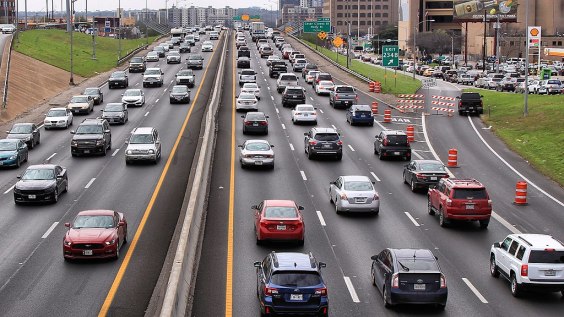
Study: Two-Thirds of Americans Know Highway Expansions Don’t Cure Traffic
June 29, 2023
Streetsblog USA
Federal Highway Administration
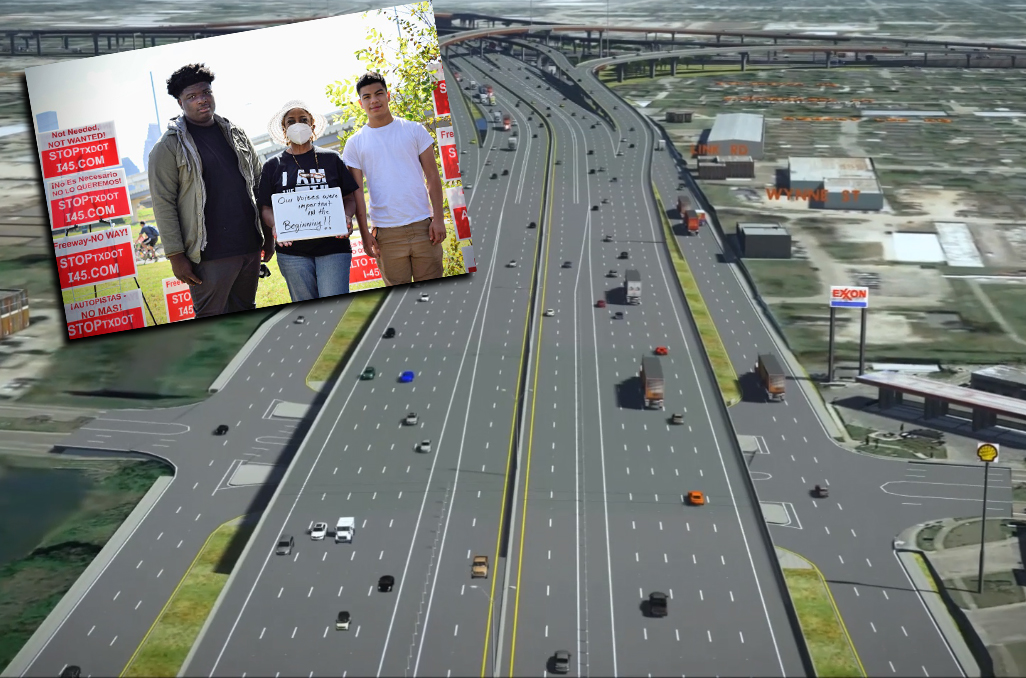
‘Secretary Pete Can’t Save You’: FHWA OKs Houston Highway Expansion After Pause
March 15, 2023
Pedestrian Infrastructure
How Seniors Get Stuck at Home With No Transit Options
Tanya Snyder
June 14, 2011
Pedestrian Infrastructure
The Dangerous Design of San Francisco’s High-Speed “Arterial” Streets
Aaron Bialick
May 24, 2011
Bicycle Commuting
East Bay Regional Parks Gets $10 Million TIGER Grant for Bike and Ped Trails
Bryan Goebel
October 20, 2010
Buses
Feds Announce Winners of $293 Million in Transit Grants
Ben Fried
July 8, 2010