The Trouble With RoboCars: “You Can’t Optimize People So Easily”

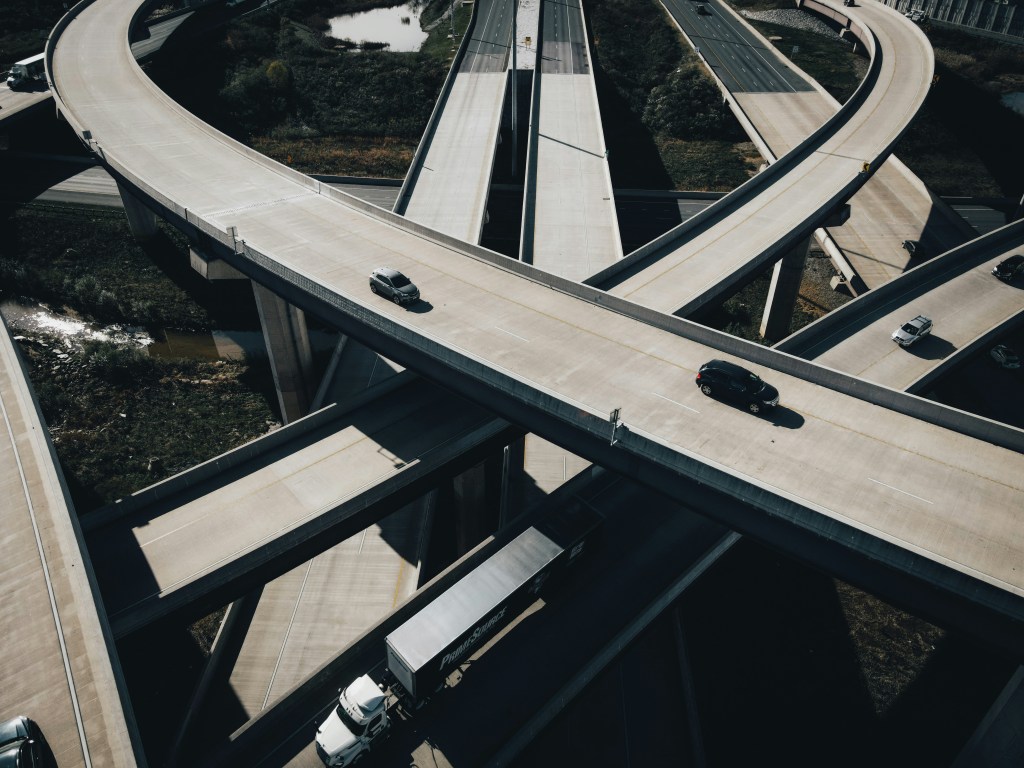
Driverless cars sound like something out of a science fiction novel. But believe it or not, Google prototypes are already here, cruising the streets of California. And computer engineers are devising intersections optimized for driverless cars, which Streetsblog NYC featured last week.
Optimists are excited about the technology’s potential to reduce the bloodshed that results from human error. But many observers, including Emily Badger at Atlantic Cities and Tom Vanderbilt in Wired, have cautioned about the potential that driverless cars will further entrench the privilege of motorists over all other classes of road users.
David Alpert at Greater Greater Washington says this may be an idea that works better in theory than in practice:
Driverless cars provide an opportunity to optimize the real-world traffic system, if you can get most people driving computer-controlled cars and can get all of those computers to cooperate.
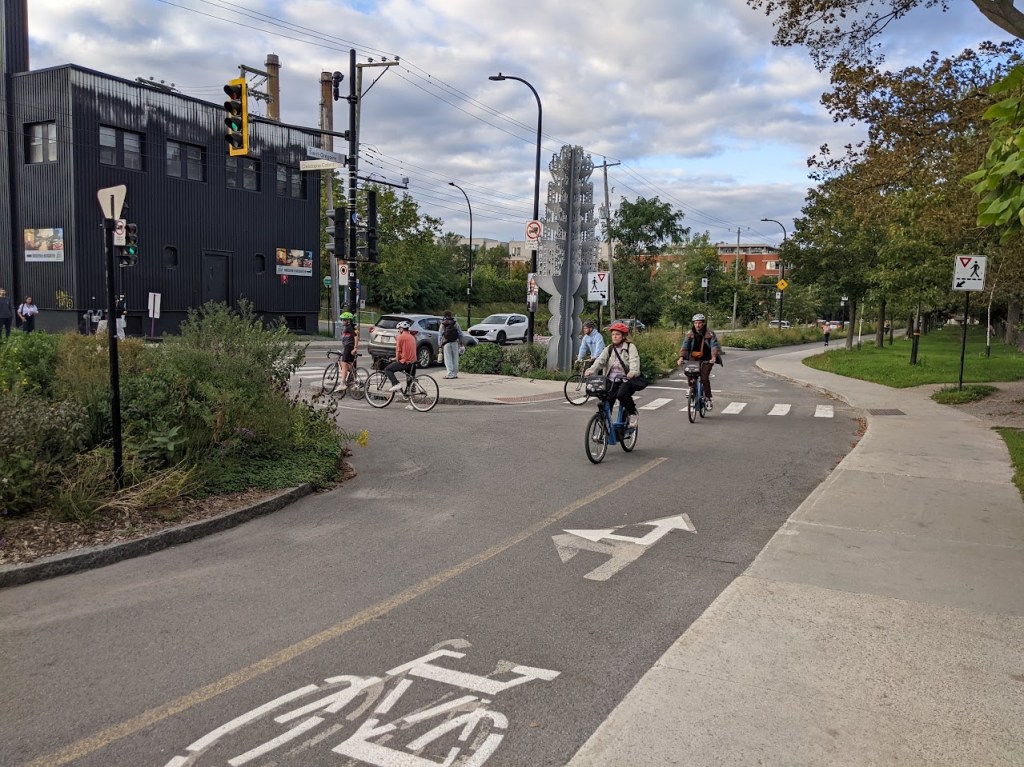
But you can’t optimize people so easily. Already, cities host ongoing and raucous debates over the role of cars versus people on their streets. For over 50 years, traffic engineers with the same dreams about optimizing whizzing cars have designed and redesigned intersections to move more and more vehicles.
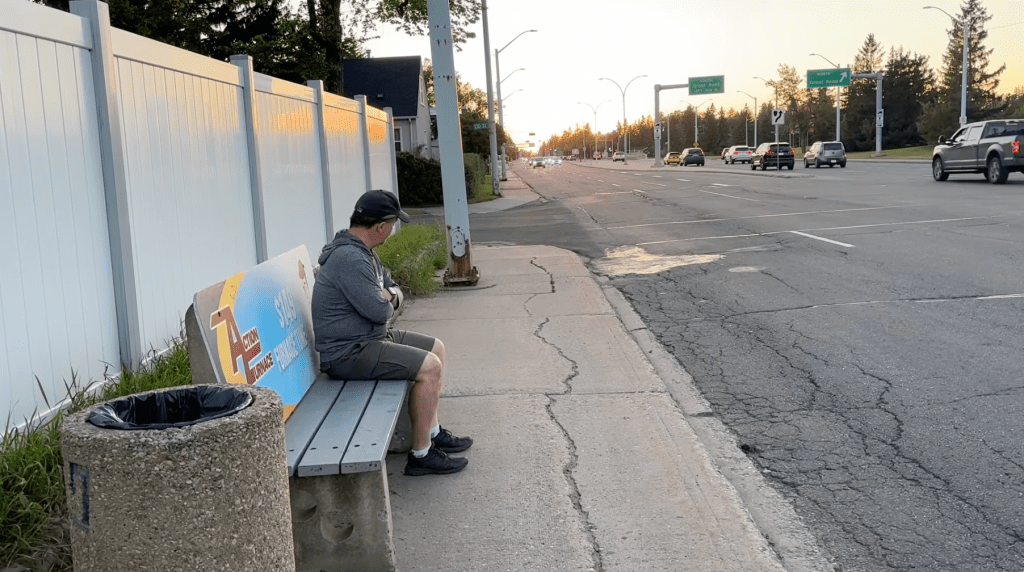
These changes frequently pushed other users aside with longer waits for crosswalks, the need to push buttons to get a walk signal, awkward bridges over wider and wider arterials, or simply omitting bike or pedestrian facilities entirely and then blaming those users when careless drivers hit and kill them.
Some pro-automotive advocacy groups like to push the theme of a “war on cars,” but bicyclists and pedestrians feel like there’s been a war against them since the early 20th century. This Texas team’s video just perpetuates that impression.
Elsewhere on the Network today: Stop and Move marvels at the city of Fresno’s wasteful use of funds dedicated for air pollution reduction. And Bike Lane Living offers a range of perspectives on bicycling as presented in television commercials.

Read More:
Streetsblog has migrated to a new comment system. New commenters can register directly in the comments section of any article. Returning commenters: your previous comments and display name have been preserved, but you'll need to reclaim your account by clicking "Forgot your password?" on the sign-in form, entering your email, and following the verification link to set a new password — this is required because passwords could not be carried over during the migration. For questions, contact tips@streetsblog.org.