NY and CA: How Did They Spend Transportation Stimulus Money?

In an economic recovery report released
today by New York Gov. David Paterson (D), the state broke down its
plans for the estimated $31 billion it received as part of the Obama
administration’s first stimulus law.
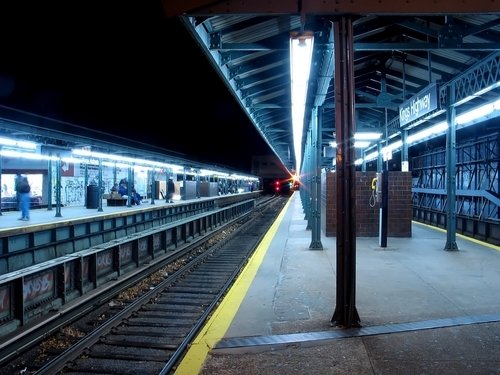
 New York spent more than half of its transport stimulus money on transit. (Photo: PlanetWare)
A chart of
New York’s stimulus spending shows that, out of a total of $2.4 billion
in expected transportation aid, the state plans to direct $1.12 billion
to highways and bridges and $1.22 to transit.
With the federal government still dividing
its transport funding along an 80-20 split that favors roads, New
York’s decision to spend $100 million more stimulus aid on transit
represents a welcome break from tradition. In California,
where San Francisco and Los Angeles maintain large transit networks,
roads received slightly more than double the amount of stimulus aid
going to rail and buses.
Directly comparing New York and
California’s transportation funding choices would be the epitome of the
old idiom about apples and oranges. But as the congressional jobs
debate sharpens its focus on infrastructure projects, it’s worth noting that the roads-transit split is only one chapter in a bigger story.
A federal “fix-it-first” mandate, which environmental groups and transportation reformers are urging
Congress to include in the new jobs bill, would help break down the
cultural divide between different transport modes by ensuring that
repairs of existing infrastructure come first. After all, crumbling and
pothole-ridden roads affect pedestrians, cyclists, and drivers alike.
California, incidentally, lacks a “fix-it-first” requirement despite ranking 49th out of 50 states in recent rankings of nationwide road quality.

Streetsblog has migrated to a new comment system. New commenters can register directly in the comments section of any article. Returning commenters: your previous comments and display name have been preserved, but you'll need to reclaim your account by clicking "Forgot your password?" on the sign-in form, entering your email, and following the verification link to set a new password — this is required because passwords could not be carried over during the migration. For questions, contact tips@streetsblog.org.