Former US DOT Bosses Call for Mileage Tax and Congestion Fees

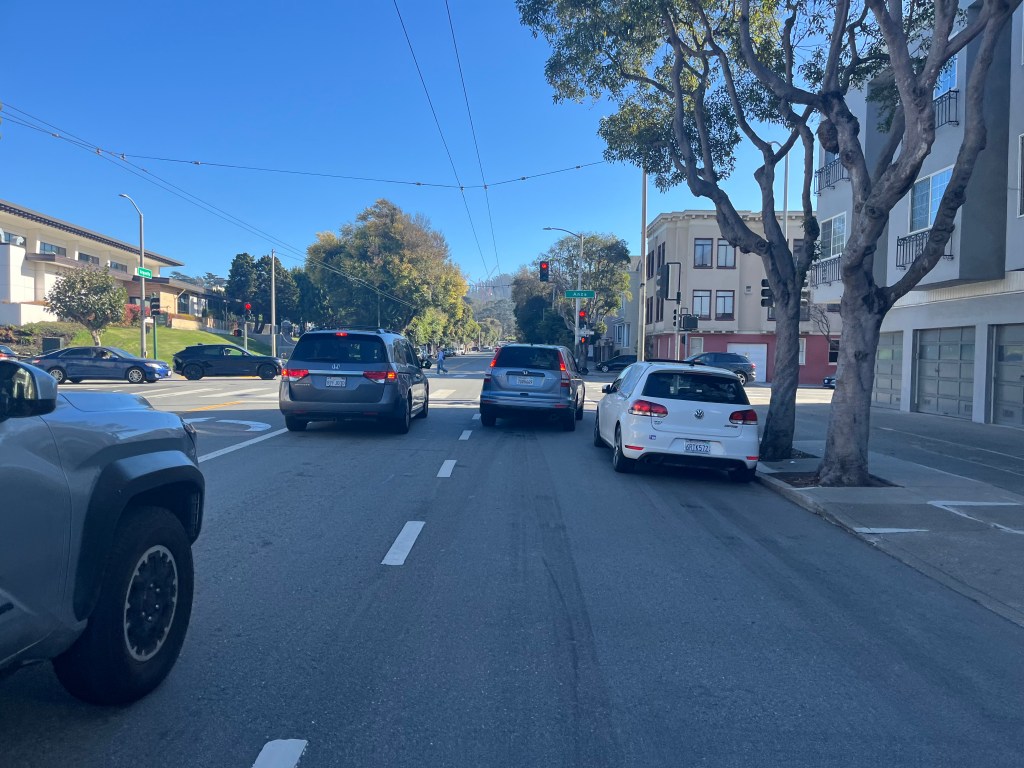
Bottlenecks cripple our productivity, and transitioning among modes of transportation remains a convoluted and inefficient process nationwide, with some major cities being the few exceptions. Concerns about the environmental impact of these inefficiencies further highlight the need for systems that offer quick, interconnected and efficient means for transportation.

The message today from two Republican-appointed former Secretaries of Transportation sounds a lot like the language you hear from reform groups advocating for an overhaul of federal transportation policy.
Norman Mineta and Samuel Skinner co-chaired a conference at the University of Virginia’s Miller Center of Public Affairs last fall. The report from that conference, issued yesterday, offers some recommendations for moving national transportation policy [PDF].
The conference report tackles the most pressing question facing the nation’s transportation system today: how to pay for much-needed maintenance and improvements. The authors are in favor of switching from a gas tax to a fee levied on vehicle miles traveled. They say technology exists to ease privacy concerns, and they want to see a VMT fee that charges more for travel during peak hours.
They also echoed the sentiments of many reformers who want to get beyond spending on shovel-ready projects, which tends to favor highways, and start choosing projects strategically. The Miller Center report applauds the potential of transportation infrastructure to provide short-term jobs, but says:
Future stimulus spending should be directed to those transportation projects that will deliver the greatest returns in terms of future U.S. competitiveness, economic growth, and jobs. Building a foundation for sustained prosperity and long-term job creation is more important than boosting short-term employment in road construction.
The authors also encourage a new way of thinking about building infrastructure: that it’s truly an investment, not an expenditure. With investments, the money comes back — and “the Office of Management and Budget (OMB) should score the anticipated return on investment when it evaluates transportation spending proposals.” The report acknowledges that this is a small step, “but it would allow the government to begin evaluating projects based on their long-term benefits and to prioritize those projects that deliver the largest future returns.”
Transportation reformers looking to create a more equitable, sustainable and economically competitive system have explained that much depends on how the government would score transportation spending. As NYC DOT Commissioner Janette Sadik Khan noted at a conference last fall, a highway expansion will look like a good investment if you measure its performance when traffic is still flowing smoothly, and a poor one if you measure after more drivers have been enticed to use the road, tying up traffic again.

Read More:
Streetsblog has migrated to a new comment system. New commenters can register directly in the comments section of any article. Returning commenters: your previous comments and display name have been preserved, but you'll need to reclaim your account by clicking "Forgot your password?" on the sign-in form, entering your email, and following the verification link to set a new password — this is required because passwords could not be carried over during the migration. For questions, contact tips@streetsblog.org.