CA Voters Reject Measures With Lots of Highway Money and a Dash of Transit


On Tuesday night, voters approved major transit improvement plans in Los Angeles, the Bay Area, Atlanta, Indianapolis, Raleigh, and Seattle.
There were other types of transportation measures on local ballots — they focused on highway expansion and lumped in transit funding as a secondary consideration. TransitCenter reports that in California, highway-centric packages didn’t have the same appeal as transit-focused ballot measures:
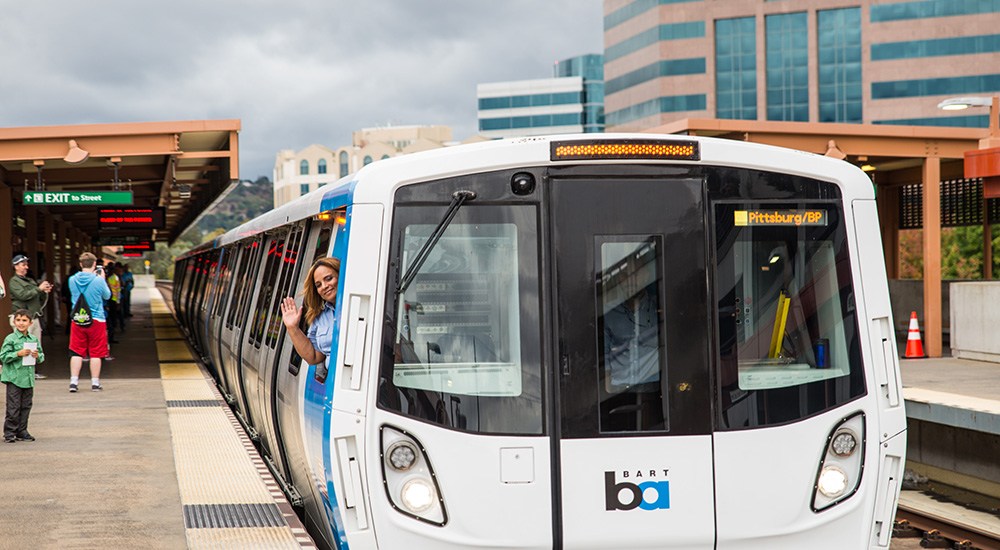
Consider California. While Measure M (the huge Los Angeles transit plan which does include a few highway projects) and Measure RR, the BART repair/maintenance measure received thumbs up from voters by strong margins, transit funding in Sacramento and San Diego was shot down in the polls. In both regions, the transit projects were tacked onto measures promising big bucks for highways.
San Diego
San Diego County’s Measure A was rejected 56-44, well short of two-thirds approval. The sales tax increase would have funded a proposal by regional planning organization SANDAG, with 41% of $18 billion slated for transit. Enviros, transit supporters and the city of San Diego opposed the highway emphasis, and are now calling for an overhaul of SANDAG itself.
Sacramento
Sacramento County’s Measure B saw a closer vote, needing two-thirds but netting just 65%. The proposal would have raised $3.8 billion, with only 25% the measure dedicated to transit. The rest would have gone to road maintenance and expanding the Capital Connector Freeway. The measures was supported by planners, city governments and the county, but the road projects and the challenges Sacramento has faced in deploying transit service that is useful to people may have reduced enthusiasm and momentum for transit.
We should note that Charleston, South Carolina, voters did approve a half-cent sales tax raising $2.1 billion, with more than half the revenue earmarked for highways, but also providing $600 million for transit and $200 million for parks.
Elsewhere on the Network today: The Urbanist reports that the city of Seattle has officially lowered speed limits on its residential streets to 20 mph. Architect this City talks about living in a “bubble” and the cultural divide that help produce Donald Trump. And Bike Portland shoots down the idea that freight traffic would somehow necessitate 19-foot traffic lanes on an important local bridge for biking.

Read More:
Streetsblog has migrated to a new comment system. New commenters can register directly in the comments section of any article. Returning commenters: your previous comments and display name have been preserved, but you'll need to reclaim your account by clicking "Forgot your password?" on the sign-in form, entering your email, and following the verification link to set a new password — this is required because passwords could not be carried over during the migration. For questions, contact tips@streetsblog.org.