Op-Ed: Summer in Berlin Changes Perspective on Cars
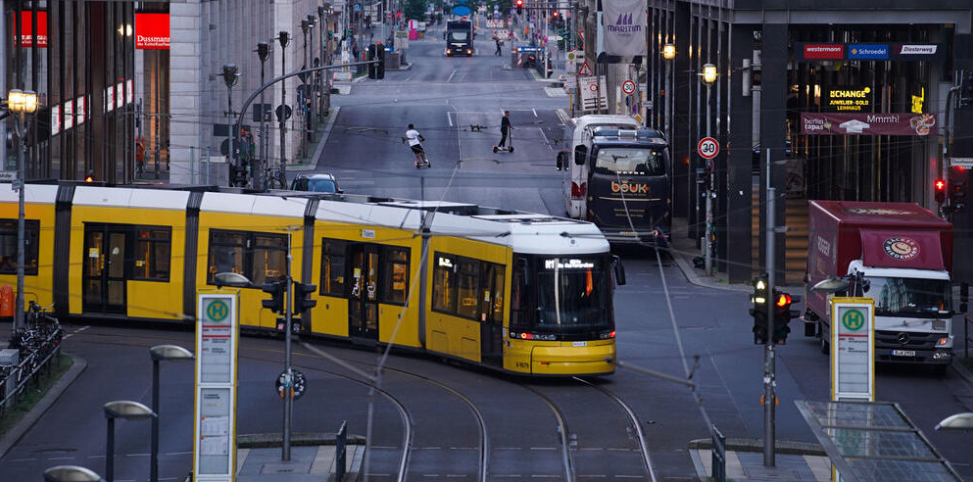
Last summer, I traveled to Berlin for a study abroad program. I intended to learn about the city’s communication efforts to continue cultural memory. Little did I know I was about to get a crash course in public transit, a lesson that didn’t fully set in until I got back home. Upon my return to California, I was initially overjoyed to be out and about, but that was until I realized that to go anywhere in my city, I would need to take my car. By contrast, the tram in Germany, not even a minute away from my hostel, could take me to a nearby coffee shop, a park, and a nearby grocery store.
My car now seemed more like an obstacle than an asset. The studies are clear: public transit benefits a city’s economy, creates community space, and cuts down on millions of metric tons of carbon dioxide. In addition, it offers a mode of transit that is broadly accessible, regardless of socioeconomic status and able-bodiedness, creating an equitable solution to a manufactured issue. We need an attitude shift in America, one that goes against the individualism perpetuated in our society, and understands that protecting the environment is an investment in people and not a financial strain. United States residents need to realize that a car is as much a burden as a convenience.
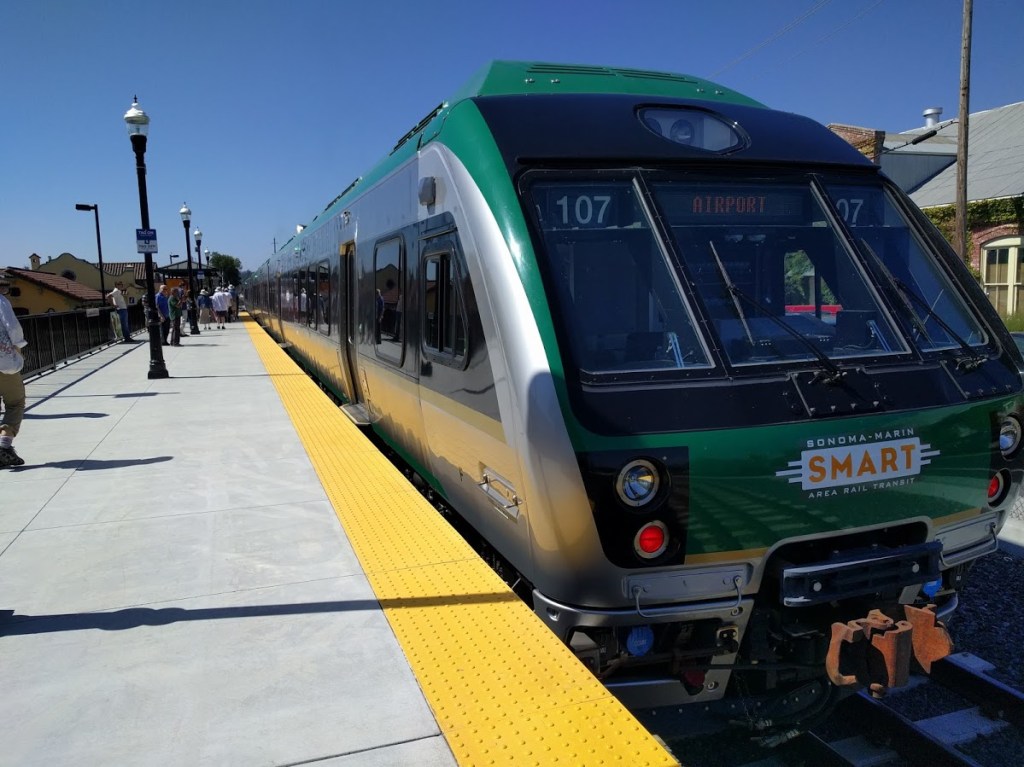
A common argument against public transit is that it is expensive to install and maintain. This apprehension towards rail in California is compounded by the fact that our high-speed rail project is nowhere close to completion and has cost way more than previously promised. However, though high-speed rail may not have fulfilled its initial promise, this does not mean public transit is a lost cause in California. In the Bay, especially, the benefit of railroads has been a good case study for the rest of the state and country. And we do not necessarily need to build new rails, but can often just restore and improve old ones.
Certainly, we don’t need driverless vehicles pushed onto us by billionaires and their corporations; we can’t just “tech” our way out of global warming. In building a renewable future, we need to look towards the past. UC Berkeley News found that the now-electrified Caltrain has already cut 89 percent of carcinogenic black carbon, as well as producing less noise than its diesel counterparts. Next time the Super Bowl brings a great halftime show to San Jose, even fewer people will choose to drive.
Another real concern that drives people away from public transit is safety and cleanliness. Why expose yourself to the perceived risks of public transit when your sedan has a steel safety bubble? However, investing in public transit decreases this perception. Taking the S-Bahn in Berlin, I felt entirely safe; it was regularly cleaned and always full. Shared commitment and responsibility have the ability to transform our attitude of public transit as a less luxurious option, to a shared community place. If driving in a car severely increases the chances of getting hurt or killed in a crash, and pollution increases our chances of getting killed too, how is the car a more convenient or safe option?
As fuel prices rise, the clear inconveniences of cars may become more apparent. The day when people can once again take a train from Saratoga or Santa Cruz to San Francisco would be the day that I would sell my car. As global temperatures rise, we should look to Germany and draw on past solutions to address modern issues.
***
Kyle Kayhan is a sociology and communication studies student at San Jose State University
Streetsblog has migrated to a new comment system. New commenters can register directly in the comments section of any article. Returning commenters: your previous comments and display name have been preserved, but you'll need to reclaim your account by clicking "Forgot your password?" on the sign-in form, entering your email, and following the verification link to set a new password — this is required because passwords could not be carried over during the migration. For questions, contact tips@streetsblog.org.