Minneapolis Just Banned Drive-Throughs

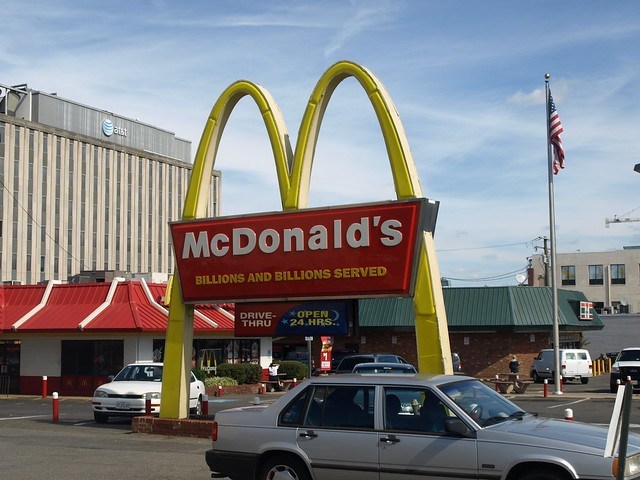
The Minneapolis City Council has banned drive-throughs — a move proponents say will make roadways safer and make the air cleaner.
Drive-through windows, such as those at fast-food joints or (ironically) liquor stores — are not that widespread in the Paris of the High Plains, according to the local news site Wedge Live. And even though existing drive-throughs will be grandfathered in, the zoning reform could still have important safety implications.
Research has shown that areas around fast-food restaurants are especially dangerous for pedestrians because drive-throughs require more driveways, which introduce potential points of conflict. Plus, drivers tend to be distracted just before they have ordered their food — and in the moments when they start driving away with it.
A Florida study found that each fast-food restaurant in a low-income block added an average of 0.69 pedestrian crashes every four years. McDonald’s, Wendy’s, Taco Bell were all associated with a greater risk of severe injuries.
The Minneapolis council said the measure would improve air quality by reducing idling, incrementally helping the city comply with its goal of reducing greenhouse-gas emissions by 80 percent by 2050.
The measure is part of a series of progressive improvements contained in the Minneapolis 2040 plan which also did away with minimum-parking requirements and single-family zoning citywide. The city also plans to phase out gas stations.

Read More:
Streetsblog has migrated to a new comment system. New commenters can register directly in the comments section of any article. Returning commenters: your previous comments and display name have been preserved, but you'll need to reclaim your account by clicking "Forgot your password?" on the sign-in form, entering your email, and following the verification link to set a new password — this is required because passwords could not be carried over during the migration. For questions, contact tips@streetsblog.org.