S.F. Advocates Mark One Year of Speed Cameras

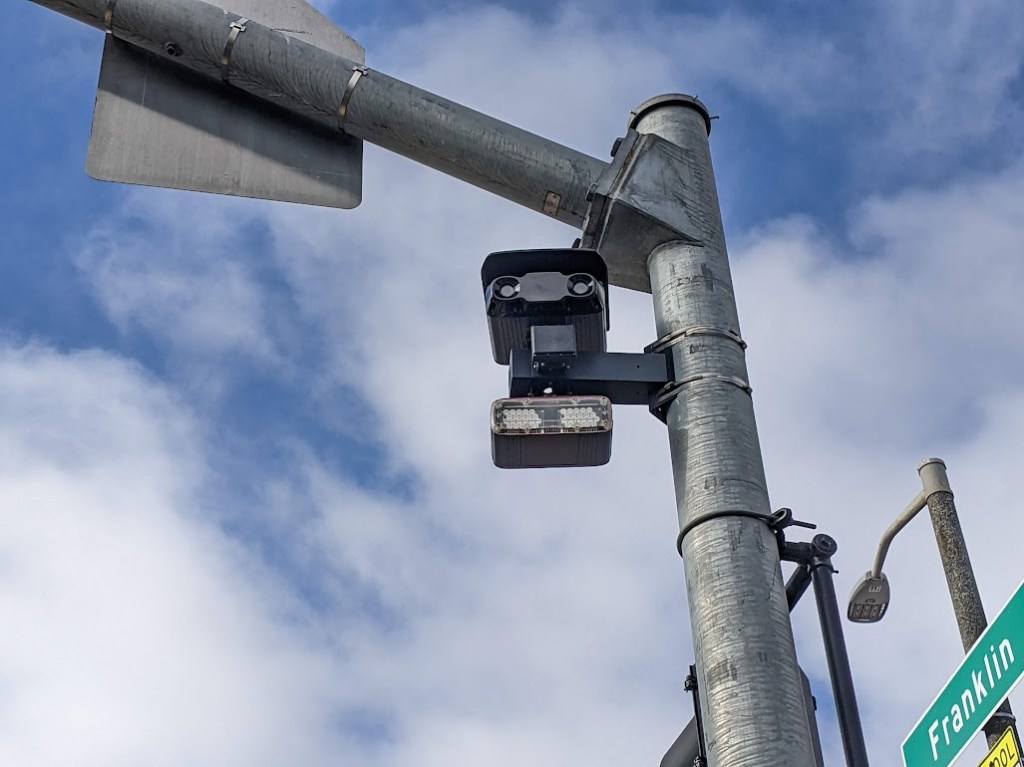
A year has passed since San Francisco rolled out its speed camera program. And, as reported by Mayor Daniel Lurie’s office, the data shows an 80 percent decline in speeding, at least in the 33 locations where the cameras are installed. The city began issuing fines, as opposed to warnings, in August.
More from SFMTA:
The majority of speed cameras are located near schools, senior centers, health or social service facilities, parks, libraries, and community spaces—ensuring that safety improvements serve the most vulnerable road users. The camera on Columbus Avenue—next to North Beach Branch Library and Joe DiMaggio Playground Park, where Mayor Lurie launched the speed camera program in March 2025—saw the biggest decrease in the city with a 98% drop in speed incidents.
The share of drivers traveling 10 mph or more above the speed limit has dropped by almost 80% at camera locations, compared with before the cameras were installed.
That change in driver behavior corresponds to 40,000 fewer instances of dangerous speeding every day.
Of drivers who receive a citation, 65% did not receive a second one, suggesting significant behavior change among drivers. The data shows that 82% of drivers receive two or fewer notices.
The share of drivers traveling more than 10 mph over the speed limit has dropped from 11% to 2% across all camera locations since the cameras were introduced.
“Dangerous speeding is the number one cause of severe and fatal crashes in San Francisco,” said Jodie Medeiros, Executive Director of Walk San Francisco. “Speed cameras are a game changer, dramatically changing driver behavior to make everyone safer. San Francisco is leading the state in piloting this powerful, life-saving technology.”
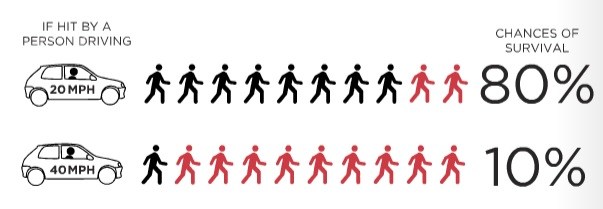
“Speed enforcement cameras are proving themselves to be highly effective in reducing dangerous driving behavior and making streets safer for all of us,” added District 6 Supervisor Matt Dorsey. He plans to introduce a resolution next week affirming the city’s support for the program and exploring ways to strengthen it. “This is a life-saving technology we need more of—in District 6 and throughout the city—and I’m proud to stand with safe streets advocates in celebrating its success.”
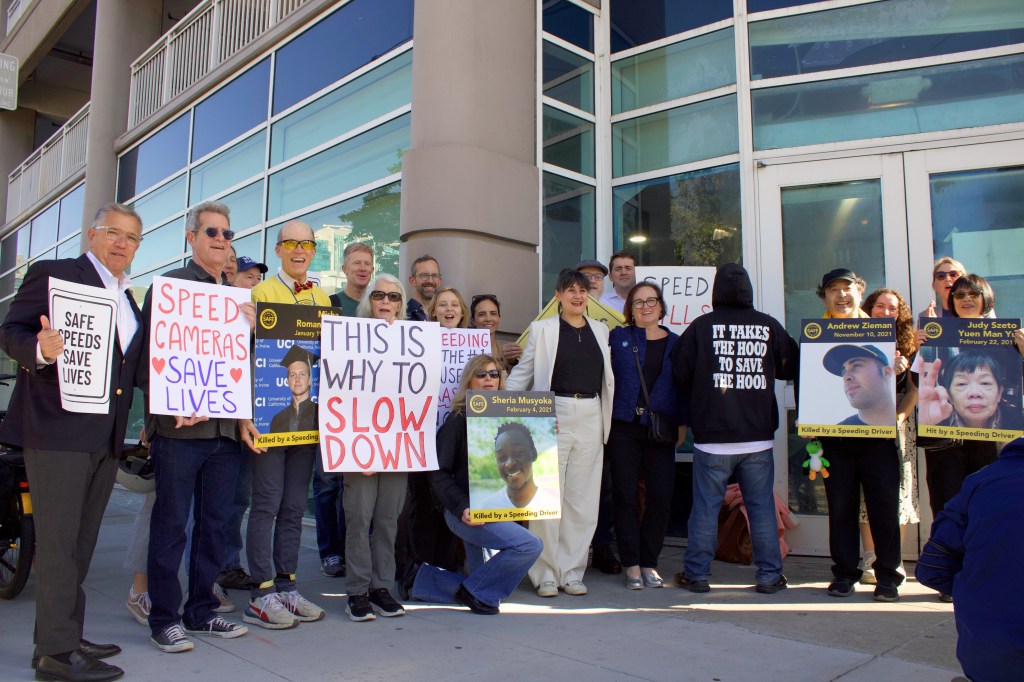
“Speed cameras dramatically shift behavior and can reduce the number of severe and fatal crashes by as much as 58 percent,” wrote Walk San Francisco in a statement about the anniversary. “In New York City, the speed camera program has resulted in a 94 percent reduction in speeding at speed camera locations and attributed with significant decreases in pedestrian injuries and fatalities.”
New York City found, however, that speed cameras also created a problem, aptly named “super speeders.” Some drivers, it turns out, simply ignore the fines and continue speeding.
Walk SF is working to pass the Stop Super Speeders’ bill (AB 2276), legislation that would require “active Intelligent Speed Assistance” to be installed in the vehicles of drivers convicted of severe speeding-related offenses. That device would prevent these reckless drivers from speeding in the first place.

Streetsblog submits that drivers who commit such acts should have their licenses revoked for life and their cars confiscated, rather than the current penalties of suspensions or points. Driving is supposed to be a privilege, not a right, and people who repeatedly play Russian Roulette with the public need to lose that privilege.
Moreover, speed cameras are only one element used by New York and successful Vision Zero cities. Despite the speed cameras, drivers in San Francisco have killed eight pedestrians since the start of 2026. That shows no real-world improvement from the previous year.

Streetsblog has migrated to a new comment system. New commenters can register directly in the comments section of any article. Returning commenters: your previous comments and display name have been preserved, but you'll need to reclaim your account by clicking "Forgot your password?" on the sign-in form, entering your email, and following the verification link to set a new password — this is required because passwords could not be carried over during the migration. For questions, contact tips@streetsblog.org.