Today on the Streetsblog Network, we're featuring a post from San Francisco's Pedestrianist
about two-way street conversions in Minneapolis and how such changing
traffic patterns could benefit pedestrians and other users:
Today on the Streetsblog Network, we’re featuring a post from San Francisco’s Pedestrianist
about two-way street conversions in Minneapolis and how such changing
traffic patterns could benefit pedestrians and other users:
The city of Minneapolis is about to return two of its downtown streets to two-way traffic
after nearly 30 years of one-way flow. Those streets, like many in
downtowns across the country, were converted to one-way couplets by
auto-centric traffic engineers in the middle of the last century.
Their goal was to squeeze more cars through older, narrow streets
as fast as they could. And that’s exactly what happened. The problem is
that the fast, thick traffic along these one-way streets has proven to
be dangerous to vulnerable road users, especially pedestrians, and has
often pushed away much of the street life.
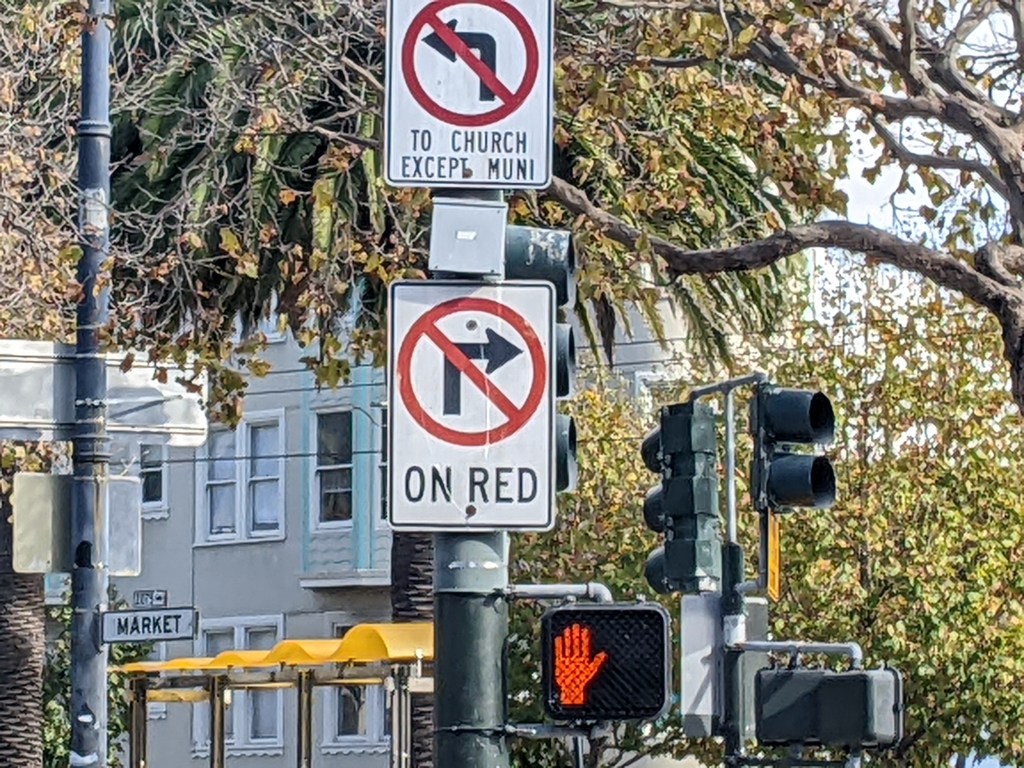
In San Francisco, the grid of one-way streets on either side of
Market and around the old ramps to the Central Freeway in Hayes Valley
and the Western Addition are among the most dangerous places to walk. The recent killing of a woman on Fell Street has prompted numerous calls to calm the traffic on that and other unidirectional expressways. One of the more common sentiments expressed in comments on Streetsblog is that these one-way couplets should be restored back to two-way traffic.
Two-way streets are naturally calmer because cars approaching from
opposite directions make each other nervous. Nervous drivers are slower
and more alert to their surroundings. Two way streets are also easier
for bicycles to navigate, and the presence of bikes on a street further
calms car traffic.
There is, in my opinion, no reason not to begin restoring two-way
traffic on San Francisco streets, starting with the most dangerous
first. The lives of our neighbors are too high a cost to justify a
slightly faster car commute.
More from around the network: FABB Blog and Missouri Bicycle News call attention to a Parade magazine article about the bicycling mayor of Columbia, Missouri. Greater Greater Washington scrutinizes the National Park Service’s rejection of a request to use Rock Creek Parkway for an organized bike tour event. And Let’s Go Ride a Bike has more on the biking gender gap.
An opportunity to follow the success of Montreal and New York and really make streets safer is within the city's grasp, but SFMTA seems determined to blow it. The mayor needs to step up and get a citywide ban on turning on red
The free E-Bike Rules Checker lets riders, parents and shoppers look up specific models and see how they are classified and what rules apply in their state.