Transit Fare Inflation Hitting Health Insurance-Like Levels?

That’s the implication buried in a roundup
of dismal news from urban transit agencies that ran in Saturday’s Wall
Street Journal. After noting the overall ridership decreases tallied by APTA and the specter of punitive service cuts in many cities, the newspaper noted:
 Riders
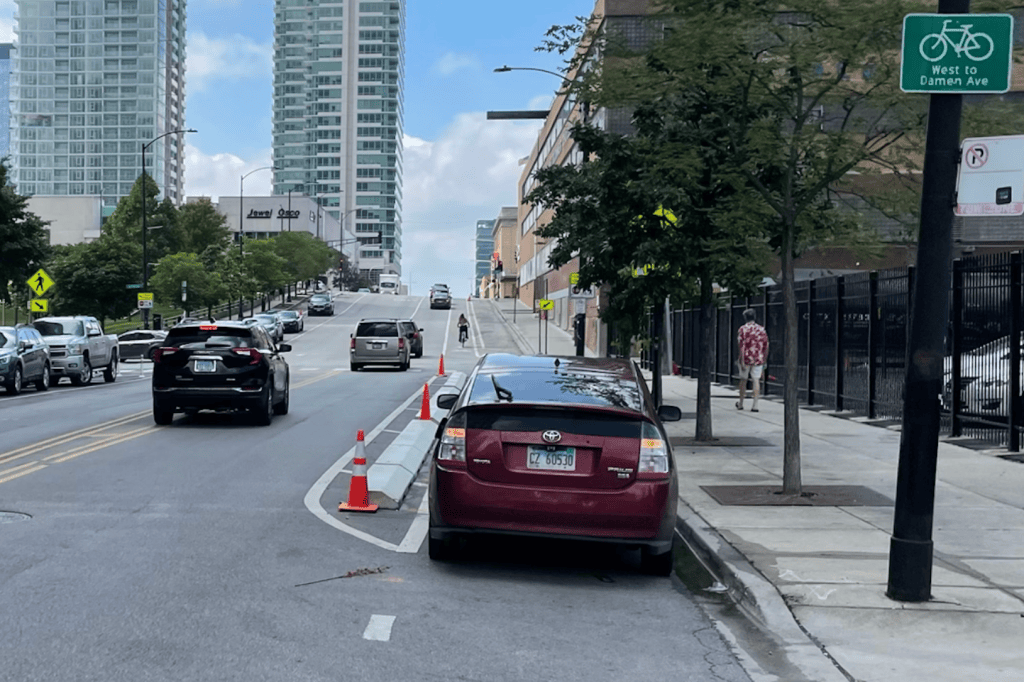
of Chicago’s El train, shown above, were spared fare hikes in 2010
thanks to a last-minute deal. (Photo: ~JudyCrawford via Flickr)
The cost of riding public transit rose at a 17.8% annual rate in the
six months ended in November, the Bureau of Labor Statistics reported.
Overall consumer prices were up at a 4.2% rate in the same period.
That statistic is a bit tricky, since it projects twelve-month inflation rates by looking at six months of data.
But
it’s still striking — and scary — to see transit fare inflation
hitting levels that look as bad as price increases for health
insurance, which in recent years has grown 8.7% faster than the annual inflation rate, according to the Kaiser Foundation.
Heading
into 2010, it’s easy to see urban transit agencies falling into a
vicious cycle driven by state budget woes verging on the apocalyptic
(see California), local resistance to fare increases that disproportionately affect non-car-owning commuters, and federal inaction on much-needed transportation reform.
If
there’s any upside to the grim picture, it may be that scarce funding
is likely to force lawmakers into honestly apportioning scarce
resources based on infrastructure projects’ true value to local
communities — not the political popularity of ribbon-cutting
ceremonies or promises of local job-creation that ultimately fail to materialize.
Such
an outcome could well put transit and road projects on a more equal
footing. But much like incremental emissions reductions taking shape
at the state level, any change will surely take longer than most
Americans would like. One thing that might help prod political leaders
into action: more of a spotlight on the Journal’s transit inflation
number.

Streetsblog has migrated to a new comment system. New commenters can register directly in the comments section of any article. Returning commenters: your previous comments and display name have been preserved, but you'll need to reclaim your account by clicking "Forgot your password?" on the sign-in form, entering your email, and following the verification link to set a new password — this is required because passwords could not be carried over during the migration. For questions, contact tips@streetsblog.org.