Dream of a ‘Grand Central Station’ for the West at Risk of Further Delay

Last month, the Metropolitan Transportation Commission endorsed granting $750 million of the state’s “cap and invest” funds towards the completion of the Portal, a rail tunnel that will one day bring Caltrain and high-speed rail into the basement of the Transbay Transit Center. But now, that money may be at risk as the California Air Resources Board (CARB) “re-negotiates” state funding.
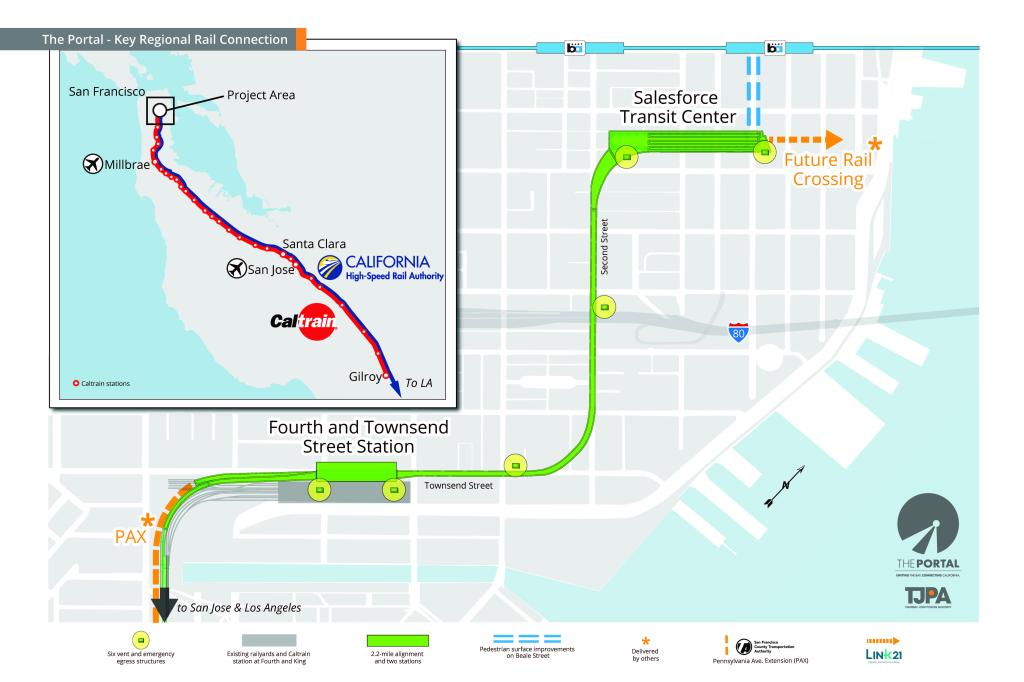
“This is the most cost-effective program for carbon reductions, coming in only after BART’s core capacity program,” explained Adam Van de Water, Executive Director of the Transbay Joint Powers Authority, which built the Salesforce Transit Center and is overseeing construction of the tunnel that will one day connect it to Caltrain. “That’s 10 percent of the construction costs.”
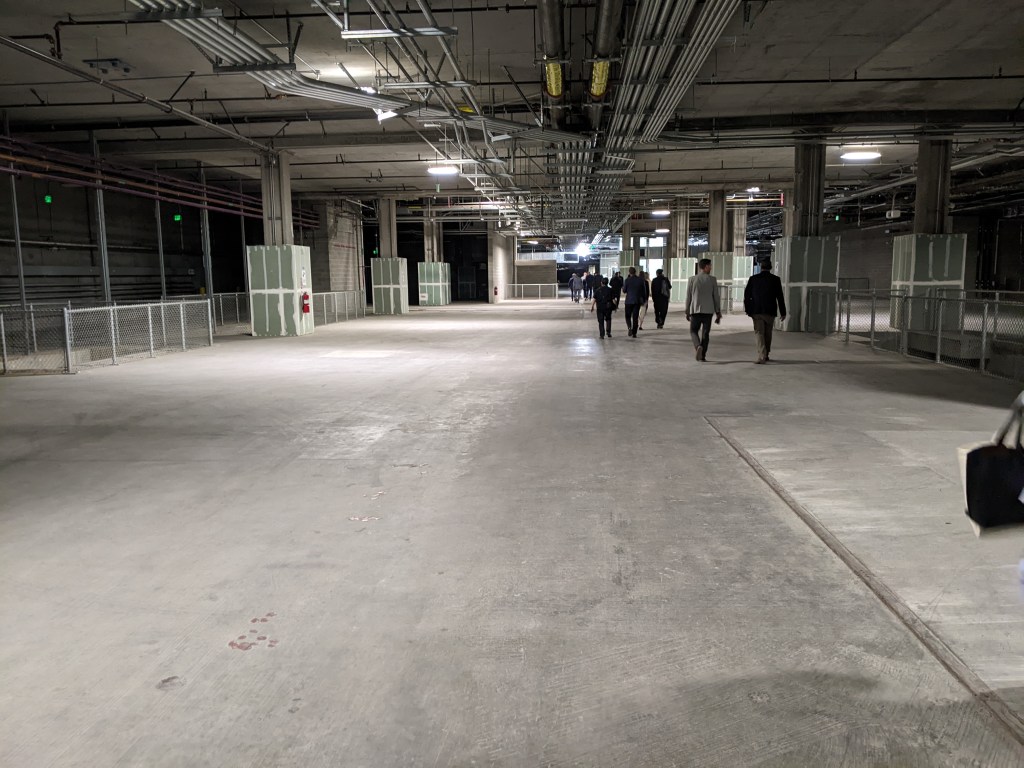
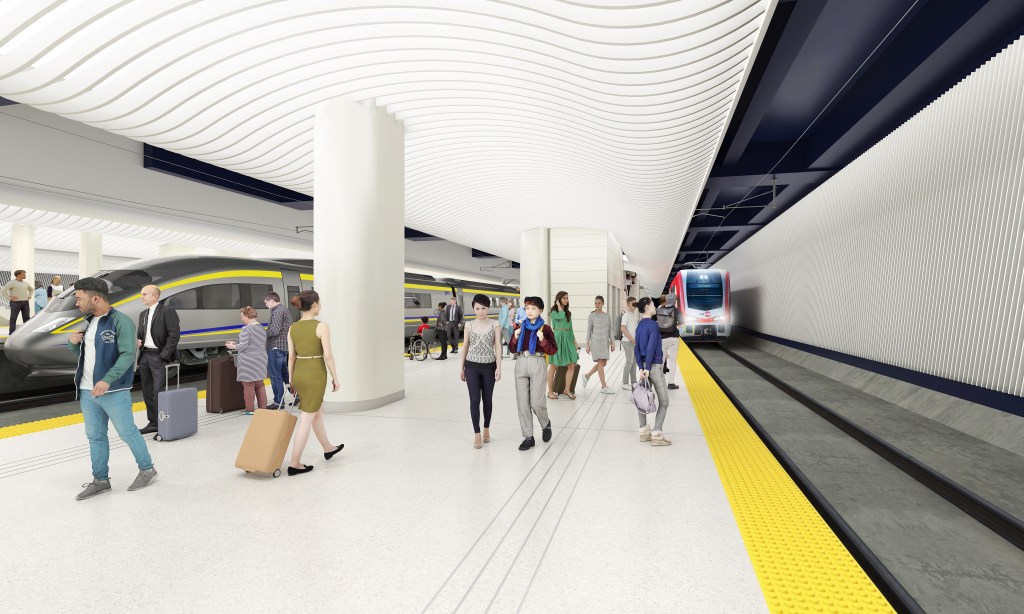
If they can protect those funds and bring everything together, the hope is to have trains running into the basement of the Transbay Transit Center in 2035. When operational, the tunnel is forecast to reduce private car use by over 76 million miles annually and reduce greenhouse gas emissions by over 30,000 metric tons. It should save 30-45 minutes off daily regional commutes.
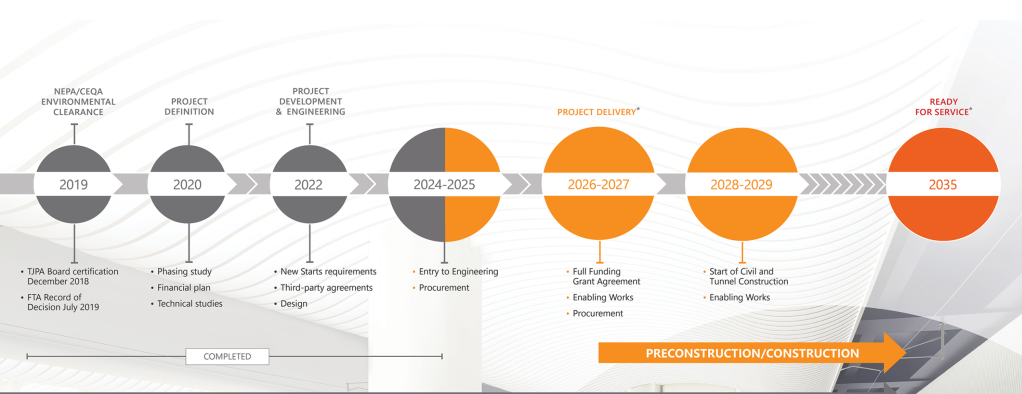
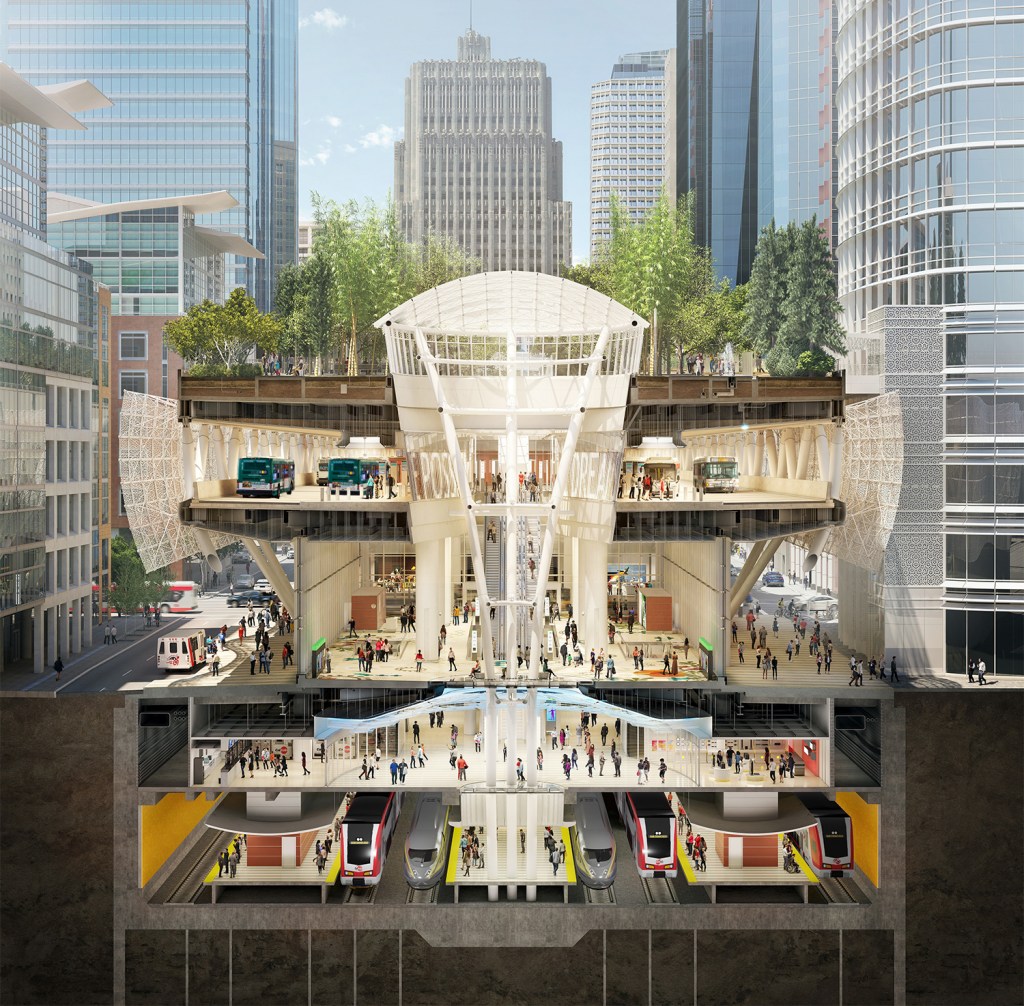
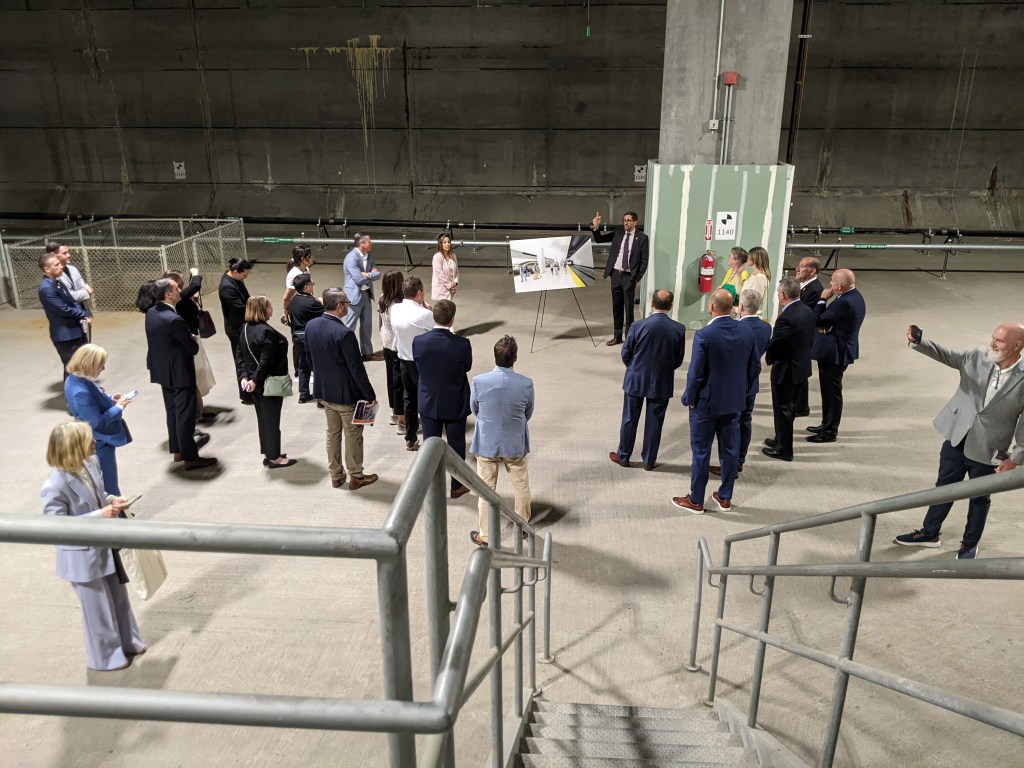
Van de Water brought up the CARB issue during a tour for construction officials (and Streetsblog) Thursday of the “train box,” the 160,000 square-foot space under the Transbay Terminal with space for trains, platforms, and a mezzanine level above it. The mezzanine will eventually house more retail and waiting areas for train riders.
The underground train box was completed in 2018 along with the bus platforms and aerial park above ground. But the train box has remained empty, awaiting the completion of a 1.5-mile tunnel to bring trains from Caltrain’s current terminus at Fourth and Townsend.
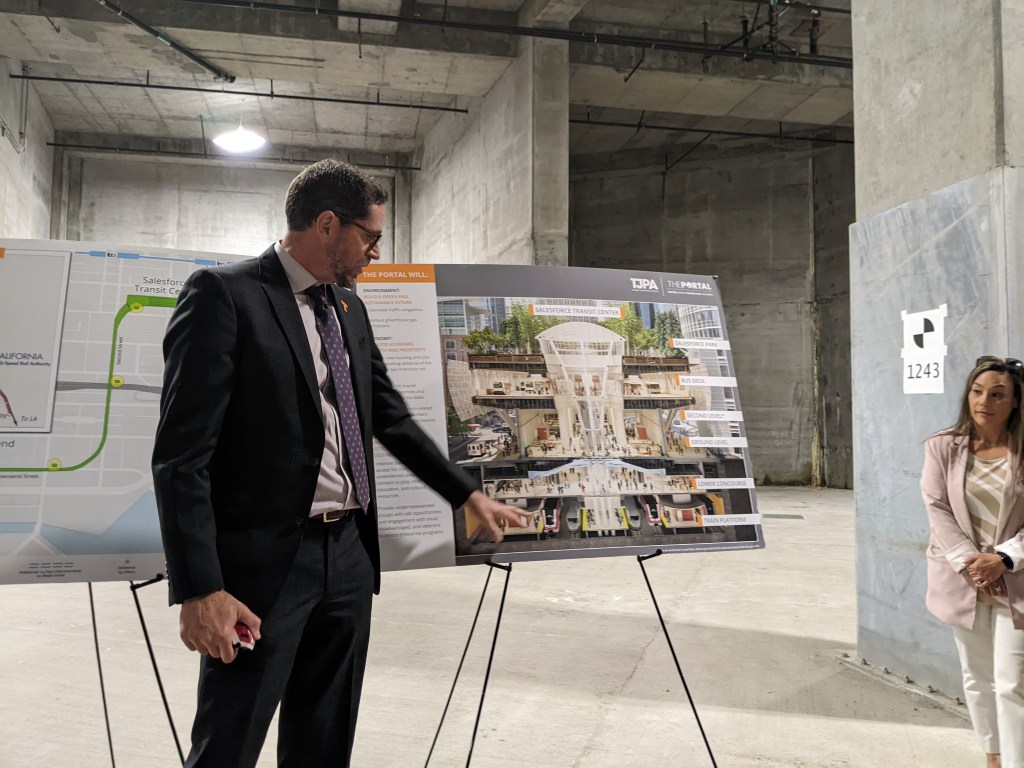
Eventually, there will be six tracks and three platforms. The train box has “break out” panels on its western end to connect to the Portal tunnel. It has panels on the east side as well, to eventually allow through-running to a planned second Transbay tunnel under the Link 21 program. But that part of the project, of course, is far more tenous and will probably fall on a future generation of planners and engineers.
Over two-thirds of the total $7.5 billion cost to complete the Caltrain and HSR connection is accounted for. But thanks to CARB, more of that is again in jeopardy. Every time funding gets unwound and has to be re-addressed, time is wasted and costs rise.
Van de Water said his staff will be heading to Sacramento to negotiate for the CARB funds. But given how much has already been constructed, he’s confident the trains will come to the transit center eventually. “It’s when, not if.”

Streetsblog has migrated to a new comment system. New commenters can register directly in the comments section of any article. Returning commenters: your previous comments and display name have been preserved, but you'll need to reclaim your account by clicking "Forgot your password?" on the sign-in form, entering your email, and following the verification link to set a new password — this is required because passwords could not be carried over during the migration. For questions, contact tips@streetsblog.org.