Everybody Wants a Spot: Why Free Parking is a Bad Idea
See Donald Shoup, author of The High Cost of Free Parking, speak about the critical reasons cities need to reform their parking policies.

11:40 AM PST on February 9, 2010
See Donald Shoup, author of The High Cost of Free Parking, speak about the critical reasons cities need to reform their parking policies.

Before he began blogging about land use and transportation, Aaron Donovan wrote The New York Times Neediest Cases Fund's annual fundraising appeal for three years and earned a master's degree in urban planning from Columbia. Since then, he has worked for nonprofit organizations devoted to New York City economic development. He lives and works in the Financial District, and sees New York's pre-automobile built form as an asset that makes New York unique in the United States, and as a strategic advantage that should be capitalized upon.
Streetsblog has migrated to a new comment system. New commenters can register directly in the comments section of any article. Returning commenters: your previous comments and display name have been preserved, but you'll need to reclaim your account by clicking "Forgot your password?" on the sign-in form, entering your email, and following the verification link to set a new password — this is required because passwords could not be carried over during the migration. For questions, contact tips@streetsblog.org.
More from Streetsblog San Francisco
Headlines, September 17
A smaller-than usual stack of headlines gives us an excuse to promote some candidate forums.
September 17, 2026
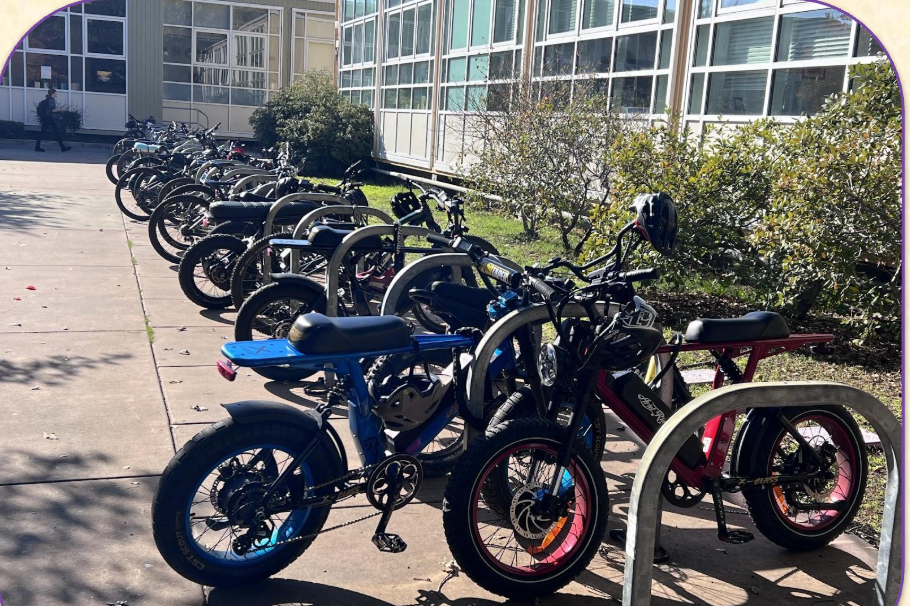
Op/Ed: E-Bike/E-Moto Legislation Doesn’t Absolve Schools from Getting Unsafe Motos Off Campuses
Have trouble telling the difference? Most legitimate e-bikes don't have a throttle.
September 17, 2026
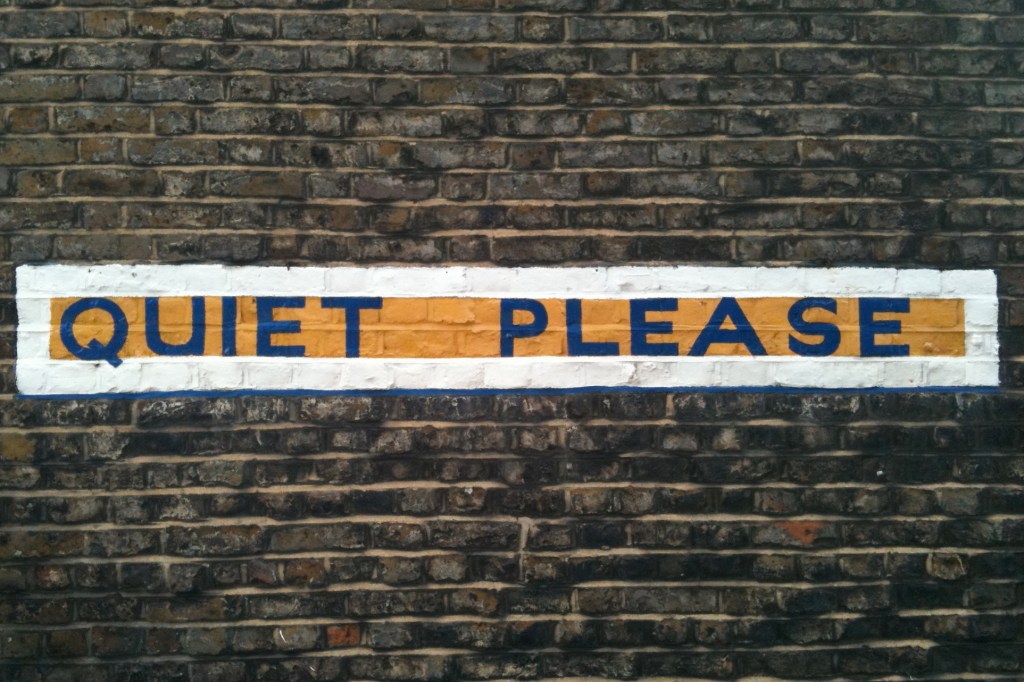
Traffic Noise Kills 6,330 Americans a Year; We Stopped Counting in 1982
Removing just five decibels of noise from our neighborhoods would save lives. So why aren't we even measuring it, never mind taking action to quiet our streets?
September 16, 2026
Headlines, September 16
Newspapers spelling out what happens if Muni has to cut service, one AC Transit Director's unwanted hug, "Fare Required," and more...
September 16, 2026

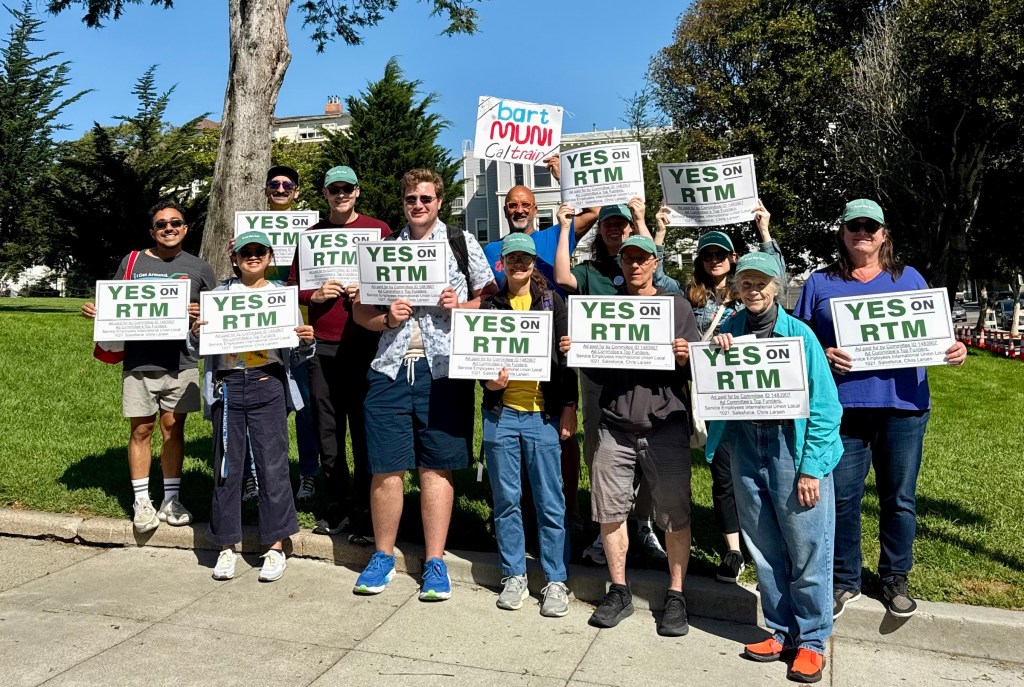
Get Involved with Measure RTM with Today’s (9/17) Day of Action, or Events All Weekend
A regional measure will need volunteers from throughout the region.
September 16, 2026