Wall Street Swaps Haunting Cities: How Many Transit Agencies Hold Them?

The vast majority of Americans could not recognize the term
“credit-default swaps” until 2008, when the obscure type of Wall Street
deal was pinpointed as a
leading cause of the U.S. financial meltdown. Now another type of swap,
centered on interest rates, is making headlines as a growing number of
urban governments start to regret their bets on borrowing costs.
 A rail car from the New
York City MTA. (Photo: TreeHugger)
Pennsylvania’s
auditor general has
pressed the Delaware River Port Authority — which operates a
commuter rail line and four bridges — to ban interest-rate swaps,
calling them “nothing more than a form of gambling with public funds.”
The Wall Street Journal reported
last week that “hundreds of municipalities” owe money to banks on the
swaps, which were signed in a bid to lower borrowing costs by shielding
cities from a future rise in interest rates.
The New York Times picked up the thread yesterday in a front-page
story on the growing risk surrounding the swaps, neatly summing up
localities’ current predicament:
The swaps
would indeed have saved money had interest rates gone up. But to get
this protection, the states had to agree to pay extra if interest rates
went down. And in the years since these swaps came into vogue, interest
rates have mostly fallen.
Several of the nation’s largest transit authorities have
interest-rate swaps sitting on their books, according to their financial
disclosures.
New York City’s Metropolitan Transportation Authority (MTA)
reported outstanding swaps worth $3.9 billion in its most recent
financial statement [PDF],
released late last year. The counterparties, or trading partners, to
MTA swaps include several recipients of government bailout money,
including Citigroup, AIG, Morgan Stanley, J.P. Morgan, and UBS, which received
indirect aid through the AIG rescue.
Los Angeles’ local transit authority, known as Metro, reported five outstanding
interest rate swaps valued at $808,000 in its most recent financial
statement. The largest of the swaps was with Goldman Sachs.
New Jersey Transit, which
is
planning to hike fares 25 percent to close its budget gaps, did not
identify the counterparties to its interest-rate swaps in its annual
financial statement. But Bloomberg reported in
December that the state’s transportation trust fund, a key source
of transit funding, was paying $1 million per month to Goldman Sachs as a
result of a previous interest-rate swap deal.
The Southeastern Pennsylvania Transportation Authority, which runs
transit networks in the Philadelphia metro area, reported interest-rate
swaps with Citibank and Merrill Lynch in the amount of $340 million on
its 2008 financial statement, the most recent available.
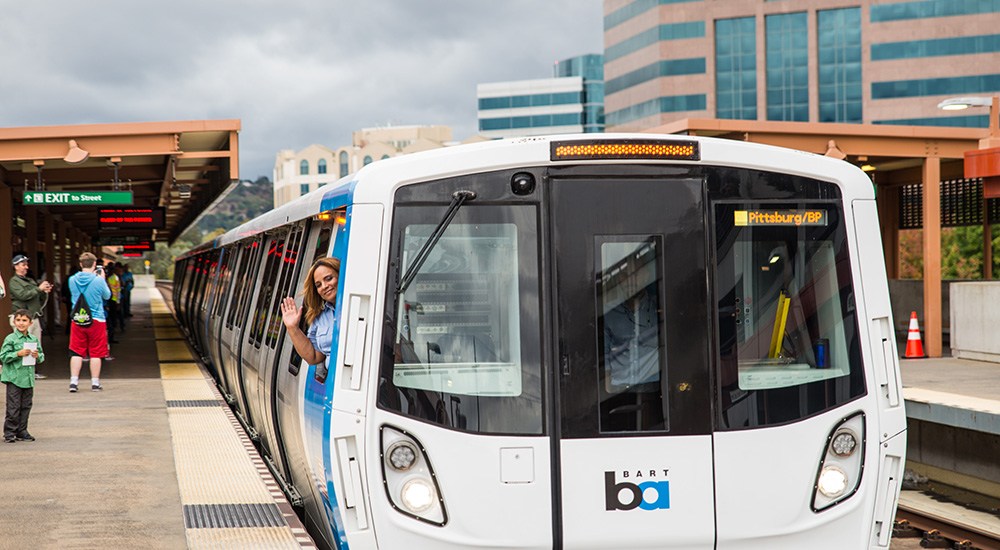
One transit system that does not appear to have used swaps to lower
its interest rates, based on its financial statements, is San
Francisco’s Bay Area Rapid Transit (BART).

Streetsblog has migrated to a new comment system. New commenters can register directly in the comments section of any article. Returning commenters: your previous comments and display name have been preserved, but you'll need to reclaim your account by clicking "Forgot your password?" on the sign-in form, entering your email, and following the verification link to set a new password — this is required because passwords could not be carried over during the migration. For questions, contact tips@streetsblog.org.