Not Voting for Buses? Bay Area Transit Study Open Thread

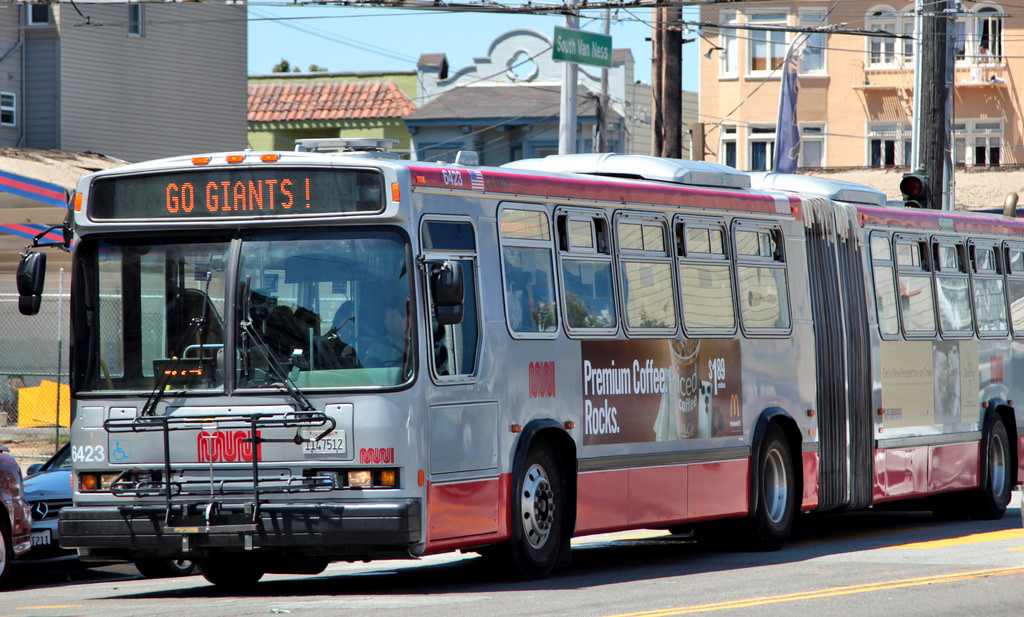
Election day is a good time for a discussion about a recent Metropolitan Transportation Commission (MTC) study that seems to show that Bay Area residents are using their transit choices to, in effect, vote for rail, ferry, and ride-hailing, but not for more buses. From an East Bay Times look at the study:
The problem is that buses, by far the biggest piece of the transit puzzle, saw ridership drop 15 percent from 1991 to 2014, more than canceling out the 63 percent surge in train and ferry use, according to data from the Metropolitan Transportation Commission. With private tech shuttles transporting employees from home to office and the proliferation of ride-hailing services like Uber and Lyft, are buses merely outdated behemoths ready to go the way of the dinosaur?
Is it really true that Uber and Lyft are responsible for declining bus ridership? Are tech shuttles really pulling people from city buses? With ride-hail, it depends which study one consults. According to a March study from the American Public Transportation Association (APTA), ride-hail works hand-in-glove with transit:
A survey of 4,500 people across the US confirms that people who routinely use “shared modes” of transportation (e.g. bikesharing, carsharing, and ridesharing) were more likely to use public transit. These individuals were less likely to drive, more likely to walk, and saved more on overall transportation costs.
But an earlier study from the University of California Transportation Center at Berkeley shows the opposite.
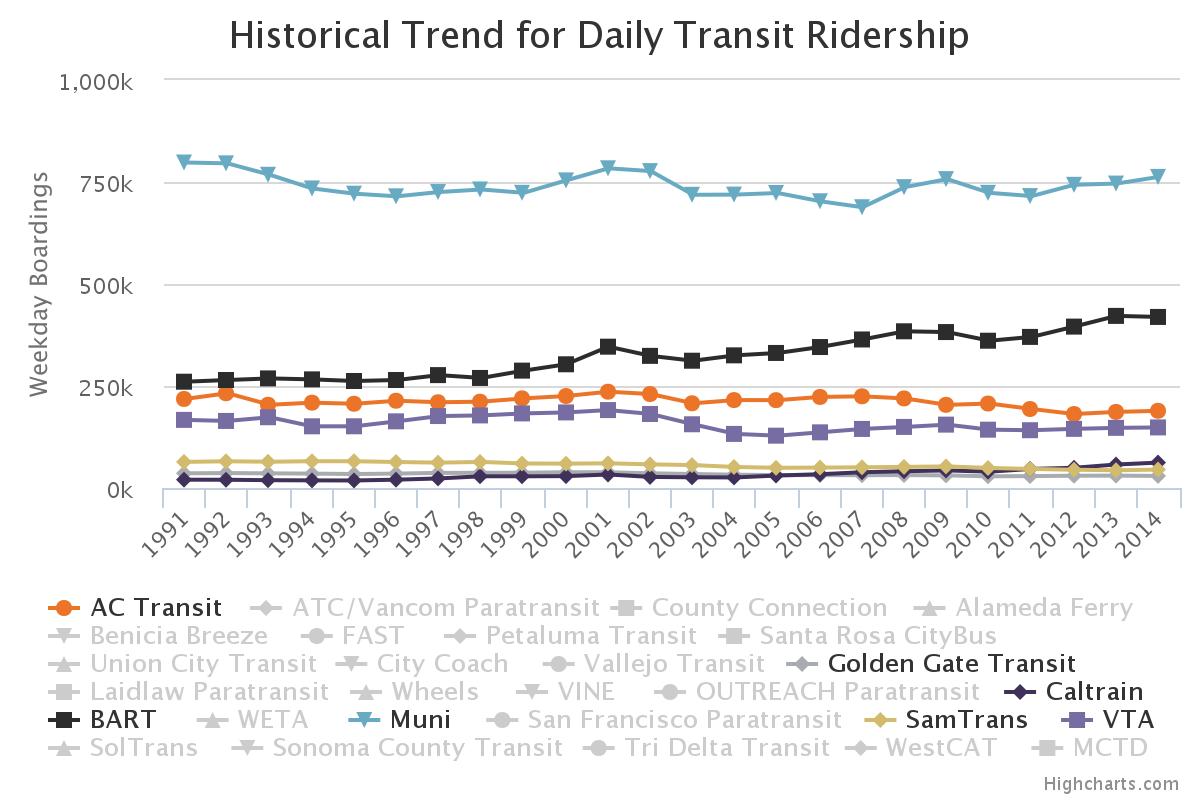
Meanwhile, the MTC study says SF Muni represents 44 percent of all transit trips in the Bay Area–which may explain why Muni’s buses, at least, remain crowded.
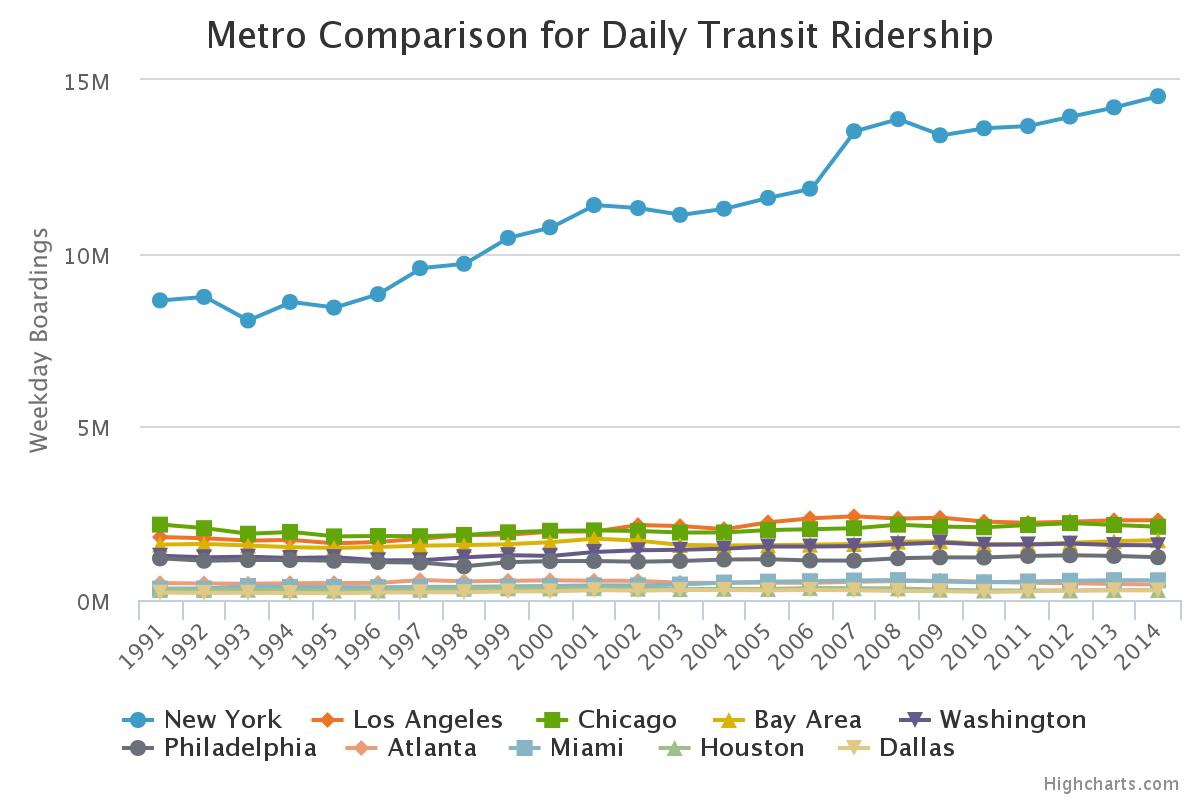
So the question is: are buses really losing their utility in the new transportation paradigm, where we have bike and ride share to help people travel shorter distances with ease? Do you find yourself Ubering more and using buses less? Are we witnessing a major shift in the role of buses? Or can improvements such as the Geary and Van Ness bus lane projects get people back on board?
Leave a comment below. And while you’re at it, tell us how you got to your polling place.

Streetsblog has migrated to a new comment system. New commenters can register directly in the comments section of any article. Returning commenters: your previous comments and display name have been preserved, but you'll need to reclaim your account by clicking "Forgot your password?" on the sign-in form, entering your email, and following the verification link to set a new password — this is required because passwords could not be carried over during the migration. For questions, contact tips@streetsblog.org.