Cities Want to Save Lives With Lower Speed Limits, But States Stand in the Way


Austin’s City Council voted this week to lower speed limits on residential streets from 30 mph to 25. In doing so, the city joins a growing number of cities moving to save lives by reducing default speed limits. But like those cities, Austin needs help from the state legislature to realize its plans.
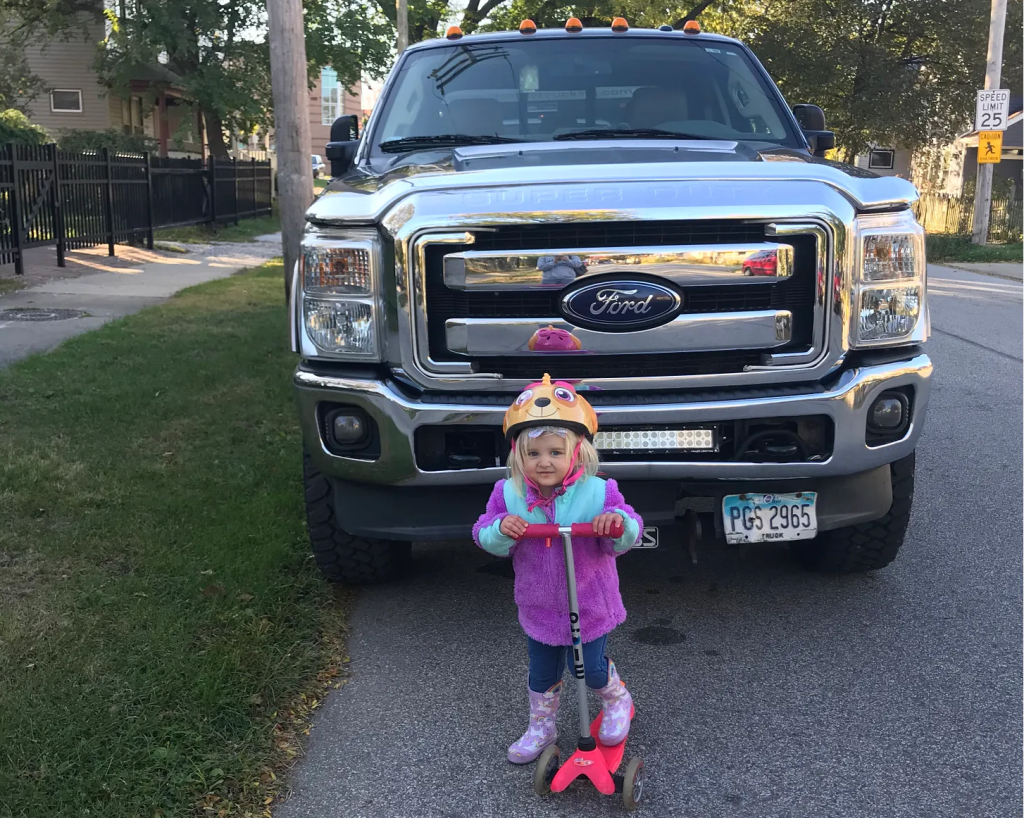
Vehicle speeds are a leading factor in traffic injuries and deaths. The odds of a pedestrian surviving the force of a car collision start to plummet as the impact speed exceeds 20 mph. Traveling at 20 mph also gives a motorist much more leeway to react and avoid collisions in the first place.
Austin is taking steps to get drivers to travel at safe speeds as part of its Vision Zero effort, which aims to eliminate traffic deaths by 2025. Currently, more than 60 people are killed in traffic on Austin streets in a typical year. In addition to lowering speed limits, the City Council wants local transportation officials to design streets for safer traffic speeds.
But Austin’s vote was largely symbolic. Like a number of other Texas cities — including Houston, Fort Worth, and San Antonio — Austin needs enabling legislation from the state legislature to permit 25 mph residential speed limits. In the meantime, the city can only establish slower speed limits on a pilot basis. Expensive studies must be conducted before the city can lower speed limits on individual streets.
These obstacles are not limited to Texas. Boston has voted twice to lower default speed limits to 20 mph. But like most cities, Boston needed the state legislature to sign on too.
Leah Shahum of the Vision Zero Network, which advocates for policies to reduce traffic deaths and injuries, says state permission is a key obstacle to traffic safety that cities have to deal with.
“This is the most impactful way states can support local Vision Zero goals — give locals the flexibility they need to manage speed to safe levels,” she said. “This is what it’s all about when it comes to saving lives on our roadways.”
“It is proven that managing speed is, by far, one of the most effective ways to keep people safe on our streets,” Shahum adds. “Any community that is serious about Vision Zero must get serious about managing speeds. This includes setting speed limits at appropriate levels in cities where we know people are walking and biking, as well as driving.”
Some cities have succeeded in getting state permission to lower default speed limits.
Months after Boston voted to lower speed limits, Massachusetts Lawmakers voted in August to let the cities decide what was best for them. The default speed limit in Boston will be lowered to 25 miles per hour next month.
New York City also convinced the state legislature and Governor Andrew Cuomo to allow the city to reduce default speed limits from 30 mph to 25 in 2014. Not only was Mayor Bill de Blasio fresh from an election campaign in which he promised to rapidly reduce traffic deaths, but the legislation had powerful support from Families for Safe Streets — people who had lost loved ones to traffic violence and personally spoke to state legislators about the importance of curbing traffic speeds.
Portland wants to systematically reevaluate speed limits on its streets. The city appears to have the support of the key Oregon official whose approval is necessary to move forward.
In 2013, a multi-year campaign by Washington Bikes led to passage of a state law that gave local governments more control of regulating traffic speeds on their streets. Thanks to that law, this year Seattle was able to lower its default speed limit on neighborhood streets to 20 mph.
These stories should give hope to Austin and other cities looking to save lives with lower speed limits. With smart, persistent advocacy, street safety campaigns can win at the state level when the political opportunity presents itself.
Correction: The article originally reported the Massachusetts Legislature had not voted to allow Boston to lower speed limits. They moved to allow cities and towns to lower speed limits this summer.

Read More:
Streetsblog has migrated to a new comment system. New commenters can register directly in the comments section of any article. Returning commenters: your previous comments and display name have been preserved, but you'll need to reclaim your account by clicking "Forgot your password?" on the sign-in form, entering your email, and following the verification link to set a new password — this is required because passwords could not be carried over during the migration. For questions, contact tips@streetsblog.org.