
Among the many dangers faced by people on streets in this nation today, distracted driving in automated vehicles has not been uppermost in people’s minds. But research from U.C. Davis suggests policymakers should maybe pay a little more attention.
Scott Hardman, Senior Researcher at the Plug-In Hybrid & Electric Vehicle Research Center at ITS-Davis, found that people who drive Teslas that are equipped with the company’s “Autopilot” software tend to drive more than they did before they had the software, which by itself is a problem in terms of energy use and increased congestion. Reduced stress from the feeling that they don’t need to concentrate on driving makes drivers more willing to take long trips, and more willing to drive in heavy traffic.
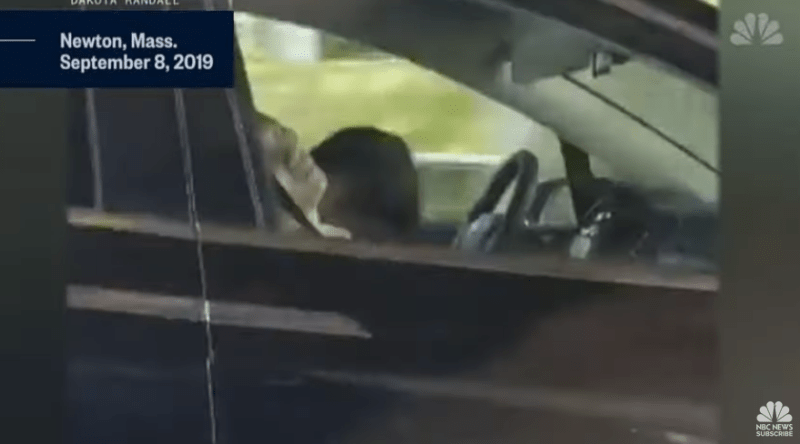
That’s because they are also more likely to be surfing the internet or sleeping while at the wheel, trusting the unregulated and largely untested software to handle the driving.
The Tesla with “Autopilot” function is considered a “partially automated vehicle.” The software can control steering, acceleration, deceleration, and braking. However, the human driver is supposed to stay attentive, and maintain control of the vehicle.
The research raises questions about how driver behavior might change when more advanced automated vehicles become available. Researchers have warned that the adoption of fully automated vehicles is likely to lead to more travel and more congestion, and this study’s results seem to back that up.
“The study highlights the fact that partially automated vehicles can cause and are already causing changes in how people travel—similar to the changes that modeling studies predict for fully automated vehicles,” said Hardman in a press release. “But partially automated vehicles, unlike fully driverless cars, are already on the market and having an impact.”
Neither federal nor state policies currently address these safety issues directly, even though fully automatic vehicles are already being tested on California roads.
Hardman’s report is available online, (a summary of findings is here). Also, U.C. Davis will host a webinar at 10 a.m. tomorrow to discuss the findings in more detail.
Researchers at U.C Davis have done a lot of thinking about automated vehiclesand what they could mean for the future of transportation in California. Policy makers and rule setters should listen.