Op-Ed: Lack of Good Transit is the Real Culprit Behind the July 4th Fiasco
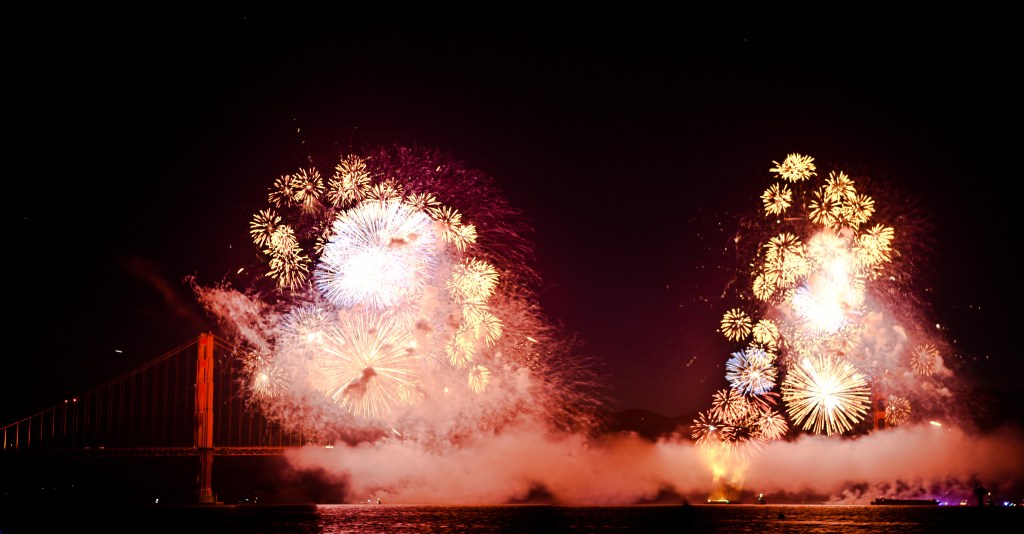
July 4th is always an interesting holiday in San Francisco. People from throughout the Bay Area brave the typically foggy weather to watch the show from the Embarcadero. The fireworks are usually launched from a barge near Treasure Island, but for the 250th anniversary of the US, Mayor Daniel Lurie announced they would launch directly from the Golden Gate Bridge. It was a great idea for a photo op, but poor logistics planning turned it into a traffic nightmare that exposed serious gaps in San Francisco’s transportation system.
Moving the show from the bayside to Golden Gate brought one huge logistical challenge: transportation. When fireworks launch from Treasure Island, the viewing points along the Embarcadero sit in the most transit-rich corridor west of the Mississippi. Spectators can choose from multiple BART and Muni lines, streetcars, ferries, and Caltrain. There’s a reason nearly every major event in SF, like Pride and the Lunar New Year Parade, happens along Market Street: massive crowds can get in and out quickly on high-capacity, grade-separated transit. In contrast, the neighborhoods on the northern waterfront near Golden Gate have no rail connections and next to zero high-capacity buses. The draw of seeing fireworks launched from Golden Gate brought in too many people for the transportation system to handle.
What Happened
An estimated 100,000+ people crowded into the Marina, the Presidio, Fisherman’s Wharf, and Crissy Field to watch the foggy show. The best transit connection in this area is the Van Ness BRT line, which ends near Fort Mason; an efficient transit-only bus lane, but nowhere near enough capacity for a crowd this size. The other options are all Muni buses running in mixed traffic, like the 22 Fillmore.
SFMTA logged 41,000 more boardings than the previous Fourth of July, with trips that normally take 30 minutes stretching 2–3x times longer due to overcrowding and road congestion. SFMTA advertised an express shuttle from Powell BART to the Marina, but by 8:45 (15 minutes before the show started), the agency was telling people to find alternative transportation because the shuttles were full and stuck in standstill traffic. SFMTA’s Director of Streets, Viktoriya Wise, put it plainly afterward: “The transportation system simply couldn’t handle the volume of people who showed up.” It’s one thing to tell people to take transit to major events, but if transit can’t deliver, people revert to driving or ride-share, clogging the roads and slowing transit further.
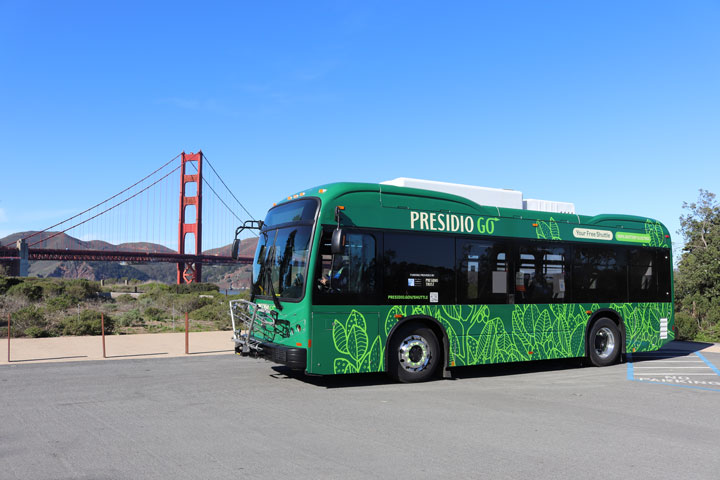
Drivers didn’t fare much better. Cars sat gridlocked for hours in and around the Marina, and plenty of people who drove were still stuck in traffic when the show started. Getting out afterward was worse. With shuttles turning riders away, some people gave up and walked for miles back to the nearest BART station, only to arrive after the trains had already stopped running, forcing them into expensive rideshares home.
Three Takeaways
In the wake of the July 4th chaos, several SF Supervisors ordered an explanation from city departments on the cause of the meltdown. Below are my takeaways:
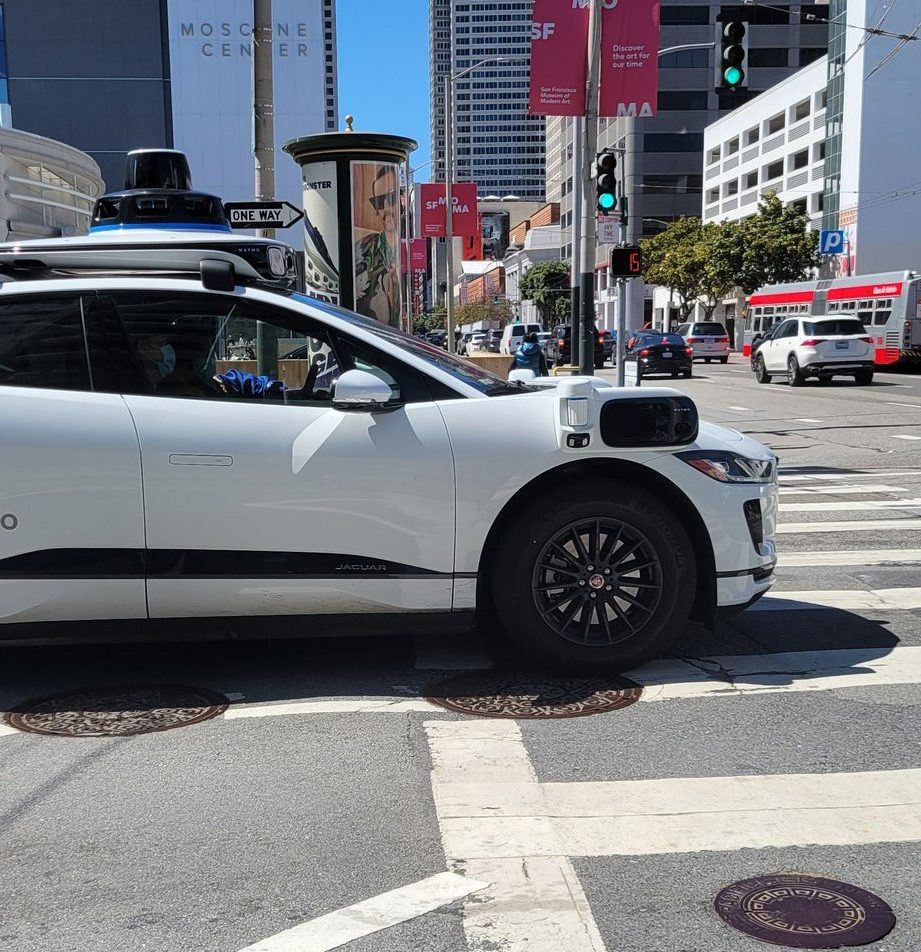
Waymo continues to show it can’t handle major events. Dozens of Waymos stalled out in the Presidio after the show, some idling long enough to drain their batteries and require towing. At least two drove over lit fireworks in the road, with one catching on fire. This echoes the December 2025 PG&E blackout, when stranded Waymos blocked intersections across the city after a power outage killed traffic signals. Waymo doesn’t share fleet performance data with the city, and the city has no authority to restrict AVs from parts of town during major events. We need political leadership at the city and state level to require AV companies to share this data and to restrict them from major events until they can prove their fleets can handle them safely (Mayor Lurie recently called on state leaders to restrict Waymo from major events). Until then, expect more Waymo meltdowns for events like Fleet Week.
@Shenanigans_ATL
The city needs to prioritize public transit for major events by creating transit-only corridors and restricting private vehicles so buses aren’t stuck in traffic. City messaging pushed people toward transit, and they listened, to the point Muni was turning people away from overcrowded shuttles. Relying on short buses and shuttles in mixed traffic will never work for large crowds. The city needs to close streets to private vehicles around major events to speed up transit and set up designated pickup/drop-off zones for rideshare, taxis, and AVs, instead of letting them gridlock everything, including buses.
Chronic underinvestment in capital projects like subway expansion has made meltdowns like this inevitable. The Marina has run into this exact problem before at events like the Red Bull race, with massive amounts of visitors overwhelming the transportation infrastructure. What that part of the city needs is grade-separated rail. The Central Subway already has an unfinished tunnel running from Chinatown to North Beach near Washington Square, and city leaders have been studying an extension to finish the job for over a decade. Take that one step further, with a westward turn through Fort Mason into the Marina, and you’d have high-capacity rail reaching the neighborhoods that get overrun every time the city hosts a big waterfront event.

This isn’t an easy project (the last mile of subway took nearly a decade and cost $2 billion), but that’s exactly why the planning needs to start now. San Francisco has the second-highest transit ridership per capita of any U.S. city, but most of that ridership comes from slow buses stuck in mixed traffic. Huge chunks of the city, including the Marina and the Richmond, have zero rail connections due to decades of underinvestment in subway projects. In the 50 years since the Market Street subway stations opened, San Francisco has built a total of 3 new subway stations (the T extension to Chinatown). Shuttle buses and BRT lines are helpful, but they’re not a substitute for the kind of high-capacity transit a growing, transit-first city needs to accommodate major events and state-mandated housing growth.
For more background, read Mayor Lurie’s letter to state regulators about Waymo interference with the city’s transportation network.
***
Chris Kucera is a climate and transportation advocate and Clean Transportation intern at the San Francisco Environment Department. He holds an MBA in Sustainable Solutions from Presidio Graduate School and lives in San Francisco’s Alamo Square neighborhood
Streetsblog has migrated to a new comment system. New commenters can register directly in the comments section of any article. Returning commenters: your previous comments and display name have been preserved, but you'll need to reclaim your account by clicking "Forgot your password?" on the sign-in form, entering your email, and following the verification link to set a new password — this is required because passwords could not be carried over during the migration. For questions, contact tips@streetsblog.org.