
Average gas prices are expected to hit $2.92 during this summer’s peak
driving season, with fossil-fuel consumption rising overall as the
economy begins to recover from a recession that limited U.S. emissions
growth, according to a forecast released this week by the federal Energy
Information Administration (EIA).
 (Photo: Pop
and Politics)
The EIA’s latest short-term fuels
outlook stopped short of predicting the return of the $4-per-gallon
gas prices seen in the summer of 2008, which gave new political
momentum for alternative energy expansion — though some financial
analysts are still
betting that fuel costs will rise significantly this year.
The EIA also projected that total emissions from Americans’
fossil-fuel use would start to rise after falling by 6.6 percent last
year, with a 2.1 percent increase predicted in 2010 and a 1.1 percent
increase in 2011. U.S. emissions first began falling in 2008 as the
global financial crisis took hold; conversely, the EIA said a future
return to rising emissions would be driven by “economic growth.”
But what future growth won’t do, according to the federal
government’s energy crystal ball, is power a sizable new uptick in
summer gasoline use. From the EIA report:
During this summer season, projected motor gasoline
consumption increases by 0.5 percent over last summer, substantially
lower than the 0.8 percent growth rate recorded last summer. Gasoline
consumption last summer was stimulated by both the beginning of economic
recovery and a $1.37 per gallon decline in gasoline prices from the
previous year.
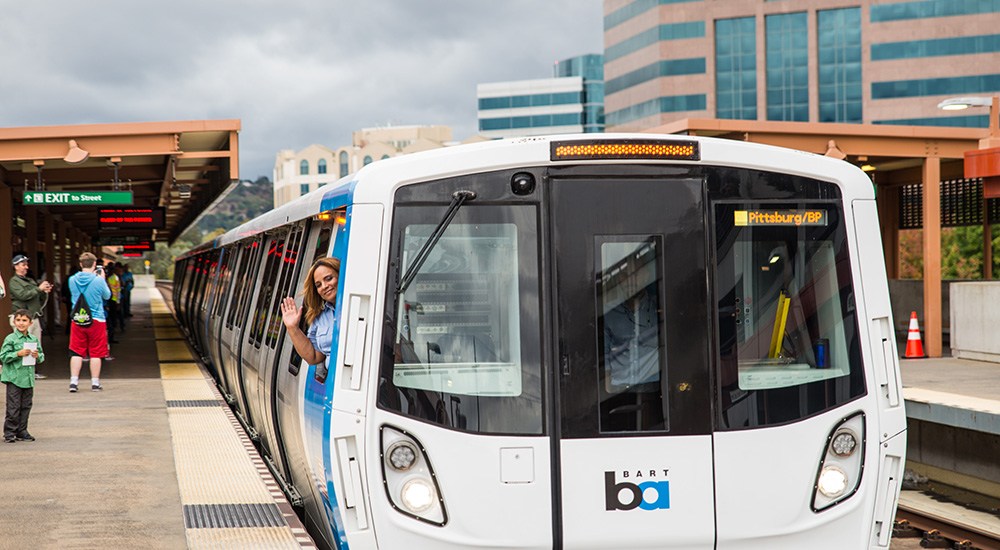
Another reason for the increase in fuel consumption last summer,
per the EIA, was the
downturn in transit ridership — suggesting that local service cuts
or fare hikes may have helped push travelers into their cars.
If the EIA’s prediction holds true, Democrats may not be able to
make as much political hay of high fuel prices as they attempt to pass a
climate change bill during the summer. White House press secretary
Robert Gibbs told
reporters last month that “my guess is there will be a clamoring
for an energy bill when gas
prices go up, as they normally do, as we get closer to more driving as
we get closer to the summer.”