Supes Committee Approves Lower Car Parking Maximums in SoMa

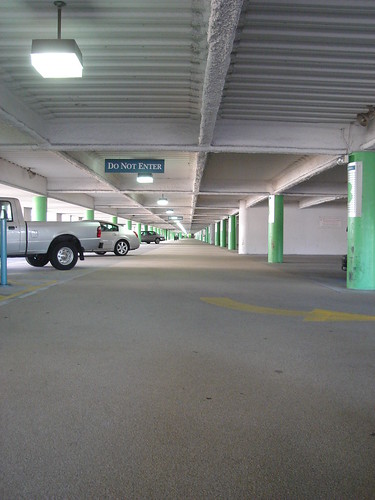
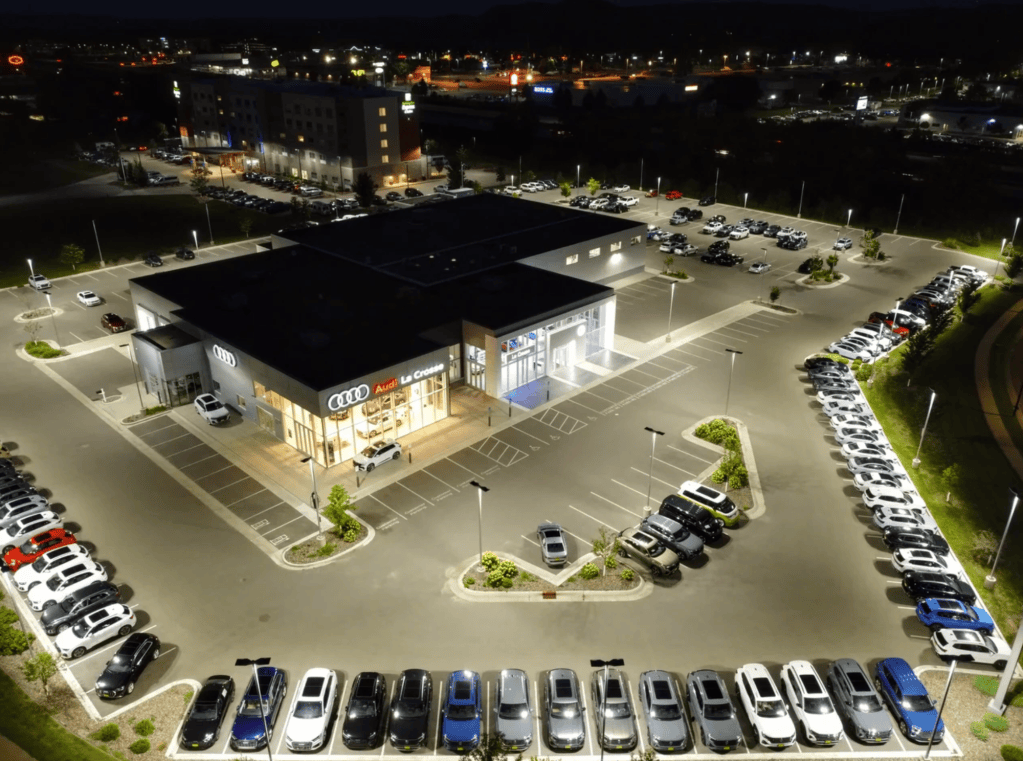
As developers bring more residents and employees to the South of Market (SoMa) district, the number of parking lots and garages they build for automobiles will largely determine how much the new tenants and commuters will drive.
But even in a downtown area like SoMa, developers are bound by antiquated planning codes to provide a minimum number of off-street parking spots.
Transit advocates are looking to reverse those restrictions with a piece of legislation [pdf] approved by the SF Board of Supervisors Land Use and Economic Development Committee yesterday. The ordinance would shed the city’s planning code of car parking minimums in SoMa and replace them with parking maximums in some areas. It’s expected to be confirmed by the full Board of Supervisors in the next few weeks.
“This is the next step in comprehensive parking reform in San Francisco,” said Tom Radulovich, the executive director of Livable City, who drafted the legislation along with former D6 Supervisor Chris Daly when he was in office last year. Daly’s successor, Supervisor Jane Kim, took over the legislation as its sponsor.
Among a host of progressive parking reforms, the proposal would bring consistent maximums to the SoMa district, which planning ordinances passed over the years have set differently within individual sections. It would also prohibit office parking garages closest to the downtown job center from structuring parking prices in a way that lures driving commuters.
Other measures would provide a range of options for citywide developers and property owners to sidestep minimum car parking requirements that are still in place. New parking that would impact historic trees or buildings, seismic safety, a street’s character, and traffic may be exempt from the requirements. Tougher restrictions would also be put in place along designated pedestrian, bicycle, and transit corridors as well as in other dense neighborhoods like Chinatown.
Citywide parking minimums vary across different types of buildings. The default requirement for residential dwellings in areas where ordinances haven’t been put in place is one off-street parking spot per unit. Larger hotels are required to provide a spot for every 16 bedrooms, while motels need one for every room.

Read More:
Streetsblog has migrated to a new comment system. New commenters can register directly in the comments section of any article. Returning commenters: your previous comments and display name have been preserved, but you'll need to reclaim your account by clicking "Forgot your password?" on the sign-in form, entering your email, and following the verification link to set a new password — this is required because passwords could not be carried over during the migration. For questions, contact tips@streetsblog.org.