Supervisor Wiener Calls Hearings to Assess the Cost of Muni Delays


Just how bad is Muni? And is it getting any better? Supervisor Scott Wiener has called for monthly reports from the SF Municipal Transportation Agency and the City Controller’s Office to tally up the true cost of transit delays and track progress on Muni’s reliability.
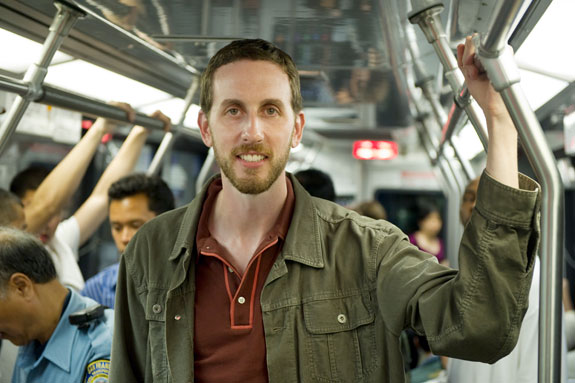
The regular reports to the Land Use and Economic Development Committee would help inform the public and keep Muni’s chronic problems in the spotlight as a funding priority, said Wiener. “It’s important for us as policymakers to see it and hear from our constituents so we can build political support to actually fix this system,” he said at yesterday’s Board of Supervisors meeting. “We’ve had some budget debates relating to Muni in the past year, Muni has never won those debates, and we’ve seen money leave Muni or not come into Muni in the first place, and I don’t think that’s acceptable.”
Wiener requested status reports on reducing Muni’s $420 million backlog in deferred maintenance for vehicles and infrastructure, and fixing up out-of-service Muni trains and buses. He also wants a monthly count of missed runs and “subway meltdowns,” as well as a study of the “economic productivity loss as people are stuck on Muni, late for work, miss appointments, don’t get to school, and don’t get to carry on their life because they’re waiting in a station, streaming up on to the street walking downtown.”
“Riders see this deficiency every day, with missed runs, with breakdowns, with systemic meltdowns where the entire subway fails for a significant period of time, and with all sorts of problems that seem to be occurring with more and more regularity,” said Wiener.
Ben Kaufman, spokesperson for the SF Transit Riders Union, said the organization “is encouraged by Supervisor Wiener’s proposal and appreciative of his attention to Muni’s system-wide issues that continue to plague its ridership.”
But beyond fixing up its existing infrastructure, said Kaufman, the city also needs to keep its eye on upgrading its transit routes with solutions like those proposed in the Transit Effectiveness Project, and to “implement them expeditiously.”
“It is incumbent upon our city to focus on the solutions to these problems rather than just the problems themselves,” he said. “We have a good idea of how to create an efficient and reliable transit system, as evidenced by the best practices of cities around the country and world. Transit improvements such as traffic signal prioritization and physically separated bus-only lanes will go a long way toward making bus and train performance more predictable for the agency — as we mitigate external factors such as traffic congestion and red lights — and thus more efficient and reliable for Muni passengers.”
Also included in Wiener’s request are progress updates on reforming Muni’s work rules to reduce driver absenteeism, as intended under Prop G, approved by voters in 2010, and updates on using technology to announce delays to riders.
Wiener emphasized that the hearings were intended not just to hold the SFMTA accountable for improving Muni, but also to push city leaders to invest in transit.
“This isn’t just about beating up on Muni,” said Wiener. “This is about all of us as a city taking responsibility for our public transportation system.”

Read More:
Streetsblog has migrated to a new comment system. New commenters can register directly in the comments section of any article. Returning commenters: your previous comments and display name have been preserved, but you'll need to reclaim your account by clicking "Forgot your password?" on the sign-in form, entering your email, and following the verification link to set a new password — this is required because passwords could not be carried over during the migration. For questions, contact tips@streetsblog.org.