Governor Brown Signs Protected Bike Lane Bill, Car Fee for Bike Paths


Governor Jerry Brown signed two bills on Saturday that will make it easier for California cities to build better bike infrastructure.
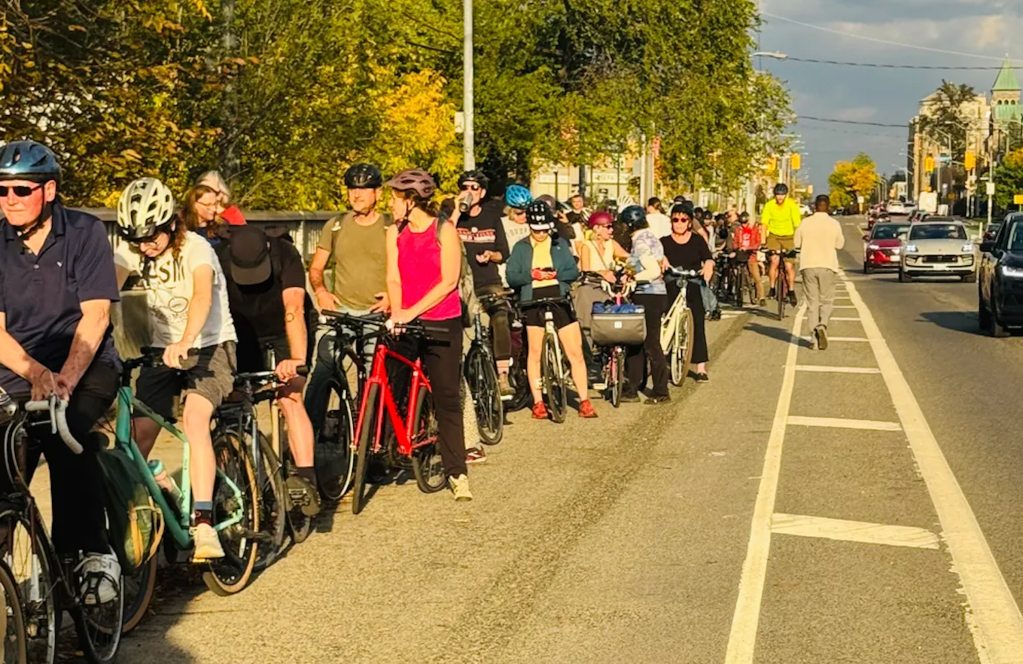
The governor approved Assembly Bill 1193, which means protected bike lanes, or cycletracks, will become an official part of Caltrans’ guidelines on bike infrastructure. Brown also signed Senate Bill 1183, which will allow local governments to use a vehicle surcharge to pay for bike paths and bike facility maintenance.
State to Create Standards Supporting Protected Bike Lanes
A.B. 1193, by Assemblymember Phil Ting (D-San Francisco), will require Caltrans to create engineering standards for protected bike lanes, which until now have been discouraged by a complex approval processes and a lack of state guidance. This new class of lane — called cycletracks, or “class IV bikeways,” in Caltrans terms — are separated from motor traffic using a physical barrier, such as curbs, planters, or parked cars.
Protected bike lanes have been shown to increase the number of people bicycling on them, to make cyclists feel safer, and to decrease the number of wrong-way and sidewalk riders on streets that have them.
The new law will also allow cities and counties to build cycletracks without consulting Caltrans, unless the facilities are built on state highways. California cities that build protected bike lanes will have the option of using the standards to be developed by Caltrans or some other generally accepted standards, sparing them from Caltrans’ arduous approval process.
Locals Can Now Pass Vehicle Fees to Build and Maintain Bikeways
S.B. 1183, from Senator Mark DeSaulnier (D-Concord) allows local jurisdictions in California to propose a small vehicle registration fee (no more than $5) on their local ballot, requiring approval from at least 2/3 of local voters, to fund bike trails and paths on park district land.
Bike trails have suffered from a lack of stable funding sources, unlike roads and highways, which are funded by a combination of fuel and sales taxes. A motor vehicle surcharge could help fund maintenance and improvements for existing paths — thus creating safe, convenient routes for commuters, students, shoppers, and recreational riders.
S.B. 1183 was sponsored by the East Bay Regional Park District, which straddles Alameda and Contra Costa counties in Northern California. The park district maintains over 1,200 miles of trails that are open to bicycles, and about 100 miles of paved bicycle paths, some of which are important commute routes for bicyclists.
The park district was looking for a source of funds to help build and maintain the aging paths, and at first proposed a tax on bicycles sold in the two counties. However, administrative complications caused them to change it to a motor vehicle registration fee instead.

Read More:
Streetsblog has migrated to a new comment system. New commenters can register directly in the comments section of any article. Returning commenters: your previous comments and display name have been preserved, but you'll need to reclaim your account by clicking "Forgot your password?" on the sign-in form, entering your email, and following the verification link to set a new password — this is required because passwords could not be carried over during the migration. For questions, contact tips@streetsblog.org.