Supervisors Pass Breed’s Bill to Loosen Some Parking Mandates

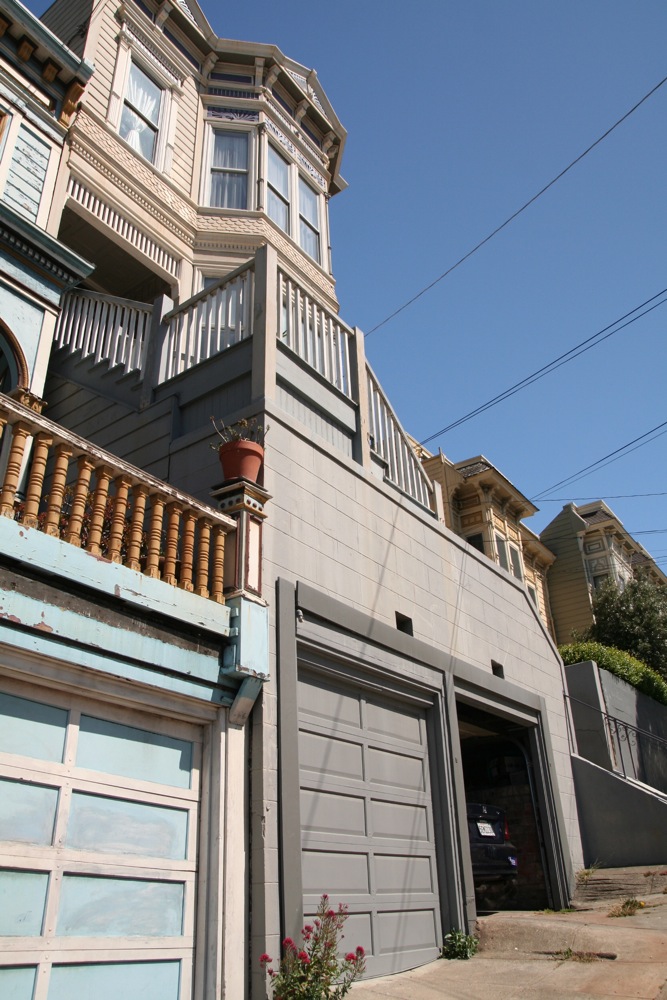
The Board of Supervisors yesterday unanimously passed an ordinance removing some of SF’s 1950s-era parking mandates.
The “Parking Flexibility Ordinance,” drafted by Supervisors President London Breed and Livable City, will make it easier for building owners and developers to avoid building car parking when it would impinge on the street environment for walking, bicycling, and transit. It would also count parking spaces against density limits, unless they’re built underground.
The ordinance adds to the city’s efforts in recent years to relax strict parking minimums. Among the host of reasons to do away with parking minimums: They generate motor vehicle traffic and make it more costly to build housing.
“Do we really want to prioritize parking over jobs and housing?” Breed aide Conor Johnston said at a recent Supervisors Land Use and Transportation Committee hearing, explaining that the planning code amendments would “not limit anyone’s ability to construct parking if they choose, they simply give people more options.”
The ordinance was passed unanimously, without discussion, by both the full Board of Supervisors and the committee.

Read More:
Streetsblog has migrated to a new comment system. New commenters can register directly in the comments section of any article. Returning commenters: your previous comments and display name have been preserved, but you'll need to reclaim your account by clicking "Forgot your password?" on the sign-in form, entering your email, and following the verification link to set a new password — this is required because passwords could not be carried over during the migration. For questions, contact tips@streetsblog.org.