AAA: Distracted Driving Now Standard in New Cars, Thanks to In-Dash Devices

Distracted driving isn’t just about texting — it’s the mental effort of multi-tasking that makes people less alert and more dangerous behind the wheel. As hands-free devices like in-dash, voice-activated computer systems proliferate in new-model cars, they create additional risks. Using these devices can cause lingering distractions for up to 27 seconds after the task is completed, according to new research from AAA [PDF].
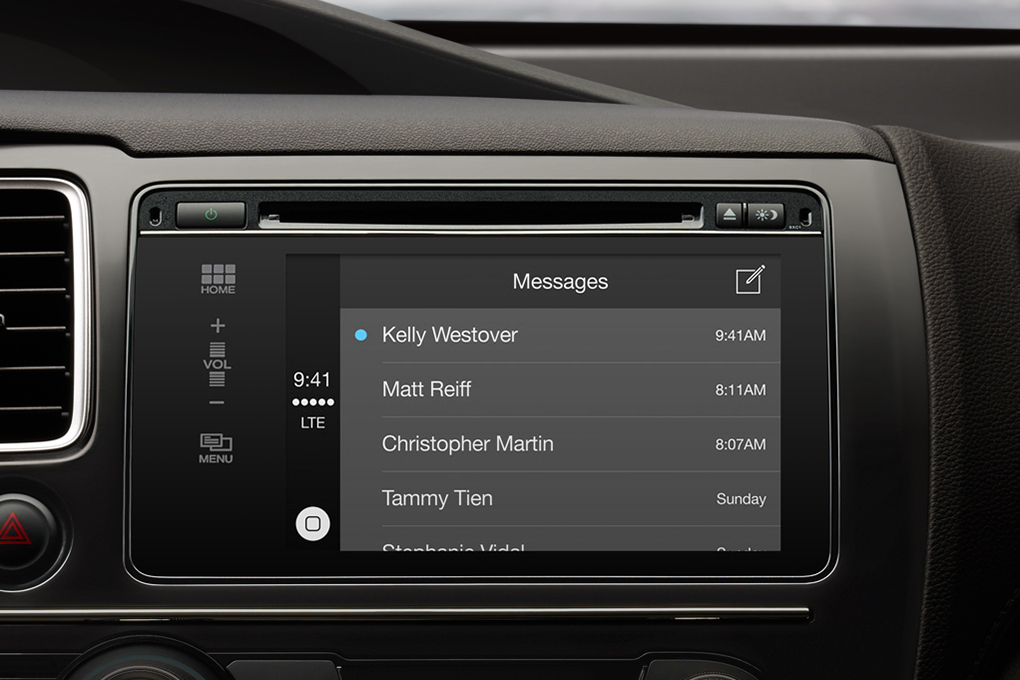
The researchers measured how well people could focus on driving while using “in-vehicle information systems” that allow them to perform tasks like making calls or browsing music with voice commands, compared to their focus while doing nothing but driving.
Researchers observed 257 drivers and found that certain types of hands-free activities — like composing texts or emails — were highly distracting and resulted in “long-lasting residual costs after… interactions had terminated.” The effects did not diminish as people got more practice with the systems, and distraction was greater among older drivers than younger drivers.
The study used a speech-to-text system that was “perfectly reliable.” Each participant’s speech was entered into the computer system by a research assistant. So transliteration problems with Siri were not a factor in drivers’ distractedness.
The study comes as hands-free computer systems that enable electronic communication are becoming standard equipment. The National Highway Traffic Safety Administration is currently developing “voluntary guidelines” for automakers to help minimize the safety problems, AAA reports, but has not yet proposed more binding restrictions on this type of technology.

Read More:
Streetsblog has migrated to a new comment system. New commenters can register directly in the comments section of any article. Returning commenters: your previous comments and display name have been preserved, but you'll need to reclaim your account by clicking "Forgot your password?" on the sign-in form, entering your email, and following the verification link to set a new password — this is required because passwords could not be carried over during the migration. For questions, contact tips@streetsblog.org.