American Traffic Engineering Establishment Finally Approves Bike Boxes


The wheels of change grind slowly at the institutions that guide the American traffic engineering establishment, but they are moving forward.
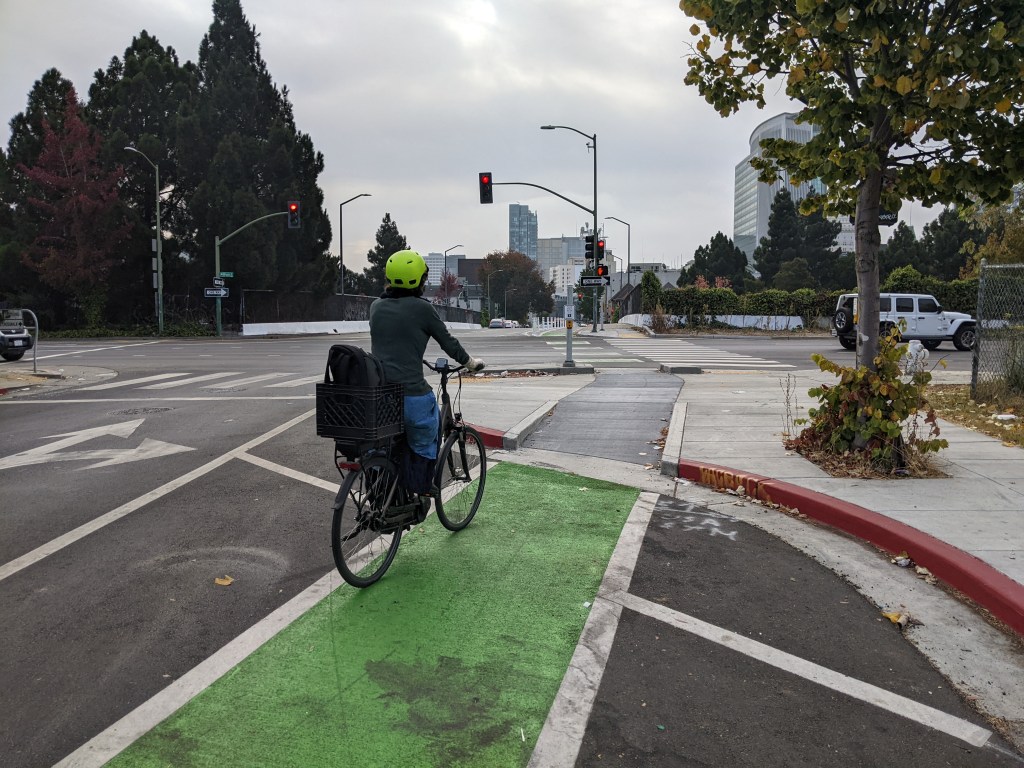
This week, U.S. DOT issued interim approval for bike boxes [PDF], a treatment that positions cyclists ahead of cars at intersections.
Dozens of American cities currently use bike boxes — some for the better part of the past decade — and the federal government is now satisfied enough by the results to conclude that they lead to “reductions in conflicts between bikes and turning drivers” and less crosswalk encroachment by both drivers and cyclists.
Cities installing bike boxes will still have to submit a request for “interim approval” to the Federal Highway Administration until a final rule is adopted, but now bike boxes will be perceived as less risky by transportation engineers.
The committee responsible for approving new bike infrastructure treatments for the Manual on Uniform Traffic Control Devices recommended approval of bike boxes nearly three years ago. The same group has been dragging its feet on protected bike lanes, a key obstacle to their widespread installation.

Read More:
Streetsblog has migrated to a new comment system. New commenters can register directly in the comments section of any article. Returning commenters: your previous comments and display name have been preserved, but you'll need to reclaim your account by clicking "Forgot your password?" on the sign-in form, entering your email, and following the verification link to set a new password — this is required because passwords could not be carried over during the migration. For questions, contact tips@streetsblog.org.