Will Detroit Give the Dream of Better Transit Another Shot in 2018?

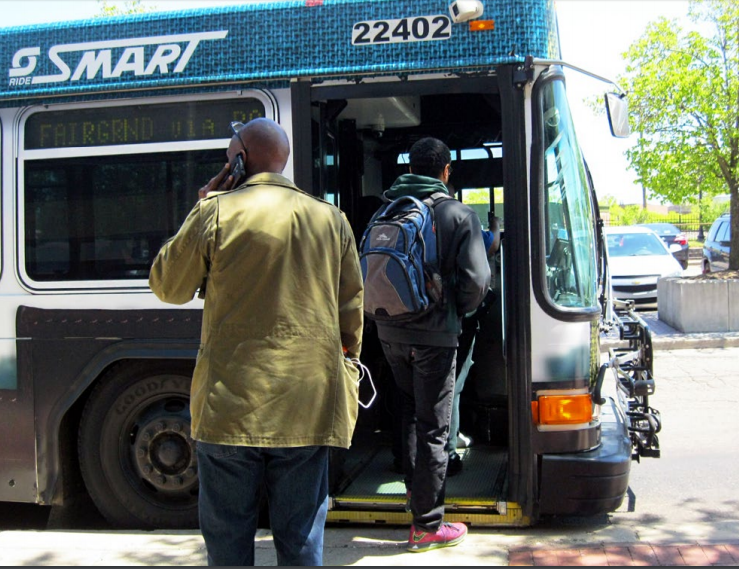
James Robertson became something of a national folk hero after the Detroit Free Press profiled his mega-commute, which involved taking two buses and walking more than 10 miles each way to reach his factory job in the distant suburbs.
People were so moved by his work ethic that crowdfunding campaigns raised $360,000 for him. Thanks to that generosity, Robertson doesn’t have to rely on a disconnected and inadequate bus system. But many thousands of other Detroiters still do.
The city of Detroit operates one bare-bones transit system, and the suburbs run a separate patchwork system. Since the vast majority of employed Detroiters work in the suburbs, the threadbare service and lack of integration pose a lot of problems. Many suburbs — like the one Robertson worked in — have opted out of the suburban system altogether, closing off opportunity.
Last year, Detroit seemed poised to make real progress on connecting the region with an integrated transit network. Hostility from the predominantly white suburbs had stymied the idea for four decades, but county executives finally agreed to allow a ballot measure to fund a regional transit agency and a network of rapid bus lines connecting the city and distant job centers.
The ballot measure fell just shy of the majority it needed to pass, winning 49.5 percent of the vote. The margin was due to terrible returns in Macomb County, which went strongly for Trump.
After such a close defeat, an expected anti-Trump wave could buoy the transit measure over the top in 2018. But there are some ominous signs that the fragile political alliance that got the initiative on the ballot last year is falling apart.
RTA interim director Tiffany Gunter resigned last week after eight months in the position. She told Crain’s that she left because the agency did not make her position permanent. The RTA is also losing its transportation planner and now has no full-time staff, Crain’s reports.
Oakland County Executive Brooks Patterson and Macomb County Executive Mark Hackel were never strongly invested in the RTA. Between them, they control four of the nine votes on the RTA board. The gutting of the agency since the November election reflects their apathy, say advocates.
The RTA “pretty much gave up and closed shop” after November, the advocacy group Transportation Riders United wrote following Gunter’s departure. It’s up to Detroit Mayor Mike Duggan and Wayne County Executive Warren Evans to keep fighting for better transit. The TRU will be mobilizing Detroiters to demand that regional political leaders work toward an integrated transit system.

Read More:
Streetsblog has migrated to a new comment system. New commenters can register directly in the comments section of any article. Returning commenters: your previous comments and display name have been preserved, but you'll need to reclaim your account by clicking "Forgot your password?" on the sign-in form, entering your email, and following the verification link to set a new password — this is required because passwords could not be carried over during the migration. For questions, contact tips@streetsblog.org.