Post-COVID Car Sales Are on the Rise — Especially Sales of Trucks and SUVs

As COVID-19 lockdowns ease, car sales are beginning to climb — especially the kinds of cars that are most dangerous to pedestrians.
Total vehicle sales rose a stunning 40 percent from April through May 2020, according to the U.S. Bureau of Economic Analysis. More alarming, however, is how many of those new cars are huge: 78.3 percent of vehicles purchased last month were classified as “light trucks,” a federal umbrella term that includes most vans, pick-ups, and SUVs. Light trucks represented only 70 percent of the total vehicle market in 2019.
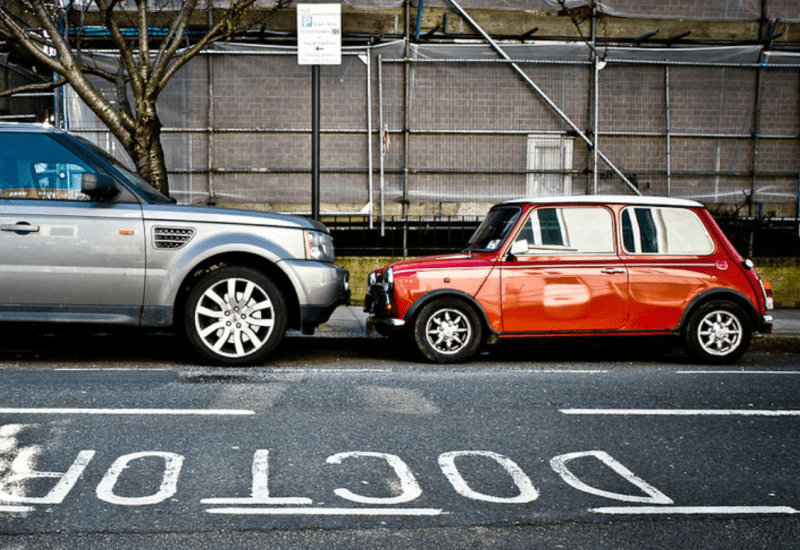
As countless studies have explored, the ever-rising proportion of mega-cars compared to smaller vehicles on our roads is tightly correlated with our ever-rising pedestrian death count over the past ten years. Pedestrians are twice as likely to die when they are struck by a driver operating an SUV-scale vehicle as opposed to a sedan-scale one, both because of their excessive weight and their tall design, which makes it more likely that a walker will bear the brunt of the impact at the head and neck.

The news isn’t all bad. Truck sales are still in the toilet when compared with their seemingly relentless 10-year climb in sales before the pandemic. But there are still six months left in 2020 for this disturbing trend line to continue upward.

The sale of urban assault vehicles has long propped up the American vehicle market, which has remained essentially flat since 2015. Smaller-vehicle sales have actually trended downward in the last six years, and have been a little slower to rise as shoppers head back to the dealerships. But they’re still up 25.4 percent over last month — not quite as quick a rise as light trucks, which are up 29.41 percent.

Even if the decline in total vehicle purchases may be heartening — and may signal a not-yet-fully-quantified shift to solo modes of sustainable transportation, such as biking, walking, and micromobility — experts argue that street safety advocates should stay vigilant of which cars are returning to road. And if the 2009 recession is any indication, this is likely just the beginning of the truckassaince — especially if rock-bottom gas prices and record levels of predatory and sub-prime vehicle financing persist.
If even a global pandemic and a spate of horrific images of police SUVs plowing into protesters couldn’t stop America’s love affair with giant, killer cars, that’s a sign that it’s past time to fundamentally uproot the many ways we encourage light-truck purchases in policy, planning, culture, and beyond. Until that happens, at we can take heart in this: For a brief and shining moment in April 2020, light-truck sales plummeted 73 percent from the same month the previous year — and showed us that, despite what nearly every aspect of our society says, it is possible to dethrone the mighty SUV.

Streetsblog has migrated to a new comment system. New commenters can register directly in the comments section of any article. Returning commenters: your previous comments and display name have been preserved, but you'll need to reclaim your account by clicking "Forgot your password?" on the sign-in form, entering your email, and following the verification link to set a new password — this is required because passwords could not be carried over during the migration. For questions, contact tips@streetsblog.org.