Legislative Update: Newsom Signs Bill Giving Pedestrians Priority at Signals


Governor Newsom has signed A.B. 2264 from Assemblymember Richard Bloom. This new law will require cities and transportation engineers to incorporate a Leading Pedestrian Interval (LPI) into “traffic-actuated” signals, which detect traffic and respond by giving waiting vehicles a green light. These signals are already required to detect bicycle and motorcycle traffic.
The new law requires them to adjust the red/green cycle to include a “walk” signal lasting three to seven seconds that begins before the signal turns green for car traffic. It applies in residential and business districts, safety corridors, school zones, and areas with a high concentration of pedestrians and cyclists. The LPI must be added when signals are newly placed or undergo maintenance.
The purpose is to give pedestrians a head star, allowing them to begin crossing the street while all vehicle approaches are stopped.
The bill’s analysis says that
Caltrans contends that LPIs 1) increase pedestrian visibility; 2) reduce conflicts between pedestrians and vehicles; 3) increase the likelihood of motorists yielding to pedestrians; and 4) enhance safety for pedestrians who may be slower to start into the intersection. Additionally, costs for implementing LPIs are very low, since only minor signal timing alteration is required. This makes it an easy and inexpensive countermeasure that can be incorporated into pedestrian safety action plans or policies and can become routine agency practice. Caltrans also indicates that LPIs can reduce pedestrian-vehicle crashes by approximately forty percent.
LPIs are already in use in numerous places, including in California. Studies have found reductions in pedestrian-vehicle crashes of between 13 and 46 percent. Surveys have found that pedestrians feel safer crossing where an LPI has been installed.
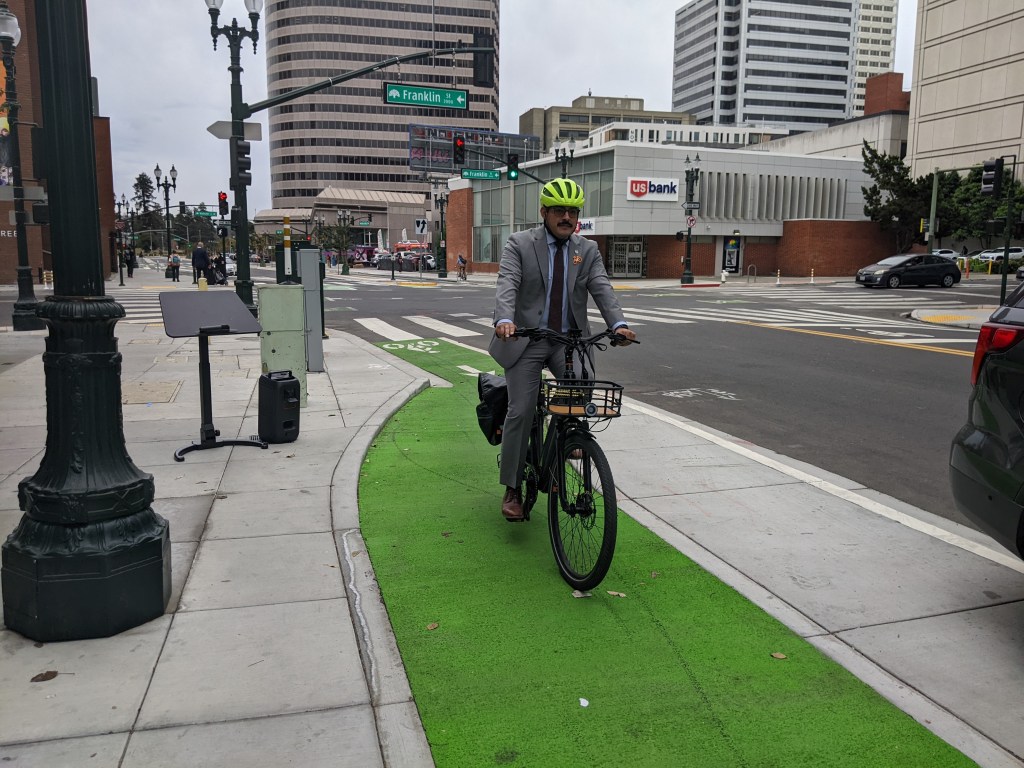
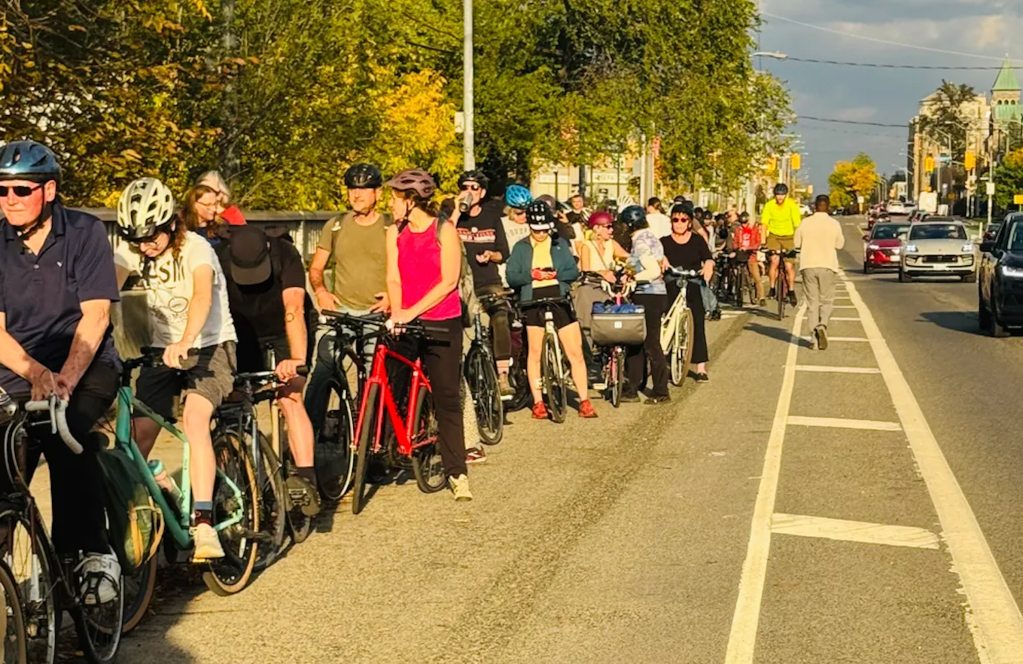
With the signing of A.B 1909, the Bicycle Omnibus bill, the law now also clearly states that the head start given by LPIs also apply to bike riders.

Read More:
Streetsblog has migrated to a new comment system. New commenters can register directly in the comments section of any article. Returning commenters: your previous comments and display name have been preserved, but you'll need to reclaim your account by clicking "Forgot your password?" on the sign-in form, entering your email, and following the verification link to set a new password — this is required because passwords could not be carried over during the migration. For questions, contact tips@streetsblog.org.