Newsom’s Budget Revision Ignores Transit

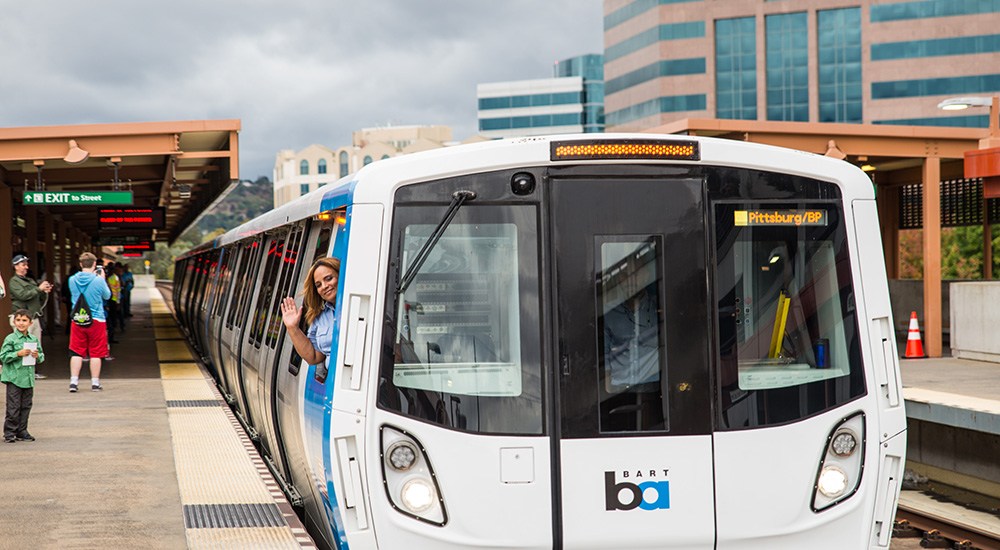
Despite increasingly desperate pleas and op-eds from multiple quarters – including, most recently, a letter from a very long list of environmental groups, transportation reformers and even some transit agencies – Governor Gavin Newsom continued to completely ignore public transportation in his revised budget. If passed without amendments, Newsom’s revised budget would leave transit agencies facing a $6-8 billion deficit over the next 5 years.
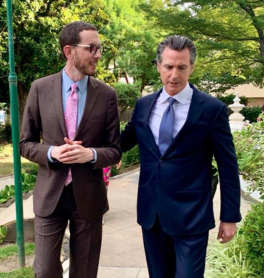
But it’s not just advocates frustrated with Newsom’s budget. Senator Scott Wiener, Chair of the Housing Committee, released a statement criticizing the proposed budget. Wiener appears frustrated that the Governor recognizes the “fiscal cliff” that transit agencies face without offering more resources:
“If we don’t address the transit fiscal cliff, we will see massive and devastating transit service cuts, deeply harming the millions of Californians who rely on transit to get to work, school, or the grocery store. I’m disappointed the Governor’s revised budget proposal continues to cut billions in transit capital funding and disappointed the proposal continues to lack any funds to address the fiscal cliff,” said Wiener. “Public transportation isn’t optional, and failing to address the massive budget shortfalls our transit systems face would be disastrous for our state’s climate goals and Californians’ ability to get around. I’m grateful the Governor is committing to work with the Legislature to address this critical issue, and I look forward to collaborating to protect public transportation and the vital services it provides Californians.”
With federal pandemic relief funds due to expire soon, transit agencies across the state are facing a projected budget shortfall estimated at $6-8 billion over the next 5 years. The problem affects major agencies up and down the state like LA Metro and BART. Without state funding, agencies will be forced to begin service cuts later this year, with MUNI projected to begin cutting 20 bus lines later this summer. In the worst case, service cuts lead to further loss of revenue and more service cuts, in a death spiral that would devastate the transportation system for years to come.
Wiener has an alternate proposal to the governor’s proposal which addresses the shortfall by increasing flexibility within existing transit capital programs, directing diesel tax revenues to transit operations, directing currently unallocated cap and trade revenues to transit operations, and directing a portion of the increase in federal highway funding to address fiscal shortfalls. These proposals would cumulatively have a General Fund impact of just $213 million in next year’s budget.

Read More:
Streetsblog has migrated to a new comment system. New commenters can register directly in the comments section of any article. Returning commenters: your previous comments and display name have been preserved, but you'll need to reclaim your account by clicking "Forgot your password?" on the sign-in form, entering your email, and following the verification link to set a new password — this is required because passwords could not be carried over during the migration. For questions, contact tips@streetsblog.org.