Op-Ed: Include Automated Metro as Option in Geary Subway Planning
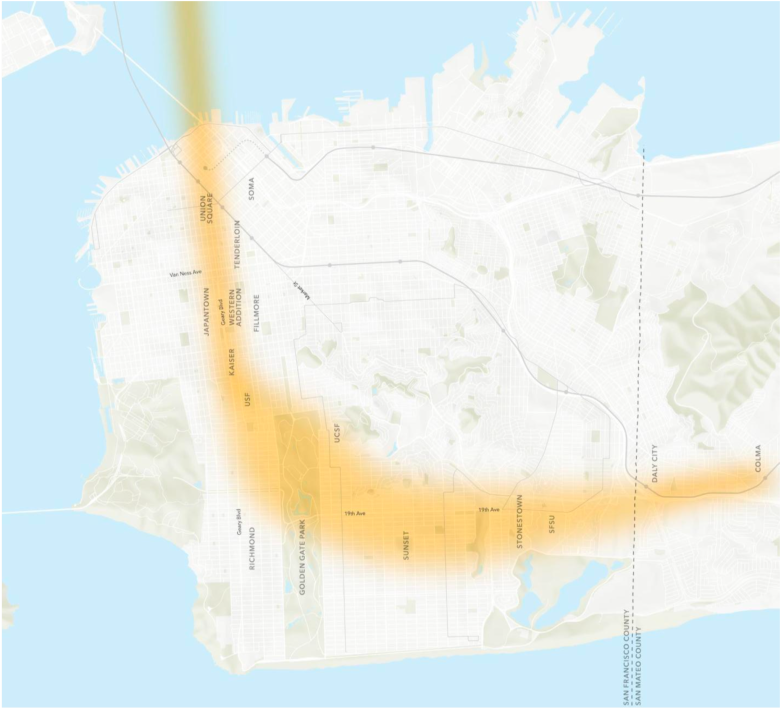
Last week, staff from the San Francisco County Transportation Authority, San Francisco’s independent transportation planning agency, presented a summary of their draft regional connections study for a Geary/19th Ave Subway. This vital project would finally connect the city’s western neighborhoods to downtown with fast, reliable transit.
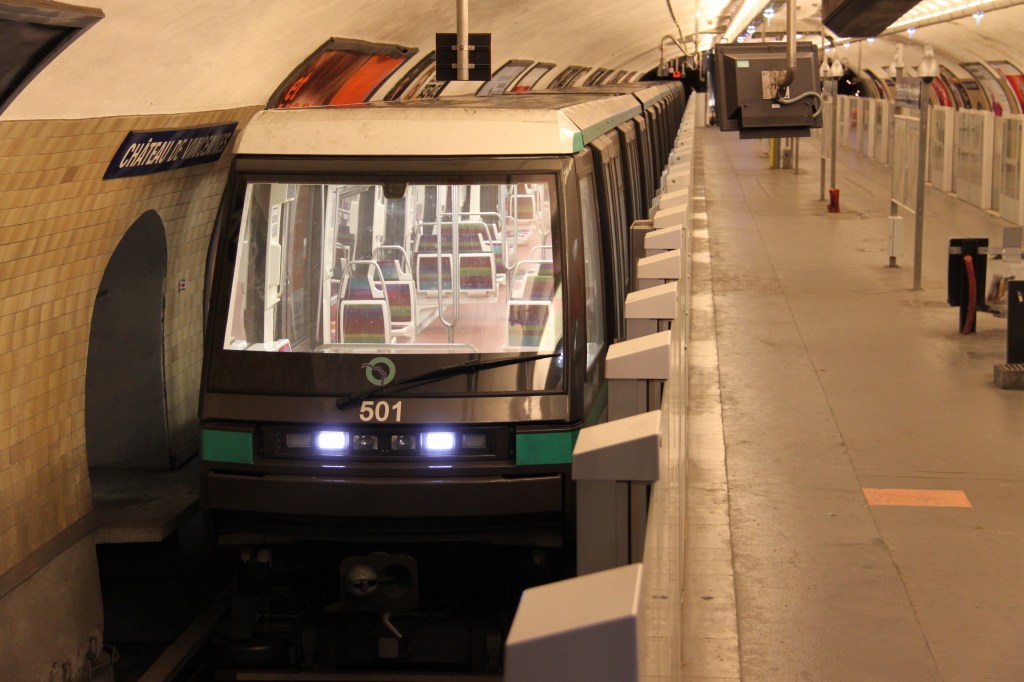
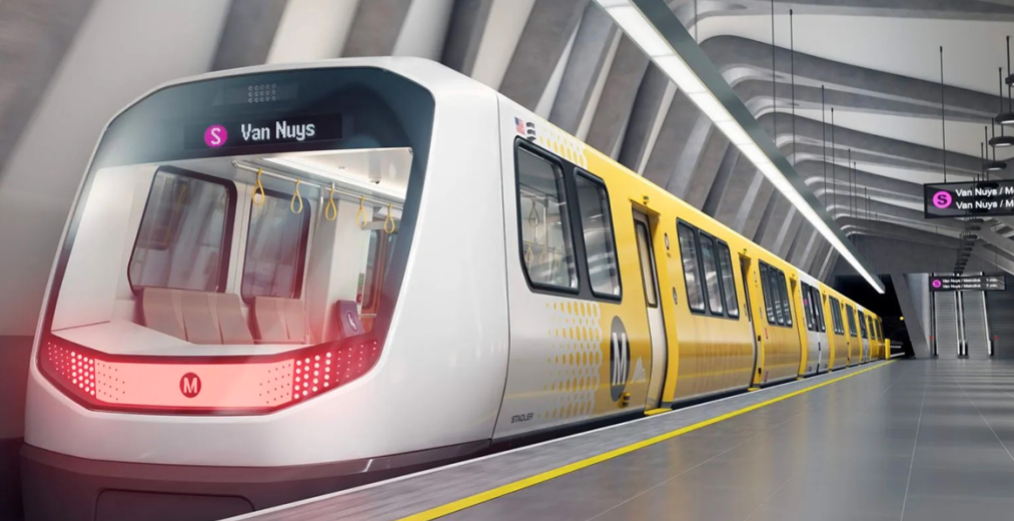
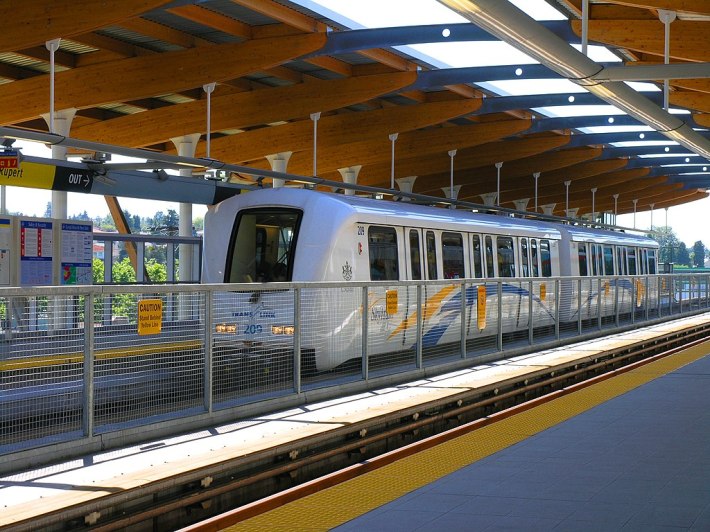
But the preference for regional connectivity could end up excluding what might be the most cost-effective, most capable rail option: an automated light metro. Frequent, driverless trains have proven their worth with systems such as the SkyTrain in Vancouver, the automated lines of the Paris Metro, or the Copenhagen subway. The most recent examples are the REM in Montreal and Honolulu’s HART system. This is also the preferred option for the planned Sepulveda line in Los Angeles.
SFCTA’s strategic-level study is the first step in a long planning process, but the conclusions it provides will form the basis for later, more detailed phases. This oversight could easily snowball into years of delays and spending tens of billions more than cost-effective alternatives.
The study finds that a San Francisco-only subway would attract between 160,000 and 180,000 daily riders, roughly equal to the average weekday ridership of the entire BART system in Q4 2025. It goes on to state that a “regional rail” system that continues on to the Peninsula and East Bay could have 310,000 daily riders. This jump in ridership, they say, will make a Geary/19th subway more likely to secure state and federal funding.
What the presentation does not articulate is that emphasizing regional connectivity could collapse the universe of possible solutions to one option: large, heavy, and expensive “conventional” trains designed to meet Federal Railroad Administration (FRA) design standards, meant to protect intercity trains during collisions with freight trains or vehicles at railroad crossings. These dangers, obviously, would not be present in the tunnels under Geary. The current plan for a second transbay tunnel will only serve FRA-compliant equipment, and FRA regulations forbid tracks being shared between compliant (e.g., Caltrain, CAHSR, Capitol Corridor) and noncompliant (BART, Muni Metro, SFO People Mover) equipment during operation. Additionally, the extra weight and size will increase the minimum necessary tunnel size and depth, significantly increasing construction costs. Placing a specific emphasis on regional connectivity will have significant, but unacknowledged, impacts on project feasibility, scope, and cost.
The study provides a “planning level” estimate of $20-30 billion, but this estimate also omits important context:
First, this estimate appears to be informed by the average costs of BART Silicon Valley and the Central Subway, despite ample evidence that these projects, along with most other projects completed in North America in recent years, could have been completed at a fraction of the cost (and in line with peer nation averages). This baseline effectively sets the expectation that we will make the same mistakes and wasteful compromises, or at the very least removes any pressure to do better than in the past. If you make the reasonable assumption that we can achieve a similar inflation-adjusted cost for tunneling and station construction as the Central Subway (which itself is still significantly above the cost for peer nations), a subway through the study corridor would cost $10-15 billion.
Second, while $20-30 billion is a realistic estimate for a BART-style subway system (in San Francisco), you may recall that the original intent of this regional concept would be connections to the Peninsula and the East Bay. This is the largest planning risk of this project: this oversized infrastructure provides negligible benefit over a traditional subway system unless it is complemented by the Link21 transbay tunnel ($20-30 billion) and significant investment into a new dedicated passenger right-of-way in the East Bay, which itself could add tens of billions.
Third, a regional rail service would provide a worse rider experience than an automated metro. Automated metros use physically smaller station infrastructure, which could save years of construction time in an initial buildout. The ease of adding additional trains during busy periods allows for much more flexible operation and enables trains spaced as little as 90 seconds apart. In contrast, regional rail trains have higher operating costs, so train frequencies will be much less, meaning you must wait longer, and the risk of boarding a packed train is higher.
Here’s the good news: SFCTA is actively seeking input from the public, so there is still time to shape the final report.
Here’s the bad news: There are only two more public comment sessions before they complete a final report. The first is today/Thursday, March 5, from 6-7:30 p.m. on Zoom. The second is Saturday, March 7, from 10-11:30 a.m., also on Zoom.
Ask SFCTA to ensure future studies prioritize alternatives using cost-per-rider and delivery risk analysis, and to include an automated light metro option with simple transfers to BART and Caltrain. If you’re reading this after March 7, email or call your supervisor and ask them to ensure the final study does not default to a regional rail concept for Geary and 19th.
***
Robert Hoffman is a transportation policy analyst and a former legislative aide. He lives in SoMa.
Streetsblog has migrated to a new comment system. New commenters can register directly in the comments section of any article. Returning commenters: your previous comments and display name have been preserved, but you'll need to reclaim your account by clicking "Forgot your password?" on the sign-in form, entering your email, and following the verification link to set a new password — this is required because passwords could not be carried over during the migration. For questions, contact tips@streetsblog.org.