Study: Only Protected Bike Lanes Cause a Real Increase in Cycling

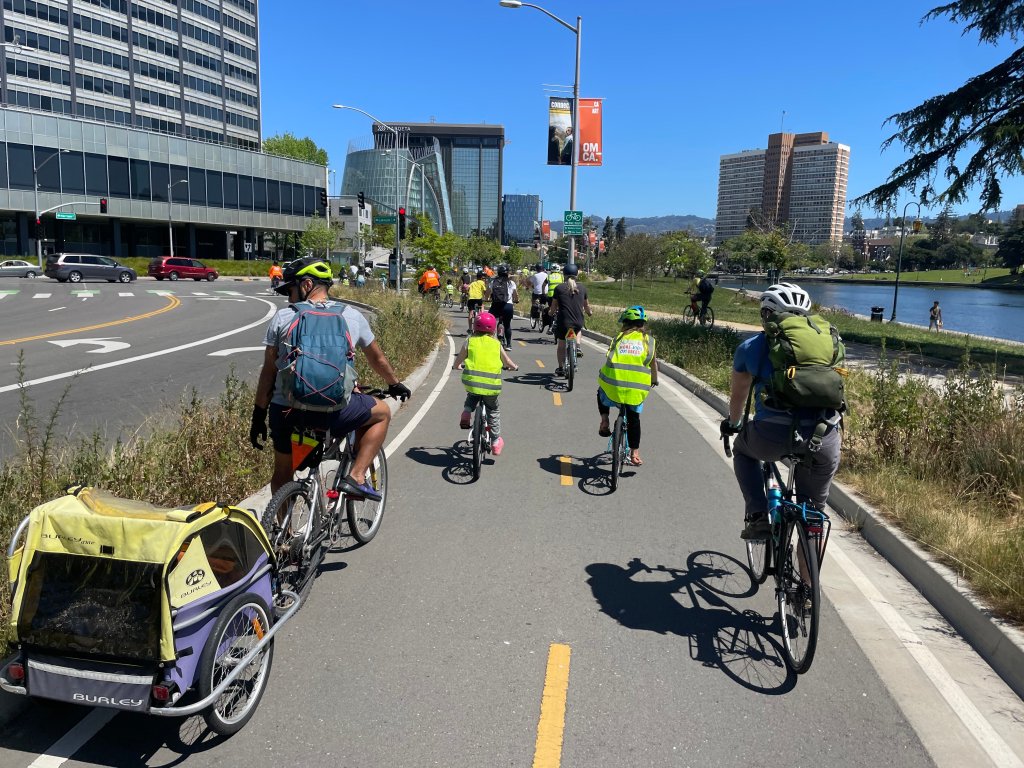
There are plenty of studies to show that paint-only bike lanes don’t make cycling safer and may, at times, even make it more dangerous. The counter is always: well, it’s better than nothing, and any kind of bike markings encourage cycling. But new research co-authored by San Francisco’s own Marcel Moran, now a professor at the School of Planning, Policy, and Environmental Studies at San Jose State, suggests even that’s not quite the case.
In Heterogeneous impacts of protected bike lanes on bikeshare behavior across demographic groups in New York, Moran and his co-authors looked at bike share stations and, adjusting for demographic factors, the relative effect of protected bike lanes versus sharrows and painted lanes on ridership. What they saw was that only “protected bike lanes in New York City causally increase bikeshare trips, an effect not present for painted bike lanes and sharrows.”
The key word there is “causally.”
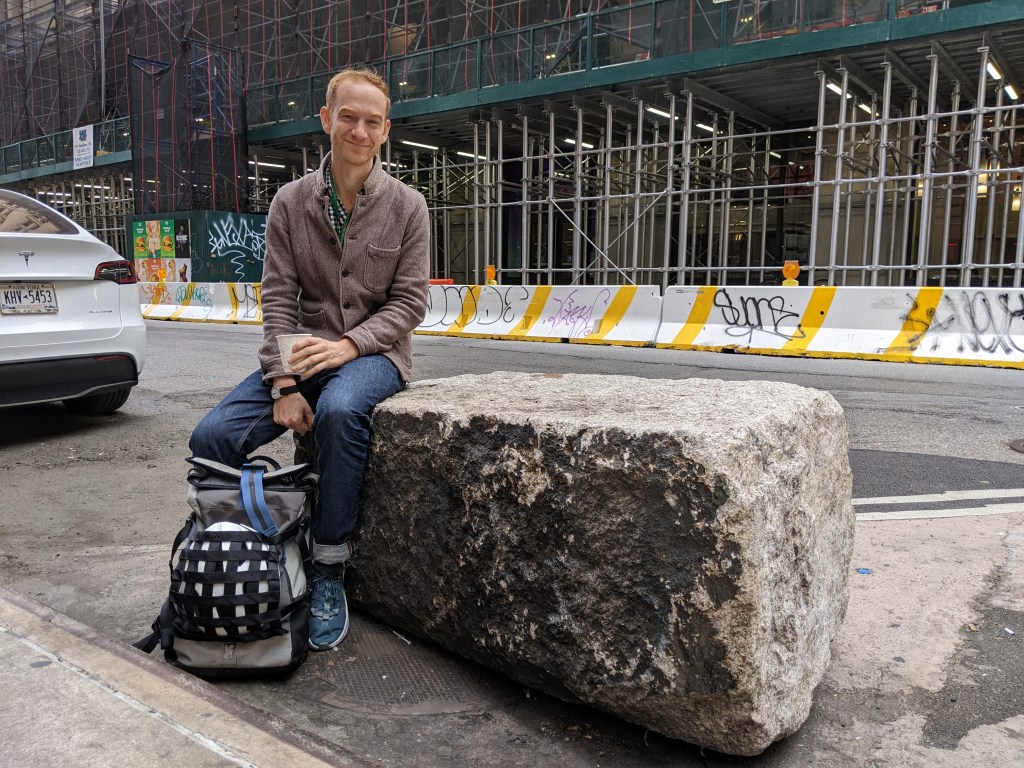
“What we found in New York City analyzing roughly 72 million Citi Bike trips–that protected bike lanes increase bike-share ridership–likely holds in Bay Area cities as well,” Moran told Streetsblog. “Years of research on protected bike lanes, including our study, show that not only do they increase biking, but they can also increase the diversity of who bikes, including among older adults. Berkeley, Oakland, San Jose, and San Francisco have made meaningful investments in protected bike lanes, to their credit, and the more they emphasize that type of infrastructure, and fill in current bike-network gaps, we expect ridership to increase, bringing with it a host of benefits in terms of sustainability and physical activity.”
The study cautions, however, that:
There are several limitations to this analysis. The first is the assumption that if a Citi Bike station lies adjacent to a specific type of bike lane, it reflects the infrastructure of the entire trip in question. Second, the three categories used here for bike lanes in New York City (protected, painted, and sharrows) inherently mask some heterogeneity in these facilities. For example, some bike lanes are ‘protected’ by plastic posts, others by a lane of parked cars, and others by concrete barriers, each of which likely influences cycling behavior to different extents.
The research digs deep into the many other factors that encourage or deter potential bike riders to establish causation rather than correlations with different bike lane types. Be sure to check out the full study. Or give a listen to Moran’s discussion of the research on Bike Talk. It starts at 18:30.
The takeaway for cities: “The best bang for your buck is protected bike lanes,” Moran told Bike Talk‘s Nick Richert. “Really focus on bike infrastructure that’s protected. That’s how you grow ridership. That’s how you diversify ridership.”

Streetsblog has migrated to a new comment system. New commenters can register directly in the comments section of any article. Returning commenters: your previous comments and display name have been preserved, but you'll need to reclaim your account by clicking "Forgot your password?" on the sign-in form, entering your email, and following the verification link to set a new password — this is required because passwords could not be carried over during the migration. For questions, contact tips@streetsblog.org.