Two-Item Tuesday: SPUR Refutes ‘Flexed Spending’ Canard

Here are two quick update stories of interest to the safe and livable streets community.
Advocates call out the ‘Flexed Spending’ ruse
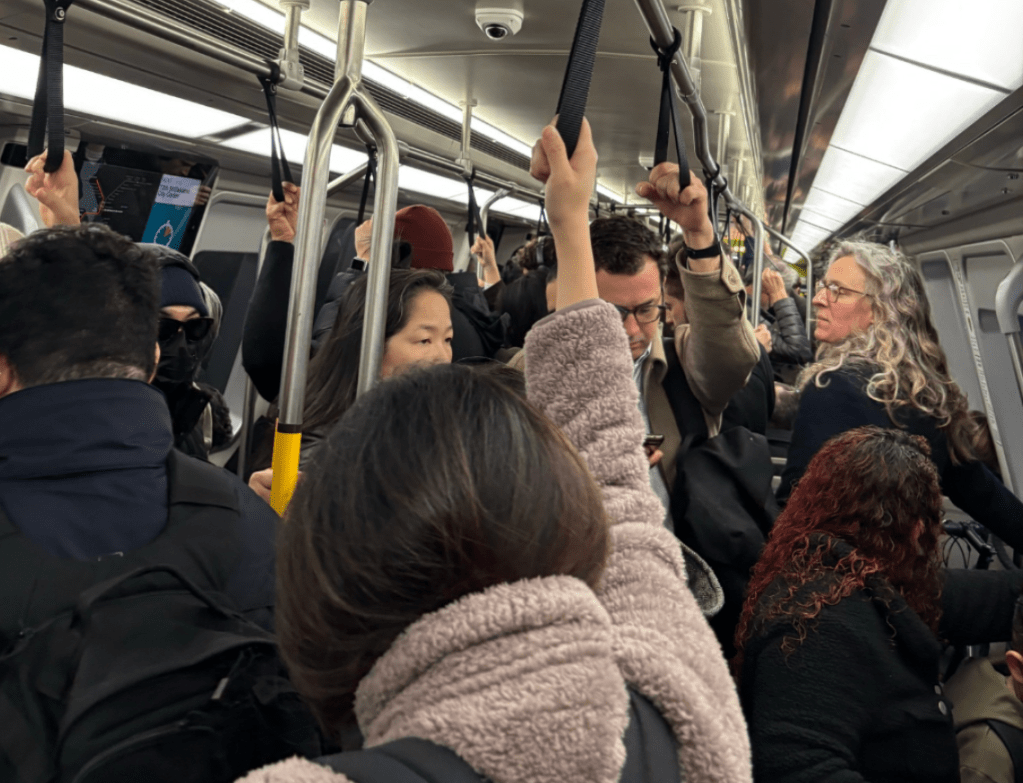
Oil shills and other opponents of funding transit have a new “argument” they’ve been using against the upcoming regional transit measure that will appear on the November ballot: just take money from capital projects to fund operations.
Sure, that’s a great idea if the real objective is to destroy both. From a new report from SPUR:
Some tax opponents have suggested that other transit funding designated for capital projects could be “flexed” or shifted to fill operating deficits. SPUR investigated that idea and determined that flexing money from capital to operations isn’t a viable response to the immediate funding crisis.
SPUR supports this conclusion with numerous points including:
- Most capital funding cannot be used for operations. 77% of transit capital spending comes from state and federal sources with legal restrictions on how the money can be spent. The rest comes largely from local taxes that transit agencies do not directly control.
- Capital dollars are often committed to specific projects. State and federal grants come with detailed, multi-year funding agreements that impose strict legal conditions and requirements on use.
- The limited funding that can be “flexed” is nowhere near enough to solve the operating deficit. The Bay Area’s transit agencies face recurring annual deficits. One-time capital dollars cannot sustainably fund ongoing service.
- Large-scale flexing would require decisions by other governments. Redirecting capital dollars largely would require action by the State Legislature, the Federal Government, or the Metropolitan Transportation Commission. Even if there was political will to do this, this cannot realistically provide the funding needed to prevent service cuts beginning in 2027.
- Raiding capital funds comes with real costs. Diverting local matching dollars can mean forfeiting much larger state and federal grants. And deferring maintenance can reduce reliability, increase future costs, and make transit service worse.
Bottom line is passage of the Connect Bay Area regional transit measure and the Stronger Muni for All measure in San Francisco is the only realistic way to avoid severe service cuts for the Bay Area’s fiscally struggling transit operators. Period.
For the full analysis, check out the report.
And as a symbol of what happens when transit is short-changed
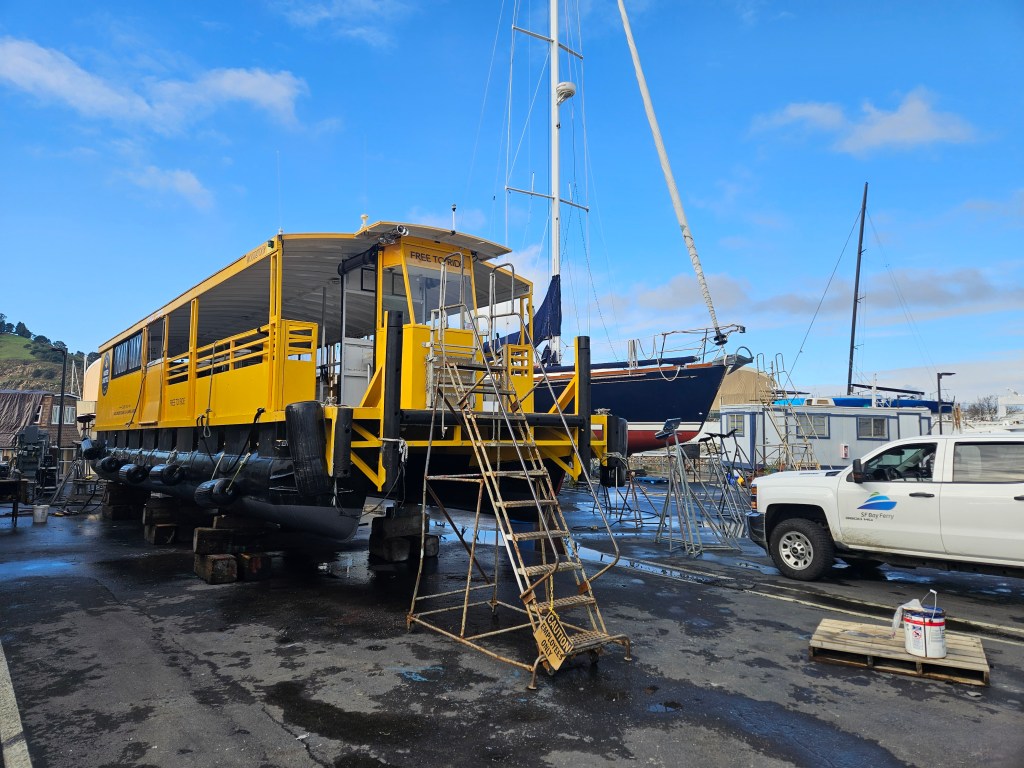
Woodstock, the popular water shuttle that connects Oakland and Western Alameda, was supposed to go back into service last weekend. Unfortunately, while the replacement engines have arrived, were installed, and work fine, a new problem surfaced—literally.
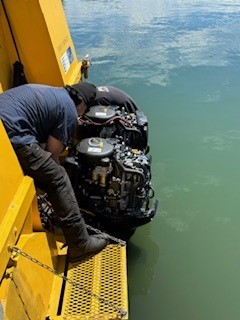
“The engines have been installed and were functioning as of Saturday morning. But we found a small fracture on a bracket above the waterline and are now welding a repair,” explained S.F. Bay Ferry’s Tom Hall.
The little boat that could was taken out of service on August 4 when they blew a gasket in one of Woodstock’s two engines. They mounted the backup engine, but then it failed too. And, as mentioned, when they had the boat out of the water, they noticed the crack, which Hall said isn’t serious, but would require yet another suspension of service in the future if they didn’t fix it now. “We anticipate return to service later this week,” he said. “A little more pain now to avoid a lot more pain next month. “
Bottom line, the estuary service requires at least two purpose-built boats so when one has to be taken out of service, there’s another boat available. Otherwise, transit becomes something people can’t depend on. This service may officially still be a “pilot.” But it’s become a vital link. The powers that be need to update their thinking about how it is funded. Fortunately, that’s happening.
“We’re participating in the City’s ongoing study into the future of the service, which will determine that path (new build vs. retrofit),” said Hall. “Obviously, propulsion is one part of the equation and Woodstock’s hull and superstructure need to be evaluated as well. Identifying funding sources to enhance the service and its reliability will also be a part of that.”
UPDATE: 4:40 p.m. “The Oakland Alameda Water Shuttle will resume service at 7:20 AM on Wednesday 8/26/26” according to SF Bay Ferry.

Streetsblog has migrated to a new comment system. New commenters can register directly in the comments section of any article. Returning commenters: your previous comments and display name have been preserved, but you'll need to reclaim your account by clicking "Forgot your password?" on the sign-in form, entering your email, and following the verification link to set a new password — this is required because passwords could not be carried over during the migration. For questions, contact tips@streetsblog.org.