Angled Parking Perpetuates Hazards

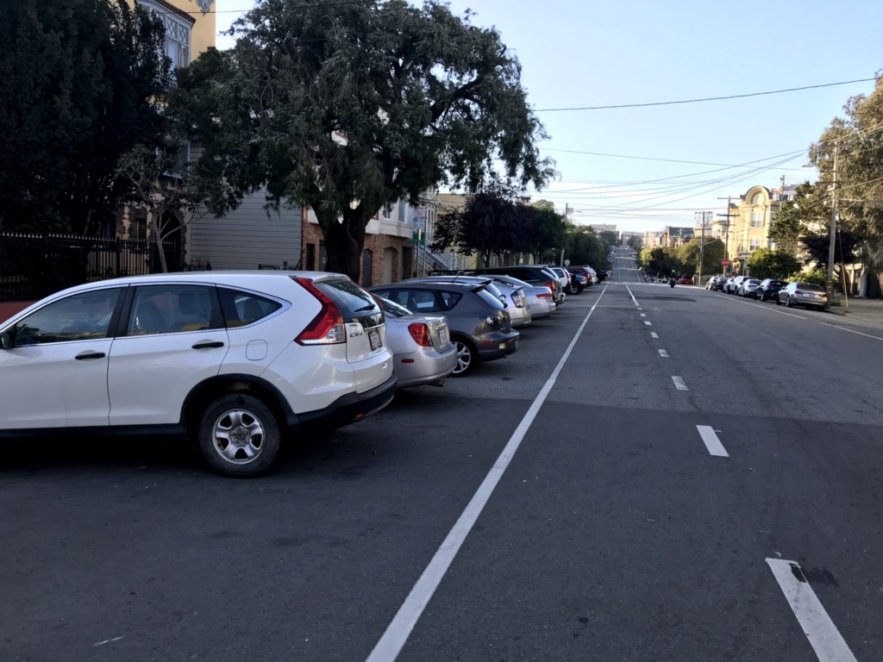
It’s a familiar compromise when adding a protected bike lane or other safety measures on a shopping street: SFMTA or OakDOT or whatever city’s transportation agency will promise merchants to replace any lost car parking by converting adjoining streets from parallel parking to angled.
The problem, according to a new study, is moving the parking also moves the danger for cyclists and other vulnerable road users to that adjoining street. “Though angled parking is defended as a traffic-calming measure, numerous studies indicate that this layout is associated with higher rates of collisions than parallel parking,” writes Marcel Moran, author of What’s your angle? Analyzing angled parking via satellite imagery to aid bike-network planning and a researcher at the Department of City & Regional Planning at the University of California, Berkeley. Moreover, “Such a layout takes up nearly double the space in the right of way as does parallel parking, which leaves even less room for bike lanes.”
It also defeats a goal of reducing CO2 emissions, by continuing to take space from the street to provide free or nearly free parking to motorists, which just encourages more driving. “Such parking contradicts municipal priorities, including decreasing the use of automobiles,” finds Moran.
As he quantifies in the study, San Francisco omits parking angle from the city’s parking census. Therefore, good data doesn’t exist correlating speeds, collisions and its interaction with angled parking. Moran makes up for this using “satellite imagery to resolve this data gap, and calculates that San Francisco dedicates 50 miles of street curbs to angled parking. While some assume angled parking is a planning response to San Francisco’s famed hills, the majority of it occurs on streets with no incline at all. As to angled parking’s traffic-calming effect, this benefit appears to be non-existent in San Francisco; average vehicle speeds differed by less than a half-mile per hour between angled-parking streets and adjacent non-angled streets.”
From Streetsblog’s view, the study is compelling–and it doesn’t mean all angled parking is out of the question, if there’s still enough room for safe bike infrastructure. This view of Bay Street shows in some rare instances it might be possible to accommodate both, in this case with back-in parking:
But on most streets, the “compromise” of adding angled parking to make up for loss of parallel parking or as a traffic calming measure is based on false assumptions, as Moran’s study shows. And planners who design angled parking into projects are just kicking the city’s safety and emissions goals down the road–or, more accurately, around the corner.
Read the full study on Sage Journals.

Streetsblog has migrated to a new comment system. New commenters can register directly in the comments section of any article. Returning commenters: your previous comments and display name have been preserved, but you'll need to reclaim your account by clicking "Forgot your password?" on the sign-in form, entering your email, and following the verification link to set a new password — this is required because passwords could not be carried over during the migration. For questions, contact tips@streetsblog.org.
More from Streetsblog San Francisco

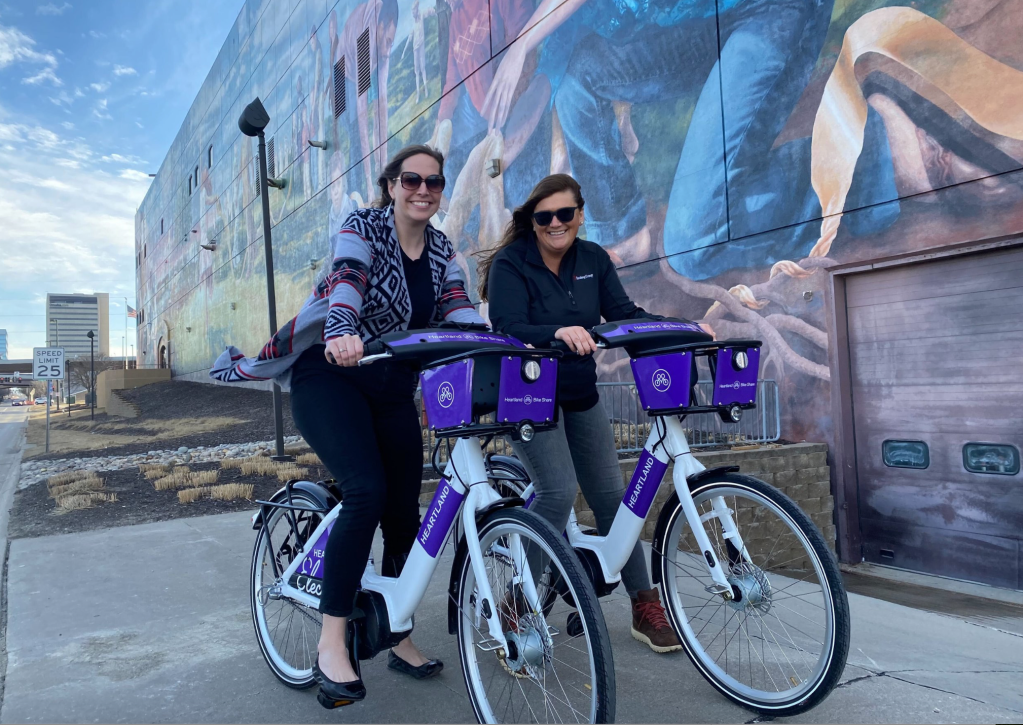
‘Best Bikeshare in America’: An Unexpected Community Launches Free, All-Electric Micromobility For Residents
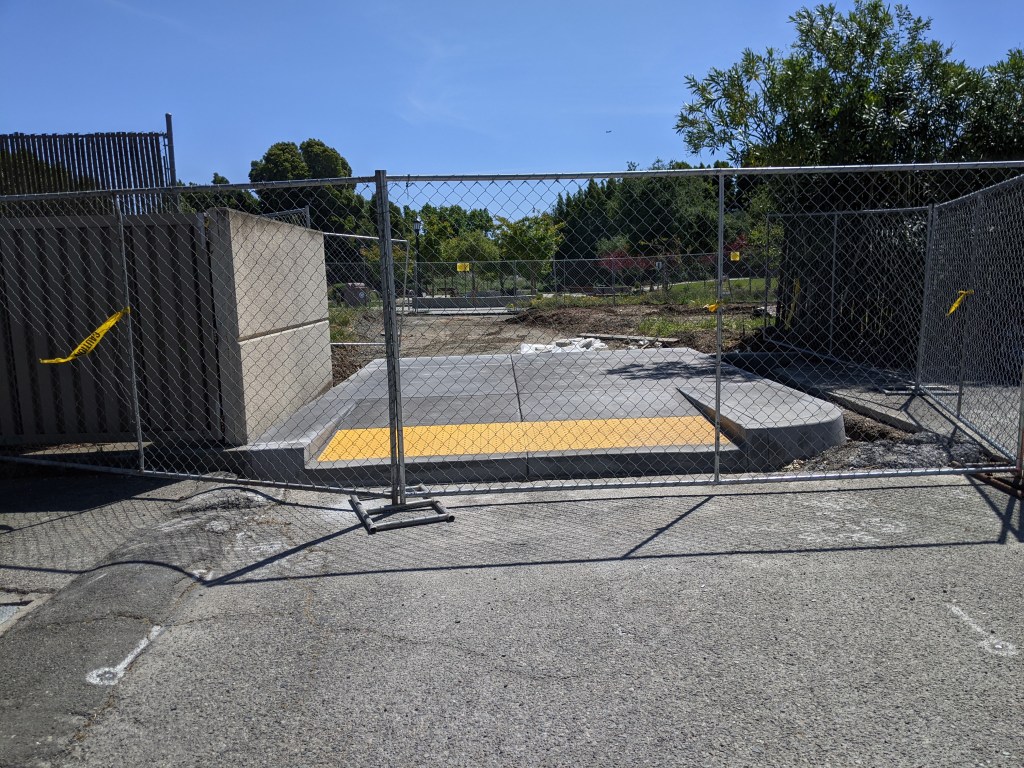
Eyes on the Street: Alameda Improves Access to Cross-Alameda Trail
Bill to Exempt L.A. from Housing Density Near-Transit Bill Heads to the Senate Housing Committee Tomorrow
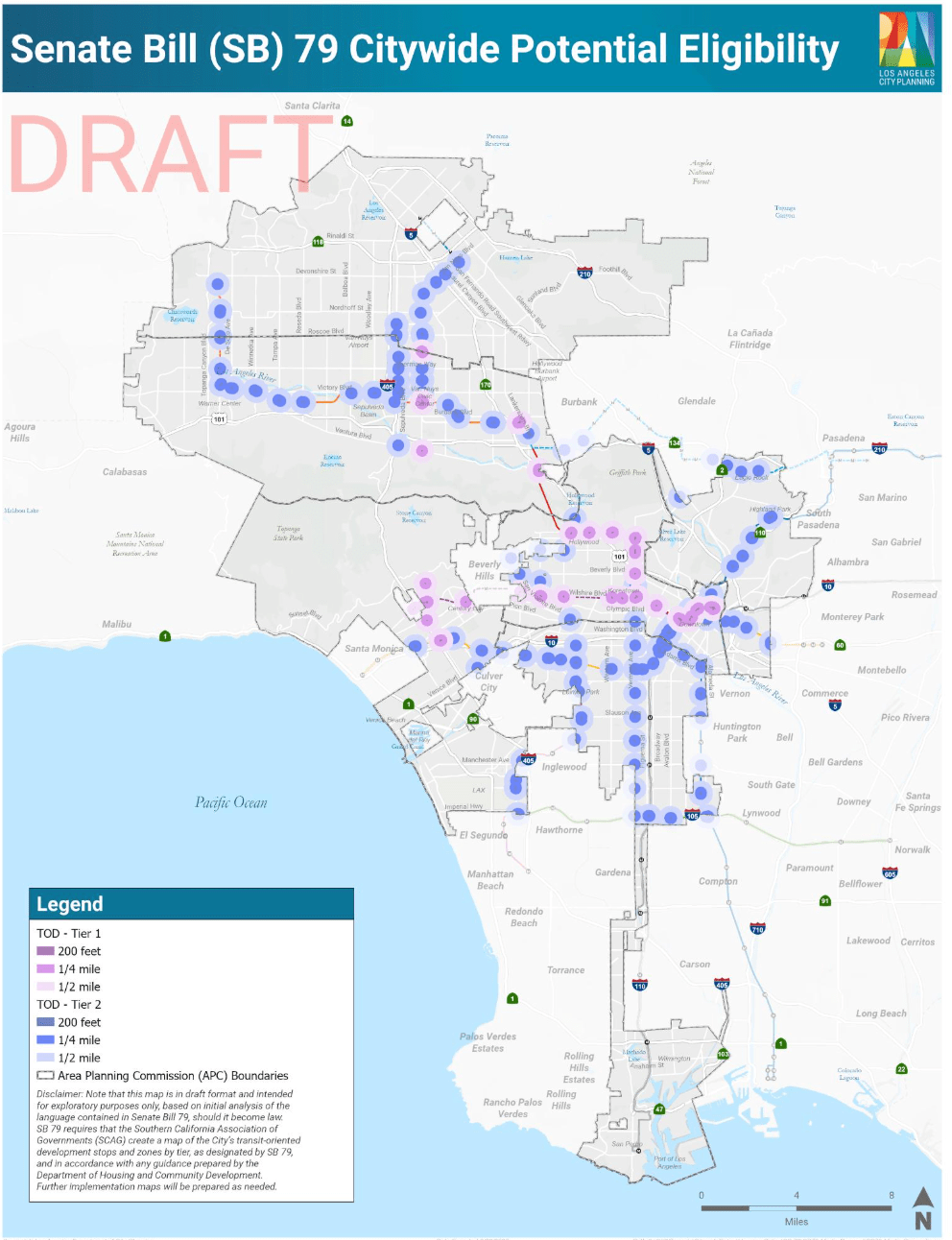
L.A. Metro and many Southern California city leaders are pushing for SB 1361, which would essentially carve L.A. County out from last year's pro-transit-oriented housing legislation SB 79
The post Bill to Exempt L.A. from Housing Density Near-Transit Bill Heads to the Senate Housing Committee Tomorrow appeared first on Streetsblog California.