“Green” Techie Futurism Is Not Reality-Based

Today on the Streetsblog Network,
we’re featuring a post from Alex Steffen at Worldchanging
that takes on the ever-burgeoning fetish for “green” technologies.
Everywhere you look these days, there’s talk of “going green.” But
Steffen, who’s been paying attention to these issues for 20 years, says
the ecofads are hopelessly inadequate.
His post, which is well worth reading in full, notes the depth of
self-deception involved in the idea that switching
a gas-powered car for an electric car, for instance, is going to
solve our global ecological problems:
“Green”
cars are not the answer. (Photo: Michael Cavén
via Flickr)I’ve gotten more than a little jaded about the
uptake of green
techie futurism in the media. See, I’ve covered sustainability since
1990, and so I know that what was the next wave of green ideas then
(hybrids, energy-saving appliances and CFLs, biofuels) is still “hot”
now. Widespread media uptake of 90s green ideas would be great, if
those ideas were not now woefully insufficient.Many of these ideas are still being presented as support for the
idea that we can conveniently retrofit North American 20th Century
suburban life for the 21st Century. We still see hundreds of stories a
day promoting the Swap — the idea that we can change the components of
suburban, high-consumption, auto-dependent lives without have to change
the nature of those lives — but that idea itself is
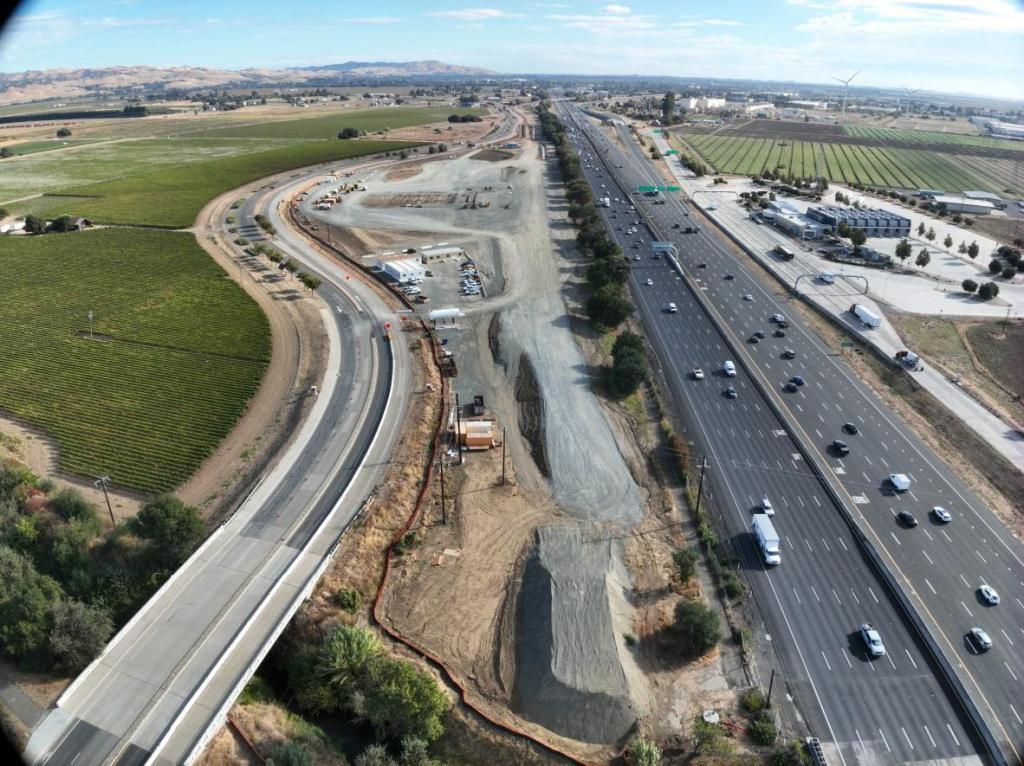
non-reality-based.…Building a new
freeway now, with what we know, is crossing the line from stupid to
evil, but as long as we believe electric cars will somehow transform
the whole system, we can pretend it’s sensible and realistic.…The one bright shining note in all this is that our capacity to
innovate and invent is now profoundly greater than it’s ever been. The
number of people working on envisioning practical, adaptive yet
transformative solutions to the problems of cities is mushrooming; and
many take for granted that they’ll have to work against the economic
grain. It’s thrilling to be even a small part of the brave, creative
work they’re doing.
Steffen doesn’t get into the specifics of that work in this post.
If you agree with him, let us know in the comments about any exemplary
efforts you’re aware of — people and institutions that are making
meaningful change happen. Because we could use a lift today.
More from around the network: Spacing
Toronto writes about a horrifying surge in pedestrian deaths in
Greater Toronto. The
Transport Politic posts on today’s highly anticipated announcement
of high-speed rail grants. And Honking
in Traffic takes a hard look at distracted riding, walking and
running.

Streetsblog has migrated to a new comment system. New commenters can register directly in the comments section of any article. Returning commenters: your previous comments and display name have been preserved, but you'll need to reclaim your account by clicking "Forgot your password?" on the sign-in form, entering your email, and following the verification link to set a new password — this is required because passwords could not be carried over during the migration. For questions, contact tips@streetsblog.org.