GOP ‘Streamlining’ Plan Threatens to Clear a Path for Highways and Pollution


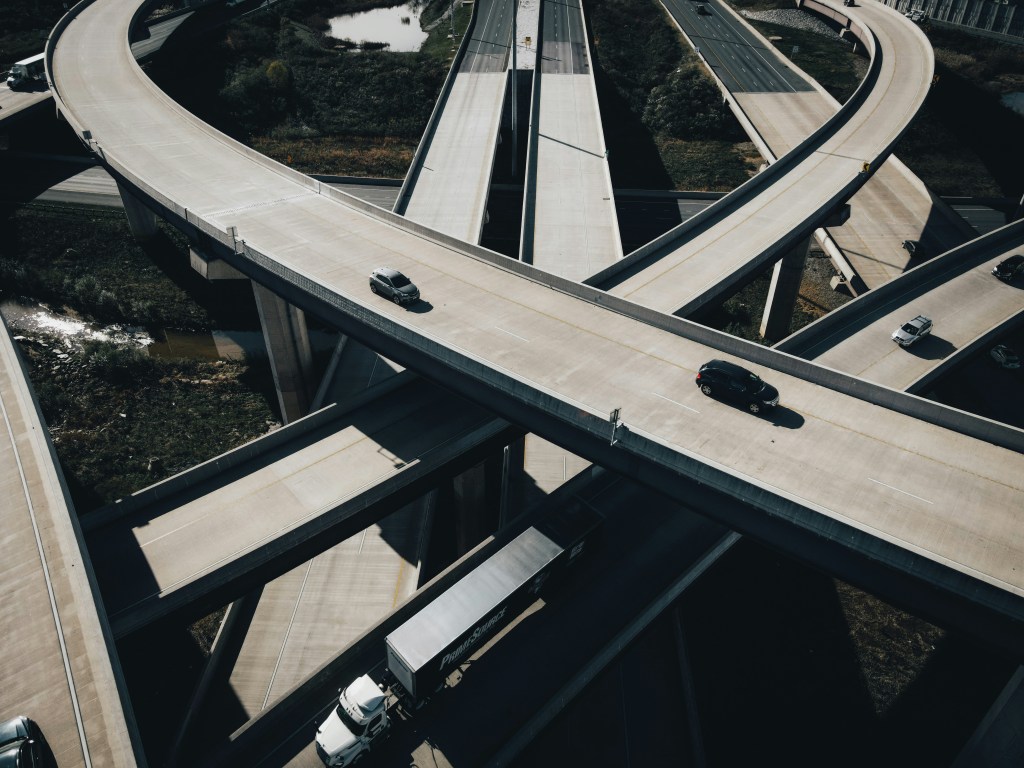
The summary of the House Transportation Committee’s reauthorization bill – no legislative text has been released yet – includes several provisions for “streamlining” project delivery. While on its face, a little streamlining could help reduce excessive delays and bring costs in line, environmentalists are concerned that underlying the “streamlining” provision is a desire to gut environmental review processes and stifle public input.
The Senate bill outline revealed today also addresses streamlining, but gives fewer details. It says that it will “reduce project delivery time and costs while protecting the environment” by using “innovative contracting methods; creating dispute resolution procedures; allowing for early right-of-way acquisitions; reducing bureaucratic hurdles for projects with no significant environmental impact; encouraging early coordination between relevant agencies to avoid delays later in the review process; and providing incentives for accelerating project delivery decisions within specified deadlines.”
The House bill, on its face, is far more obsessed with accelerating project delivery. Nearly every section of Committee Chair John Mica’s bill has a part about streamlining. He has a chart about how concurrent, not consecutive, project development phases can make a 15-year process into a 6-year process for completing a project.
Most projects don’t take 15 years under the current system – in this case, Mica is holding up an extreme and unusual example as the norm. There’s room for improvement in the current system, but perhaps not as much as Mica indicates.

Read More:
Streetsblog has migrated to a new comment system. New commenters can register directly in the comments section of any article. Returning commenters: your previous comments and display name have been preserved, but you'll need to reclaim your account by clicking "Forgot your password?" on the sign-in form, entering your email, and following the verification link to set a new password — this is required because passwords could not be carried over during the migration. For questions, contact tips@streetsblog.org.