You Can’t Have Family-Friendly Cities Without Kid-Friendly Streets

More American cities are making room for people to live in downtown areas — even smaller cities like Tucson, Cleveland and Fort Wayne, Indiana. But generally the target demographics are young singles and empty nesters. A lot of cities assume that all parents who can move to the suburbs will do so.
Writer Darin Givens, who lives with his wife and young children in downtown Atlanta, says it doesn’t need to be that way. There are now between 5,600 and 7,000 kids living in downtown Vancouver, he writes in a post at Medium. He explains how the city went about making a downtown that works for parents and kids:
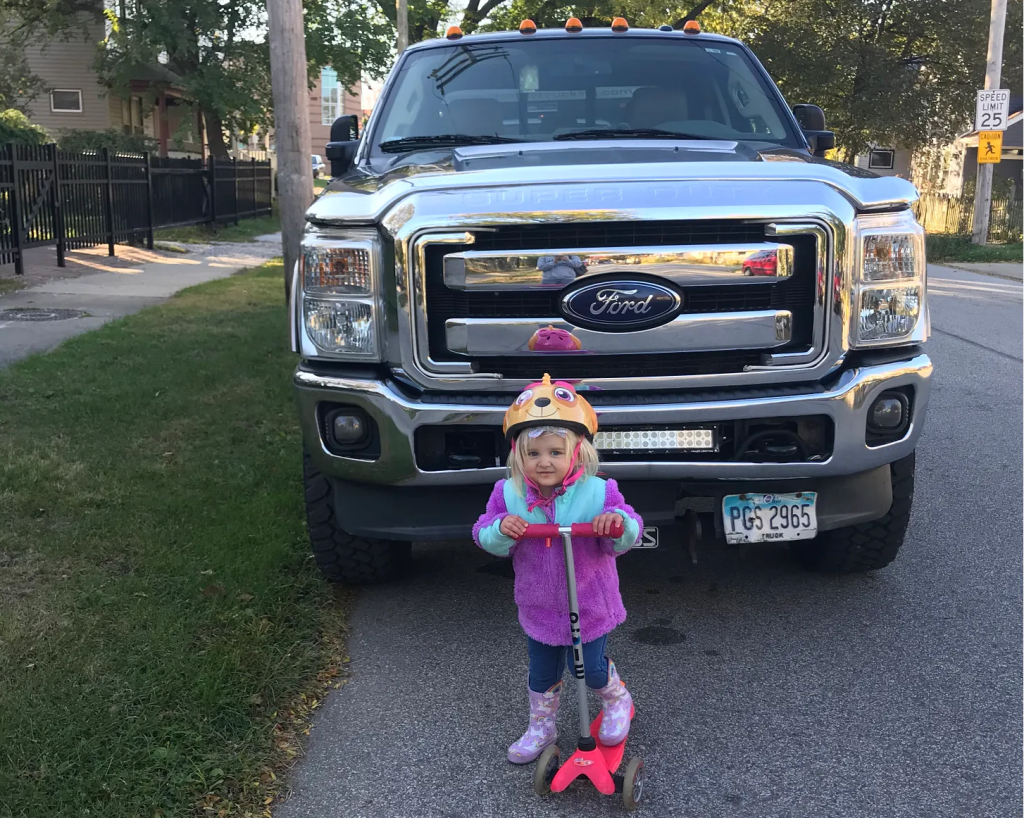
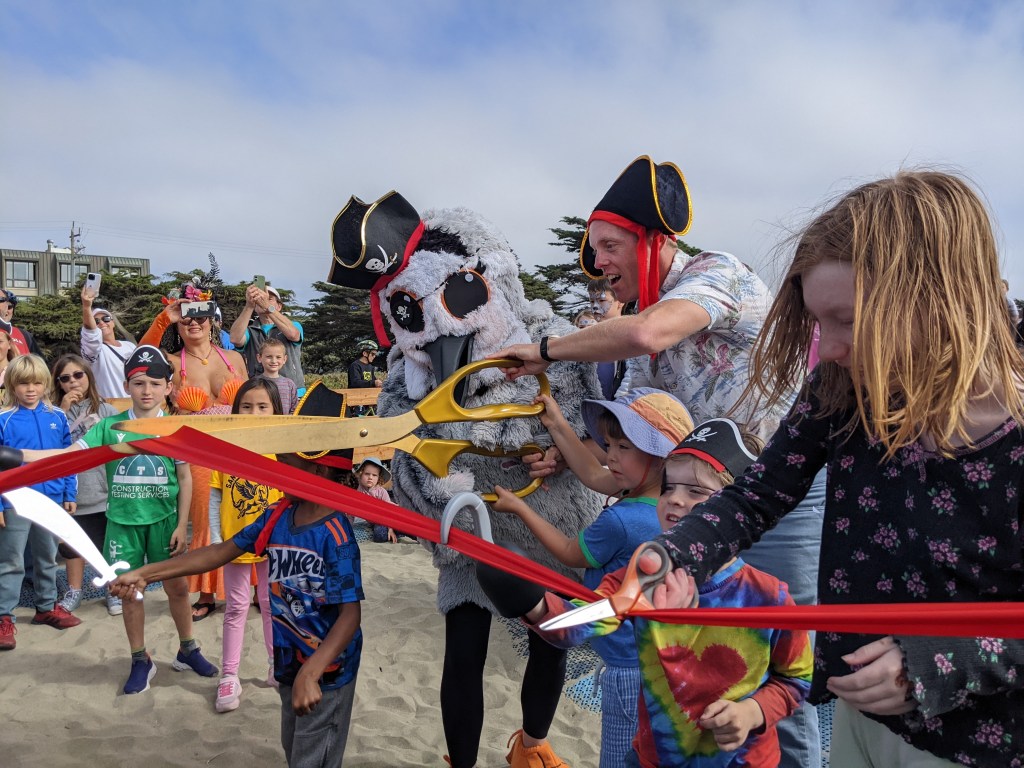
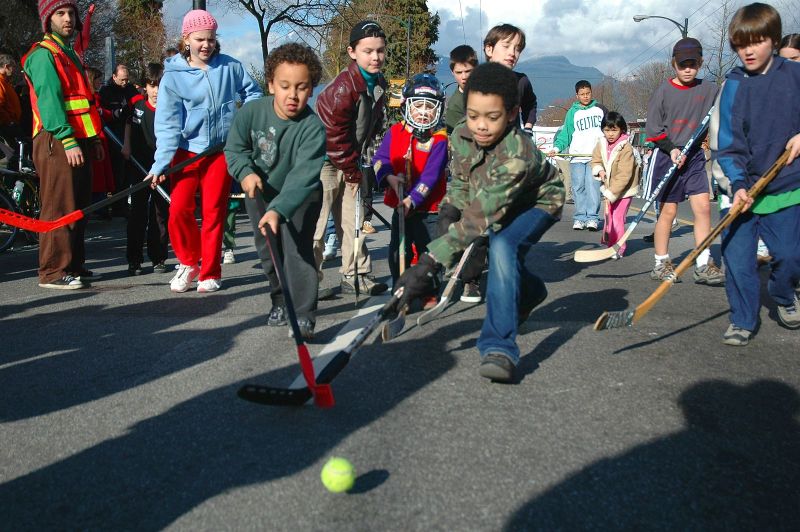
Vancouver’s Chief Planner from 2006 to 2012 says there are three elements of family-friendly city design that helped out: bigger housing, amenities for families, and a safe, welcoming public realm (emphasis ours).
As a Downtown Atlanta father of a school-aged kid, I can vouch for those ideas.
We picked the one spot where we could find one of the precious few spacious (by Downtown standards, not by suburban standards) apartments near public space and greenery. The neighborhood could use a lot more of those.
Safe and welcoming? Downtown Atlanta can stand to make some big improvements there.
The advice comes from a Brent Toderian interview at Vox that’s worth reading in full. But much of downtown Atlanta, where Givens lives, is dominated by parking lots — not the kind of amenities that attract families.
More recommended reading today: TransitCenter has an update on Denver’s renewed attention to improving bus service and walking access to transit. And Green Caltrain reports that Palo Alto is planning to hike commuter parking fees to fund transit and other service to reduce driving, but the price would still be far less than the price for equivalent transit passes.

Read More:
Streetsblog has migrated to a new comment system. New commenters can register directly in the comments section of any article. Returning commenters: your previous comments and display name have been preserved, but you'll need to reclaim your account by clicking "Forgot your password?" on the sign-in form, entering your email, and following the verification link to set a new password — this is required because passwords could not be carried over during the migration. For questions, contact tips@streetsblog.org.