Uber and Lyft Carrying More Trips Than Light Rail in Seattle

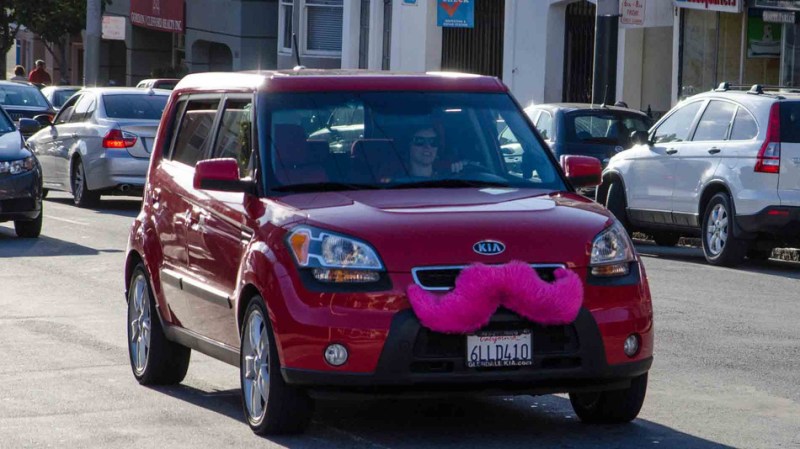
Uber and Lyft are subverting transit in Seattle, too.
The two app-based taxi services are carrying more trips per day than the region’s entire light rail system, according to David Gutman at the Seattle Times. During the fourth quarter of this year, Uber and Lyft handled a combined 91,000 trips on an average weekday in King County. Sound Transit’s 22-mile Link Light Rail, meanwhile, carries just around 80,000.
That might be acceptable if riders were coming overwhelmingly from areas poorly served by transit. But it turns out the opposite it true. About half the rides — 40,000 — start in downtown, Belltown, South Lake Union and Capitol Hill — some of Seattle’s densest and best-connected neighborhoods.
That means Uber and Lyft are almost certainly increasing congestion and hurting transit in Seattle. It’s a pattern well documented in New York City, too.
In Seattle, the ride-hailing ridership is growing quickly, Gutman reports. Uber and Lyft daily trips have increased five-fold in the region since just 2015, he reports.
Seattle, unlike many other regions, has managed to continue growing transit ridership thanks to strong investment. But in other regions, there is growing evidence that Uber and Lyft are worsening traffic congestion, hurting transit ridership and even increasing traffic deaths.
Even as we start to become increasingly aware of the negative impacts of ride-hailing, we haven’t had much raw data about the volume of service, because the companies withhold their data, claiming it is “proprietary.” But this data from Seattle shows it is staggering.
Uber and Lyft now account for about 1.5 percent of trips in Seattle — many, many times what taxis carried, according to an Uber spokesperson. Uber and Lyft have essentially made it much easier to travel by car in some of the most transit-friendly and congested areas of the country. People are taking advantage, with a slew of consequences, many of them negative.

Read More:
Streetsblog has migrated to a new comment system. New commenters can register directly in the comments section of any article. Returning commenters: your previous comments and display name have been preserved, but you'll need to reclaim your account by clicking "Forgot your password?" on the sign-in form, entering your email, and following the verification link to set a new password — this is required because passwords could not be carried over during the migration. For questions, contact tips@streetsblog.org.