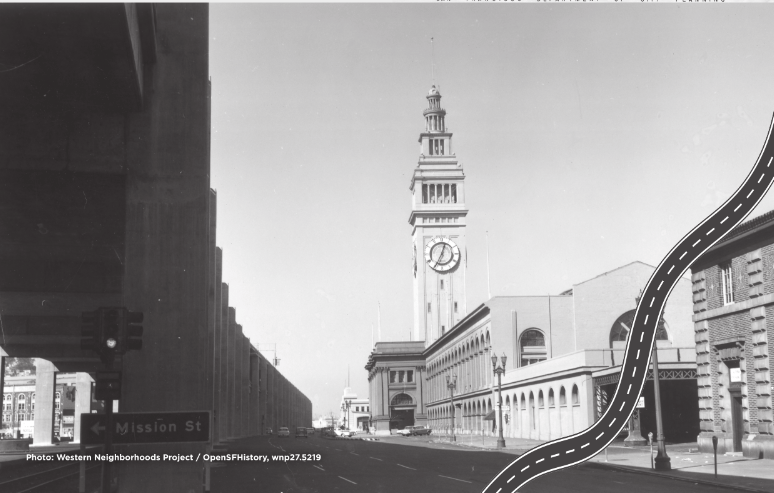
A CA Bill Would Double the Size of Highways 5 and 99, and Remove Speed Limits

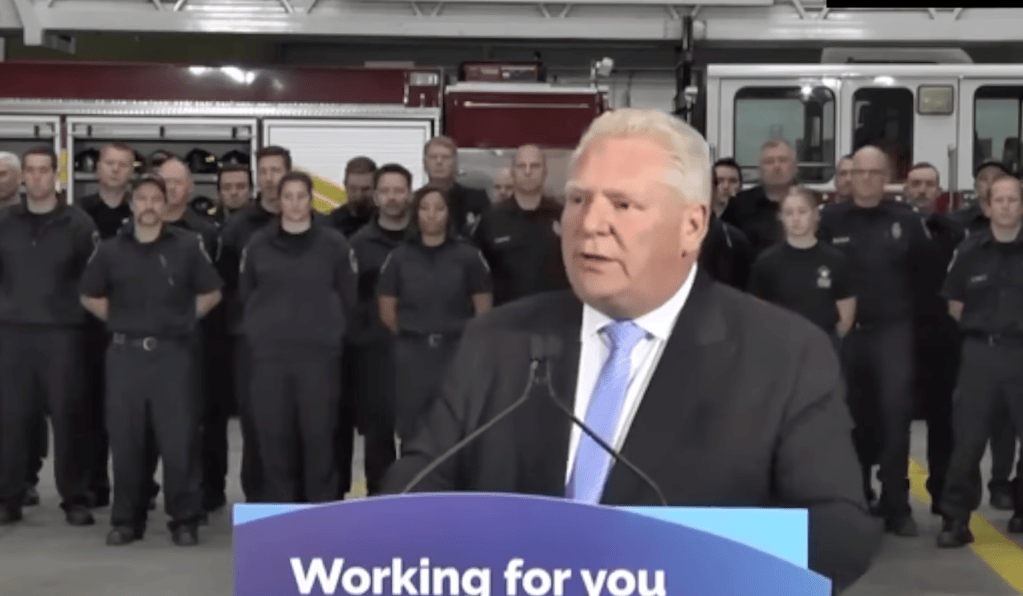
Senator John Moorlach, a Republican representing Orange County, has introduced a bill that shows he is either painfully uninformed or extremely cynical.
Moorlach wants to double the size of Highways 5 and 99 and remove speed limits. That will solve congestion, he says, and even–wait for it–reduce greenhouse gas emissions!
Most media coverage on Moorlach’s bill is focusing on the speed limit part, accepting without question the notion that widening the highways would be a solution to “traffic backups everywhere you turn.”
Moorlach, a staunch opponent of high-speed rail, thinks that his plan would not only allow cars to “burn the fuel more efficiently” but would even reduce crash rates. Never mind that France recently discovered that lower nationwide speed limits are leading to fewer traffic deaths.
But set aside the speed limit argument, which research keeps showing is not a good idea. Let’s look at the preposterous notion that increasing highway capacity can reduce idling and traffic congestion, and therefore greenhouse gas emissions.
Unfortunately, Moorlach is not alone in claiming that greenhouse gases come not so much from burning fossil fuels but from using them inefficiently–that is, when vehicles are stuck in stop-and-go traffic. Many projects that vied for funds under S.B. 1, the gas tax increase of 2017, made similarly ridiculous claims. For example, engineers working on the Southeast Connector, a new freeway/highway expansion through countryside in Sacramento, claimed that it would bring greenhouse gas emission benefits from “smoother traffic.” This pathetic justification is a very popular shade of lipstick among pigs these days.
Few seem to question this assertion. In fact, elected officials, transportation planners, and engineers keep repeating it, hoping it will help them get funding for highway expansions they claim will also help fight climate change.
Research has found that emission rates per mile vary with speed. Cars stopped in traffic can theoretically have very high emissions per mile, since they’re not moving. But the same research also found that vehicles traveling in excess of 60 mph also produce emissions at higher rates than more moderate speeds.
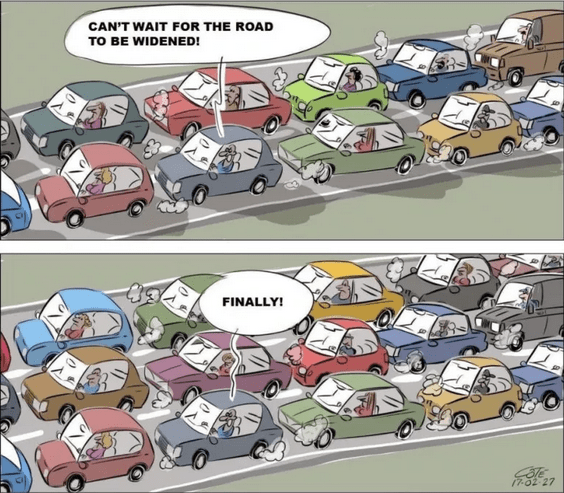
Relying on emissions reductions from eliminating congestion–by increasing capacity–won’t work, because increasing capacity has consistently been shown to increase driving. This not only eliminates any emission reduction gains, because more driving produces more emission, it also gets rid of whatever temporary traffic congestion relief may have come from having more lanes to drive in.
For a solid, in-person example of this well-researched phenomenon, see the expanded 405 Freeway through the westside of L.A. Or look here, under “Induced VMT from Highway Capacity,” for lots of academic sources.
The concept of “induced demand” is broadly accepted, except possibly by highway-building departments.
So: idling? Sure, it’s obnoxious, and wasteful, and the emissions from it are terrible. But the solution is not to give all the cars already on the road extra room and tell them to go as fast as they want.
Maybe Senator Moorlach is tired of his long commute between Sacramento and his district in Orange County, and wants to drive as fast as he can to get it over with. But his idea really stinks.
Doubling the size of two giant highways crossing the state would undermine every other state effort, large and small, to reduce greenhouse gas emissions. Then there’s the financial costs of building and maintaining that much highway, and the climate costs of construction and operation.
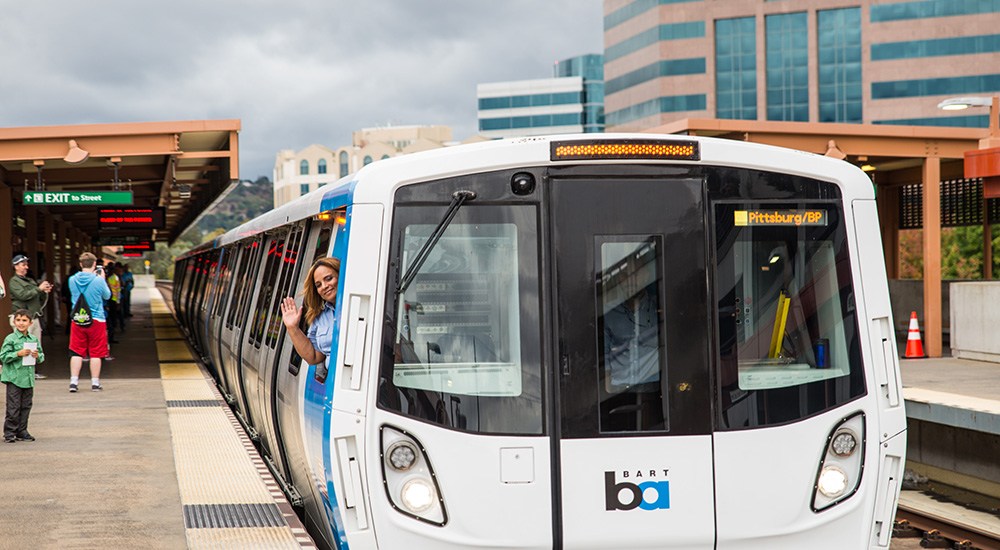
If Moorlach is really concerned about climate change and congestion, then maybe he should consider supporting an increase in the state’s rail capacity.
Senator Moorlach’s bill is not likely to get very far, but his damaging assertion about greenhouse gas emissions resulting from congestion might fall on receptive ears.

Read More:
Streetsblog has migrated to a new comment system. New commenters can register directly in the comments section of any article. Returning commenters: your previous comments and display name have been preserved, but you'll need to reclaim your account by clicking "Forgot your password?" on the sign-in form, entering your email, and following the verification link to set a new password — this is required because passwords could not be carried over during the migration. For questions, contact tips@streetsblog.org.