City Releases ‘Go Boston 2030’ Progress Report

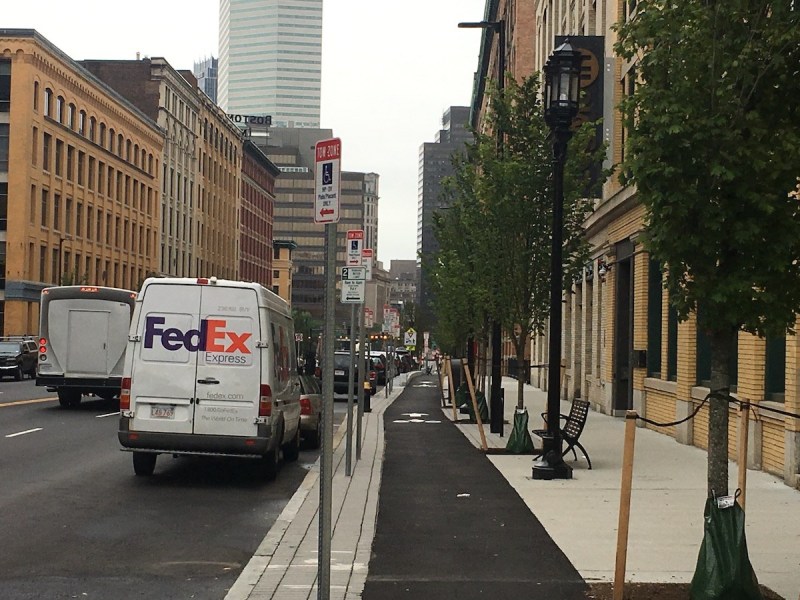
The City of Boston has released a progress report on its Go Boston 2030 plan, the city’s action plan for expanding safer and more sustainable mobility options, and claims that over two dozen projects and policies from the plan are either in design or implementation.
Go Boston 2030 was released in March 2017 and set a goal of reducing the number of car trips in the city by half by investing in safer streets and major upgrades to the city’s transit system. The Walsh administration recently reaffirmed its goals as a key component of the city’s Climate Action Plan.
In a press release, the city claims that, of the 58 projects and policies recommended in the Go Boston 2030 plan, “21 projects are already in implementation and another 17 are in design.”
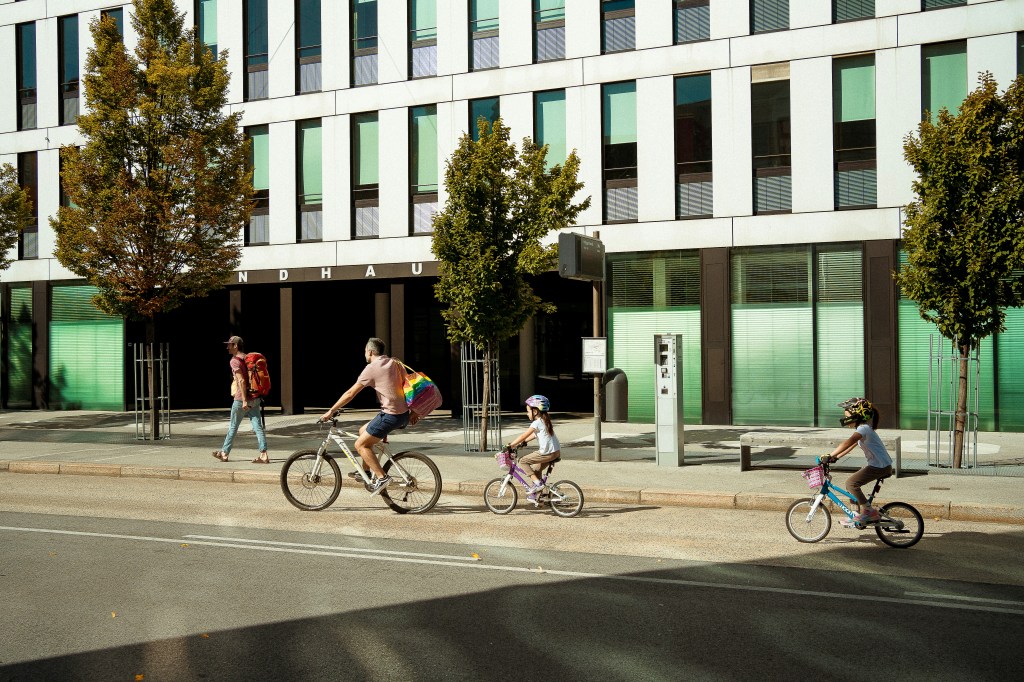
Projects in the implementation phase include Blue Bikes station expansions, new “neighborhood slow streets” zones, new bus lanes, and an expanded protected bike lane network with new lanes installed on Summer Street in the Seaport, Commonwealth Avenue, and Beacon Street in the Back Bay neighborhood.
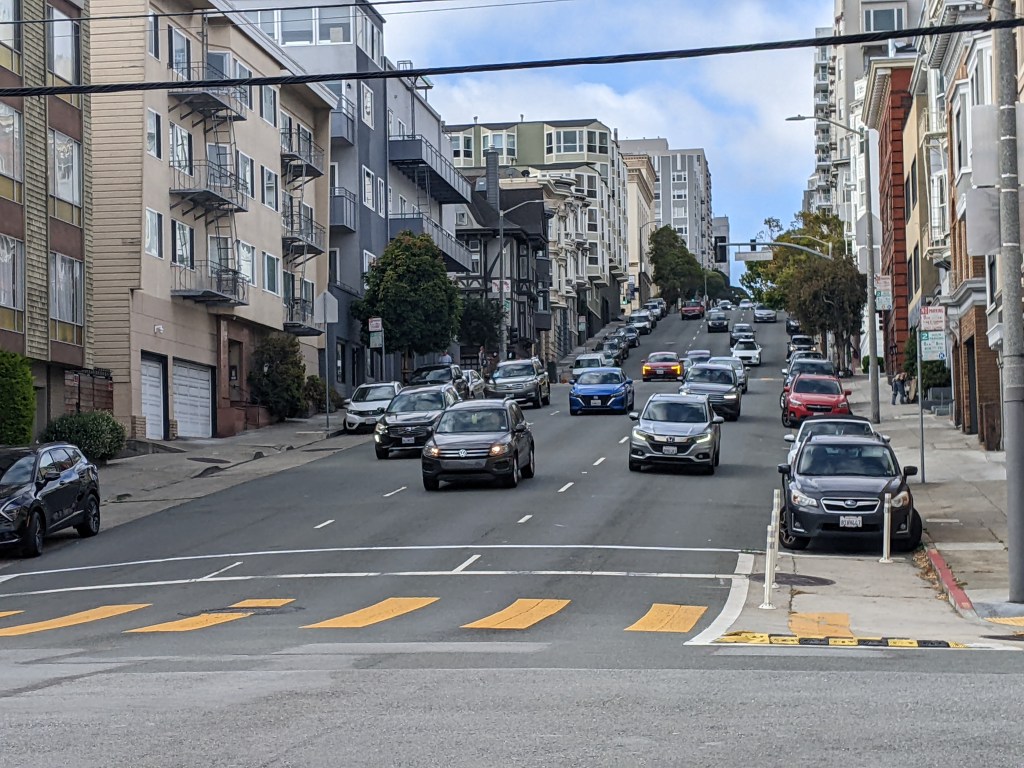
Unfortunately, the city’s report reveals no progress so far towards one of the primary goals of the Go Boston 2030 plan: reducing the amount of car traffic in the city.
According to U.S. Census Bureau surveys, the proportion of drive-alone commuting in the city has held steady since Go Boston 2030 was implemented, and the total number of miles traveled by motor vehicles in Boston has been trending upwards, partly due to the significant increase in traffic from companies like Lyft and Uber.
Those trends suggest that the city will need to complete more projects more quickly in order to meet its climate goals within the next decade. Sustainable transportation advocates, who hailed the Go Boston 2030 plan when it was released, are now working to make sure it remains a priority for the city.
At its Wednesday meeting, the Boston City Council received notice of a $300,000 grant offer from the Barr Foundation to “fund transparent communication, tracking, and evaluation” of the city’s progress in implementing the Go Boston 2030 plan (editor’s note: the Barr Foundation is also a major funder of StreetsblogMASS).
The LivableStreets Alliance, which has been working to build grassroots support for individual Go Boston 2030 projects, has been preparing its own progress report on the Go Boston 2030 plan.
“It’s great to see this status update, and this kind of update will be a great tool to help make sure people are invested in the plan and its implementation,” said Louisa Gag, the public policy manager for LivableStreets in a phone interview on Friday. “We think it’s a great first step for accountability and making sure that the plan remains relevant.”

Streetsblog has migrated to a new comment system. New commenters can register directly in the comments section of any article. Returning commenters: your previous comments and display name have been preserved, but you'll need to reclaim your account by clicking "Forgot your password?" on the sign-in form, entering your email, and following the verification link to set a new password — this is required because passwords could not be carried over during the migration. For questions, contact tips@streetsblog.org.